The Treaty of San Francisco: September 8, 1951
1951 · San Francisco, United States
The Treaty of San Francisco is signed by 48 nations, officially ending the state of war between Japan and the Allied Powers.
April 28, 1952
The Treaty of San Francisco came into effect, officially ending the state of war between Japan and the Allied Powers, and restoring Japan's sovereignty after World War II.
San Francisco, United States | Allied Powers
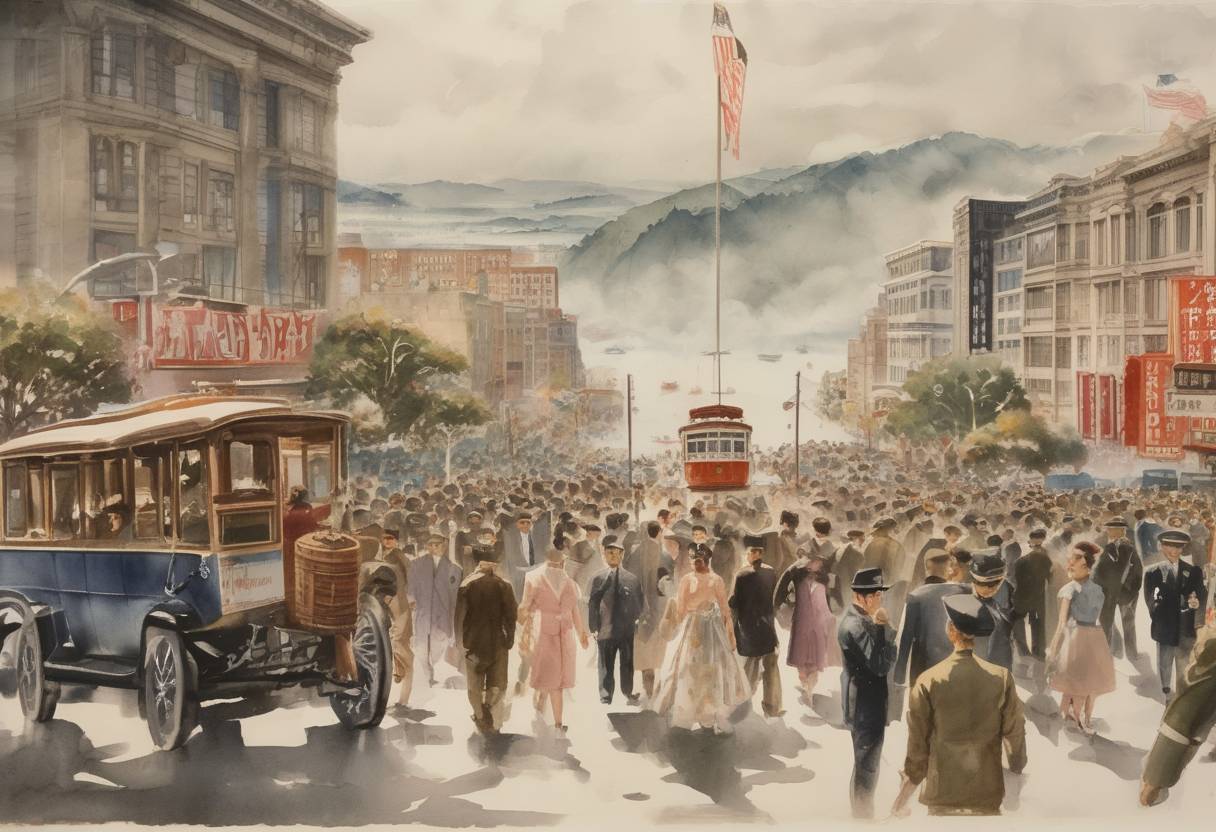
On April 28, 1952, the Treaty of San Francisco came into effect, officially ending the state of war between Japan and the Allied Powers. This significant event marked the restoration of Japan’s sovereignty following World War II and laid the groundwork for Japan’s post-war recovery and reintegration into the international community.
World War II Aftermath: Following Japan’s surrender on September 2, 1945, the country was placed under Allied occupation, primarily led by the United States. The occupation aimed to demilitarize and democratize Japan, leading to significant political, economic, and social reforms.
Drafting the Treaty: The Treaty of San Francisco, also known as the Treaty of Peace with Japan, was drafted to formally conclude the state of war and establish peace. Negotiations involved 48 Allied nations, with the Soviet Union, Poland, and Czechoslovakia notably abstaining from signing.
Signing Ceremony: The treaty was signed on September 8, 1951, at the War Memorial Opera House in San Francisco, California. It was a pivotal moment in post-war diplomacy, symbolizing a new chapter for Japan and its relationship with the world.
Sovereignty Restoration: The treaty restored full sovereignty to Japan, ending the Allied occupation that had begun in 1945.
Territorial Adjustments: Japan renounced claims to Korea, Taiwan, the Kuril Islands, and other territories acquired during its imperial expansion.
War Reparations and Compensation: Japan agreed to compensate Allied nations and individuals affected by its wartime actions, though specific terms varied by country.
Security Arrangements: Concurrently, Japan signed the U.S.-Japan Security Treaty, allowing U.S. military presence in Japan, which played a crucial role in regional security during the Cold War.
Economic Recovery: The treaty facilitated Japan’s rapid economic recovery and growth, often referred to as the “Japanese economic miracle,” transforming it into a major global economic power.
International Relations: Japan’s reintegration into the international community was marked by its entry into the United Nations in 1956 and its active participation in global economic and political affairs.
Legacy: The Treaty of San Francisco remains a cornerstone of Japan’s post-war identity, symbolizing its commitment to peace and cooperation. It also set a precedent for post-conflict reconciliation and rebuilding.
In conclusion, the Treaty of San Francisco was a landmark event in 20th-century history, shaping the trajectory of Japan and the broader Asia-Pacific region in the decades that followed.
Source: en.wikipedia.org