Renaming of Kazakhstan’s Capital: Astana to Nur-Sultan
On March 21, 2019, Kazakhstan’s capital city, Astana, was officially renamed Nur-Sultan in honor of the country’s first President, Nursultan Nazarbayev. This decision marked a significant moment in Kazakhstan’s political and cultural history, reflecting the influence and legacy of Nazarbayev, who had been a central figure in the nation’s development since its independence from the Soviet Union in 1991.
Context and Background
Nursultan Nazarbayev’s Presidency: Nursultan Nazarbayev served as the President of Kazakhstan from its independence in 1991 until his resignation on March 19, 2019. His tenure was marked by efforts to stabilize and modernize the country, fostering economic growth and maintaining a balanced foreign policy.
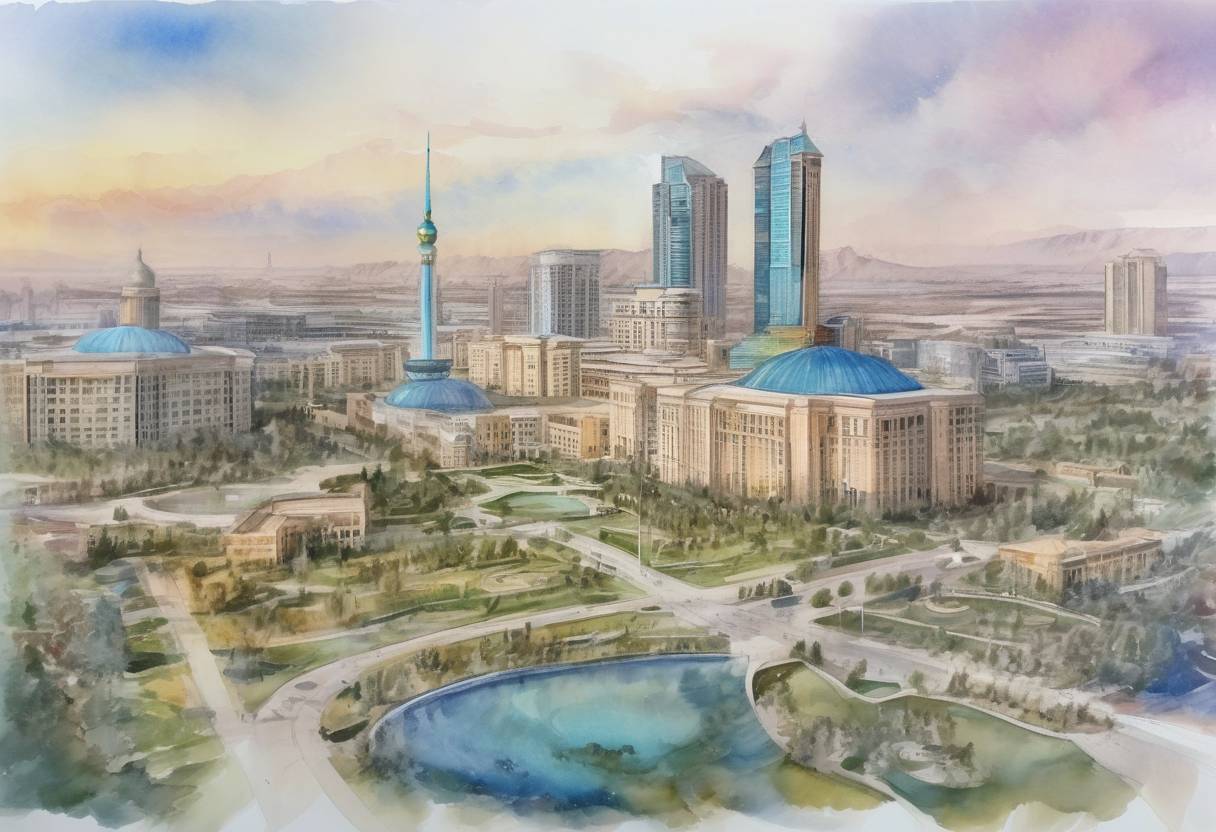
Astana’s Development: Originally named Akmolinsk, the city underwent several name changes before becoming Astana in 1998. Under Nazarbayev’s leadership, Astana was transformed into a modern capital, showcasing futuristic architecture and becoming a symbol of Kazakhstan’s ambitions on the global stage.
The Renaming Process
Resignation and Transition: Nazarbayev’s unexpected resignation in March 2019 led to the appointment of Kassym-Jomart Tokayev as interim president. Tokayev proposed the renaming of the capital to honor Nazarbayev’s contributions to the nation.
Legislative Approval: The proposal was swiftly approved by Kazakhstan’s parliament, reflecting the political influence Nazarbayev continued to wield even after stepping down from the presidency.
Significance and Reactions
Symbolic Gesture: Renaming the capital to Nur-Sultan was seen as a symbolic gesture to cement Nazarbayev’s legacy. It underscored his role in shaping modern Kazakhstan and highlighted the centralized nature of political power in the country.
Public and International Response: The decision received mixed reactions. Supporters viewed it as a fitting tribute to a leader who had guided Kazakhstan through significant transformations. Critics, however, saw it as an example of excessive personalization of power and a lack of democratic processes.
Aftermath and Legacy
Continued Influence: Despite resigning, Nazarbayev retained significant influence as the Chairman of the Security Council and the leader of the ruling Nur Otan party. The renaming of the capital reinforced his enduring presence in Kazakhstan’s political landscape.
Cultural and Political Impact: The renaming of Astana to Nur-Sultan is a testament to the complex interplay of politics, culture, and identity in Kazakhstan. It reflects the challenges of balancing modernization with the legacy of long-standing leadership.
In summary, the renaming of Kazakhstan’s capital from Astana to Nur-Sultan on March 21, 2019, was a pivotal event that highlighted the enduring influence of Nursultan Nazarbayev and the dynamics of political power in Kazakhstan.