Eisenhower Sends Federal Troops to Little Rock: September 24, 1957
1957 · Little Rock, United States
U.S. President Dwight D. Eisenhower sent federal troops to Little Rock, Arkansas, to enforce school desegregation at Central High School.
September 25, 1957
Central High School in Little Rock, Arkansas, was integrated following the intervention of federal troops. This event was a significant moment in the American Civil Rights Movement, highlighting the federal government's role in enforcing desegregation.
Little Rock, United States | United States Army
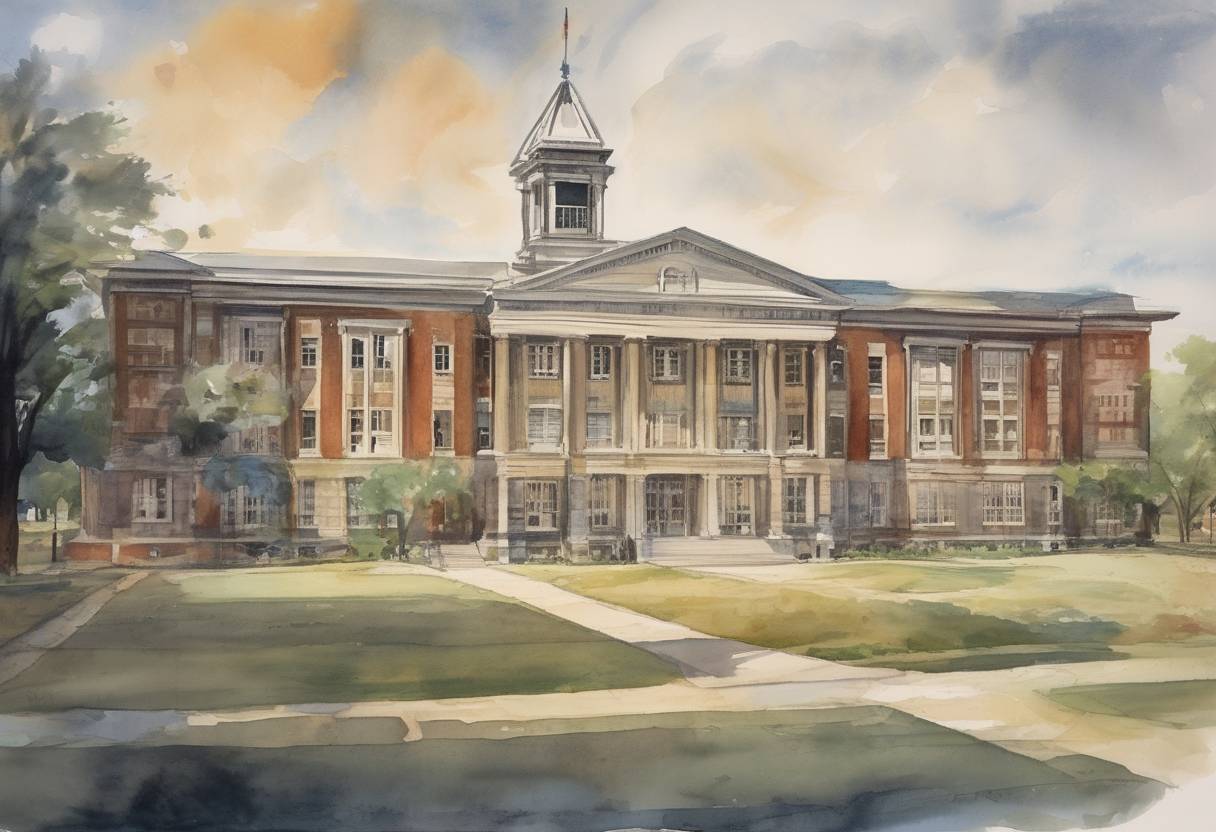
On September 25, 1957, a pivotal event in the American Civil Rights Movement unfolded as Central High School in Little Rock, Arkansas, was integrated under the protection of federal troops. This moment marked a significant assertion of federal authority in enforcing desegregation, following the landmark Supreme Court decision in Brown v. Board of Education (1954), which declared racial segregation in public schools unconstitutional.
Brown v. Board of Education (1954): The Supreme Court’s decision mandated the desegregation of public schools across the United States. However, resistance, particularly in the Southern states, was widespread and often vehement.
Resistance in Arkansas: Arkansas Governor Orval Faubus was a staunch opponent of desegregation. In September 1957, he deployed the Arkansas National Guard to prevent nine African American students, later known as the “Little Rock Nine,” from entering Central High School.
September 4, 1957: The Little Rock Nine attempted to enter Central High School but were blocked by the National Guard under orders from Governor Faubus. This action drew national attention and highlighted the intense opposition to desegregation.
Federal Intervention: President Dwight D. Eisenhower, recognizing the challenge to federal authority and the potential for violence, intervened. On September 23, after negotiations failed, he federalized the Arkansas National Guard and sent in the 101st Airborne Division to ensure the students’ safe entry into the school.
The Little Rock Nine: Under the protection of federal troops, the nine African American students entered Central High School on September 25, 1957. This marked the first time since the Reconstruction era that federal troops were used to uphold African American civil rights.
Significance: The event underscored the federal government’s commitment to enforcing the Supreme Court’s desegregation rulings. It also highlighted the deep-seated resistance to integration and the challenges faced by African Americans in the struggle for civil rights.
Continued Resistance: Despite the successful integration, the Little Rock Nine faced ongoing harassment and discrimination throughout the school year. The event also galvanized the Civil Rights Movement, drawing attention to the need for further federal civil rights legislation.
Legacy: The integration of Central High School became a symbol of the struggle for civil rights and the federal government’s role in enforcing constitutional rights. It set a precedent for future actions to dismantle segregation across the United States.
The events at Central High School in Little Rock remain a powerful reminder of the challenges and triumphs in the fight for equality and justice in American history.
Source: en.wikipedia.org