Chemical Attack in Douma, Syria - April 7, 2018
2018 · Douma, Syria
A suspected chemical attack occurred in Douma, Syria, leading to international condemnation and subsequent military responses from Western nations.
April 4, 2017
A chemical attack occurred in Khan Shaykhun, Syria, killing at least 89 people and leading to international condemnation and U.S. missile strikes on a Syrian airbase.
Khan Shaykhun, Syria | Syrian government
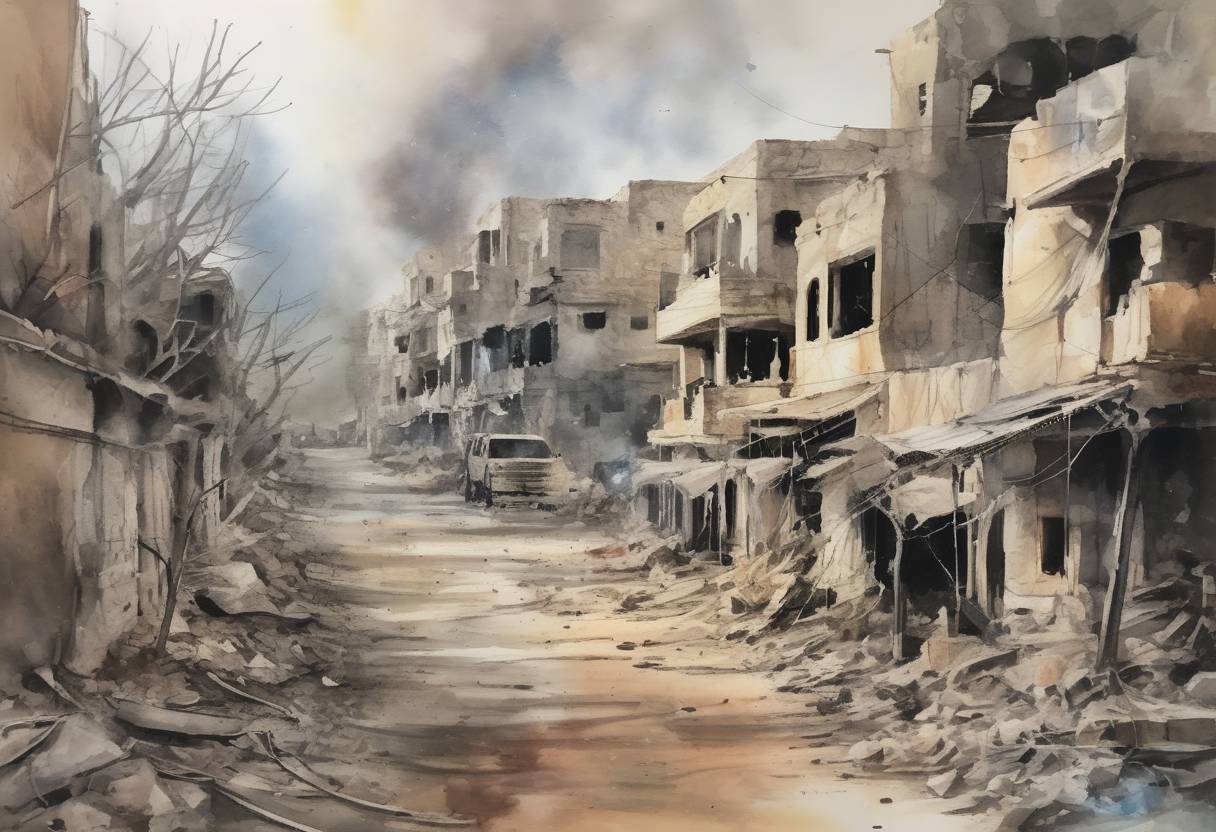
On April 4, 2017, a devastating chemical attack occurred in the town of Khan Shaykhun, located in the Idlib Governorate of Syria. This tragic event resulted in the deaths of at least 89 people, including many children, and injured hundreds more. The attack drew widespread international condemnation and had significant geopolitical repercussions.
The Syrian Civil War, which began in 2011, had already seen numerous atrocities and the use of chemical weapons despite international prohibitions. The conflict involved multiple factions, including the Syrian government led by President Bashar al-Assad, various rebel groups, and extremist organizations like ISIS. The use of chemical weapons had been a contentious issue, with previous attacks leading to international outrage and diplomatic efforts to dismantle Syria’s chemical arsenal.
The attack was met with swift condemnation from around the world:
The Khan Shaykhun chemical attack underscored the persistent challenges in enforcing international norms against chemical weapons use. It highlighted the complexities of the Syrian conflict and the difficulties faced by the international community in addressing war crimes and achieving a lasting resolution to the conflict. The event remains a poignant reminder of the human cost of warfare and the importance of international cooperation in upholding humanitarian principles.
Source: www.bbc.com