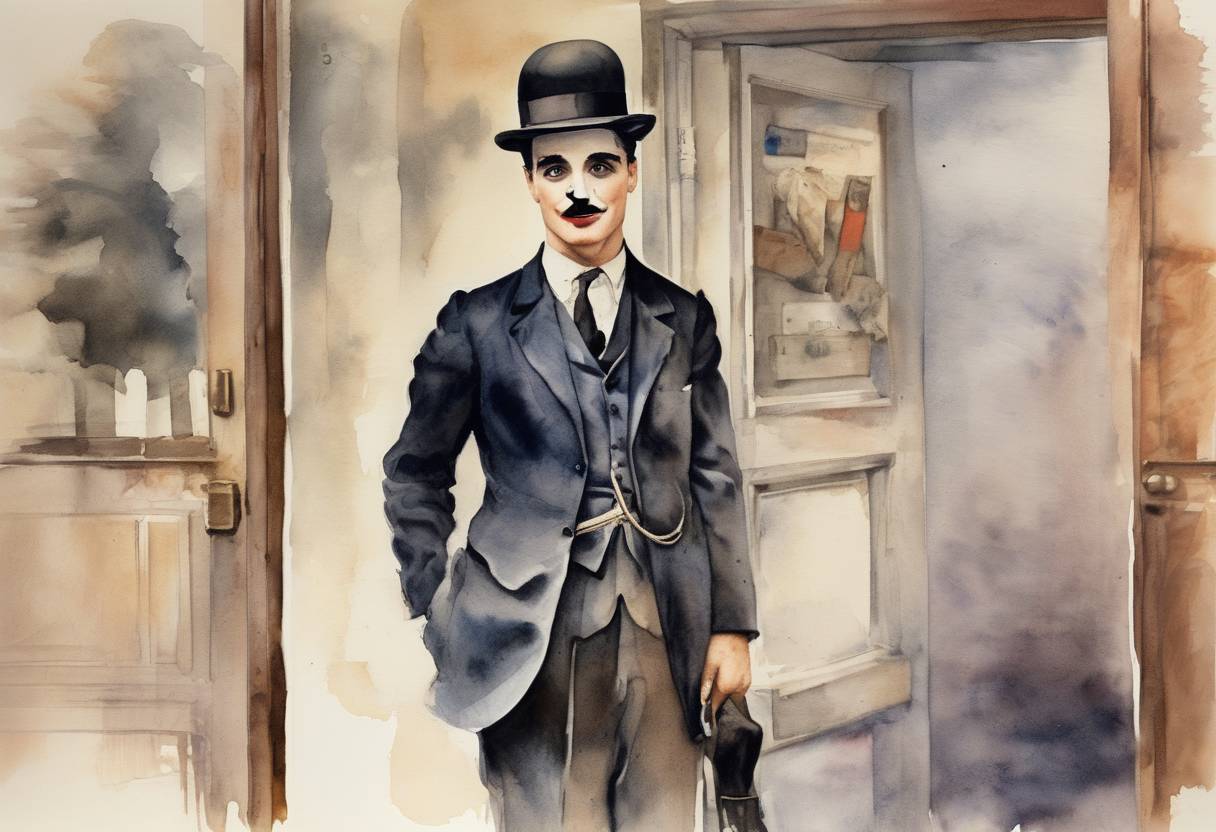
Charlie Chaplin Barred from Re-entering the United States
On September 19, 1952, the United States government barred the iconic film actor and director Charlie Chaplin from re-entering the country after a trip to England. This decision was rooted in the political climate of the time, particularly the Red Scare, which was characterized by heightened fears of communist influence and infiltration in American society.
Context and Background
The Red Scare: The period following World War II saw the rise of the Cold War, leading to widespread fear of communism in the United States. This era, known as the Red Scare, was marked by aggressive investigations and accusations aimed at rooting out communist sympathizers.
House Un-American Activities Committee (HUAC): The HUAC played a significant role in investigating alleged communist activities. Many individuals in the entertainment industry were scrutinized, leading to blacklisting and career damage for those suspected of communist ties.
Charlie Chaplin’s Political Views: Chaplin, a British citizen, was known for his progressive views and criticism of capitalism, which were evident in films like “Modern Times” and “The Great Dictator.” His political stance, combined with his refusal to become a U.S. citizen, made him a target during the Red Scare.
Key Events Leading to the Ban
Chaplin’s Trip to England: In September 1952, Chaplin traveled to England for the premiere of his film “Limelight.” During this trip, the U.S. Attorney General’s office revoked his re-entry permit, effectively barring him from returning to the United States.
Accusations and Allegations: The U.S. government cited Chaplin’s alleged communist sympathies and moral character as reasons for the ban. Although he was never a member of the Communist Party, his association with leftist causes and outspoken political views made him a suspect in the eyes of U.S. authorities.
Aftermath and Consequences
Exile and Life in Europe: Following the ban, Chaplin chose to settle in Switzerland, where he lived for the remainder of his life. He continued to make films, though his output decreased significantly compared to his earlier prolific career.
Impact on Chaplin’s Career: The ban marked a significant turning point in Chaplin’s career. While he remained a respected figure in the film industry, his influence waned as he was distanced from Hollywood.
Legacy and Rehabilitation: In 1972, Chaplin returned to the United States to receive an honorary Academy Award, signaling a softening of attitudes towards him. This event marked a symbolic rehabilitation of his reputation in America.
Broader Historical Significance
The barring of Charlie Chaplin from the United States highlights the intense paranoia and political repression of the Red Scare era. It serves as a reminder of the impact of political ideology on personal freedoms and artistic expression during this tumultuous period in American history.