The Fall of the Berlin Wall: November 9, 1989
1989 · Berlin, Germany
The Berlin Wall fell, marking a pivotal moment in the collapse of communist regimes in Eastern Europe and symbolizing the end of the Cold War.
August 16, 1962
Peter Fechter is shot and killed trying to cross the Berlin Wall.
Berlin, Germany | East German Border Guards
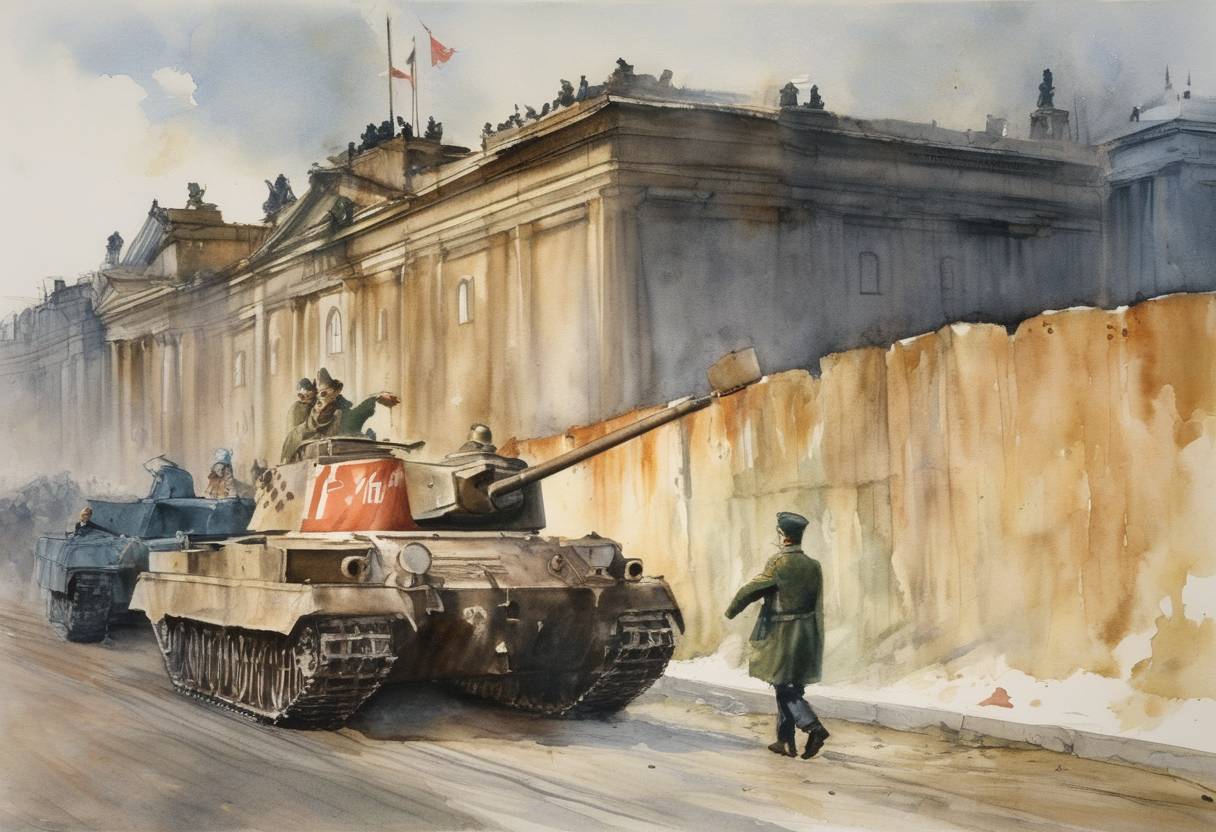
On August 17, 1962, Peter Fechter, an 18-year-old East German bricklayer, was shot and killed while attempting to escape East Berlin by crossing the Berlin Wall. His death became one of the most poignant symbols of the human cost of the Cold War and the division of Germany.
The Berlin Wall had been constructed nearly a year earlier, on August 13, 1961, by the German Democratic Republic (East Germany) to stem the tide of defections to the West through Berlin. The wall became not only a physical barrier but also a symbolic divide between the communist Eastern Bloc and the western democracies led by the United States.
Fechter, along with his friend Helmut Kulbeik, attempted to flee from East Berlin to West Berlin near Checkpoint Charlie, one of the most famous border crossings of the Berlin Wall. As they made their dash across the “death strip” separating East and West, East German border guards opened fire.
Kulbeik succeeded in reaching West Berlin, but Fechter was struck by gunfire and fell within the boundary of the death strip, a short distance from the Western side. For nearly an hour, he lay bleeding and crying for help while neither side intervened. East German guards did not assist, and West Berlin police were unable to reach him due to fear of sparking wider conflict. Fechter eventually succumbed to his injuries, dying where he fell.
The incident drew international attention and outrage. Horrified West Berliners gathered at the wall, shouting insults at the East German guards and demonstrating their anger and frustration. Fechter’s death heightened the tensions of the Cold War and underscored the brutal realities of the division of Berlin.
Years later, in 1997, two former East German border guards were tried and convicted for their roles in Fechter’s death, marking one of several trials addressing crimes committed by the German Democratic Republic.
The image of Peter Fechter’s body and his cries for help became a critical propaganda tool highlighting the desperation and inhumanity of the East German regime. His death symbolized the struggle for freedom and human rights within the Cold War context and remains a powerful reminder of the human impact of political divisions.
Today, memorials stand in his honor in Berlin, serving as a poignant reminder of the lives lost due to the ideological rifts of the 20th century.
Source: en.wikipedia.org