January 11, 2020: First Reported Death from COVID-19 in Wuhan, China
2020 · Wuhan, China
China reports its first death from a new coronavirus, later identified as COVID-19, in Wuhan, marking the beginning of a global pandemic.
August 7, 2018
The Mojiang mine event paper, which speculated that the coronavirus was linked to a 2012 outbreak among miners in a Mojiang mine, was discussed, sparking debates about COVID-19's possible origins.
Mojiang, China | Wuhan Institute of Virology
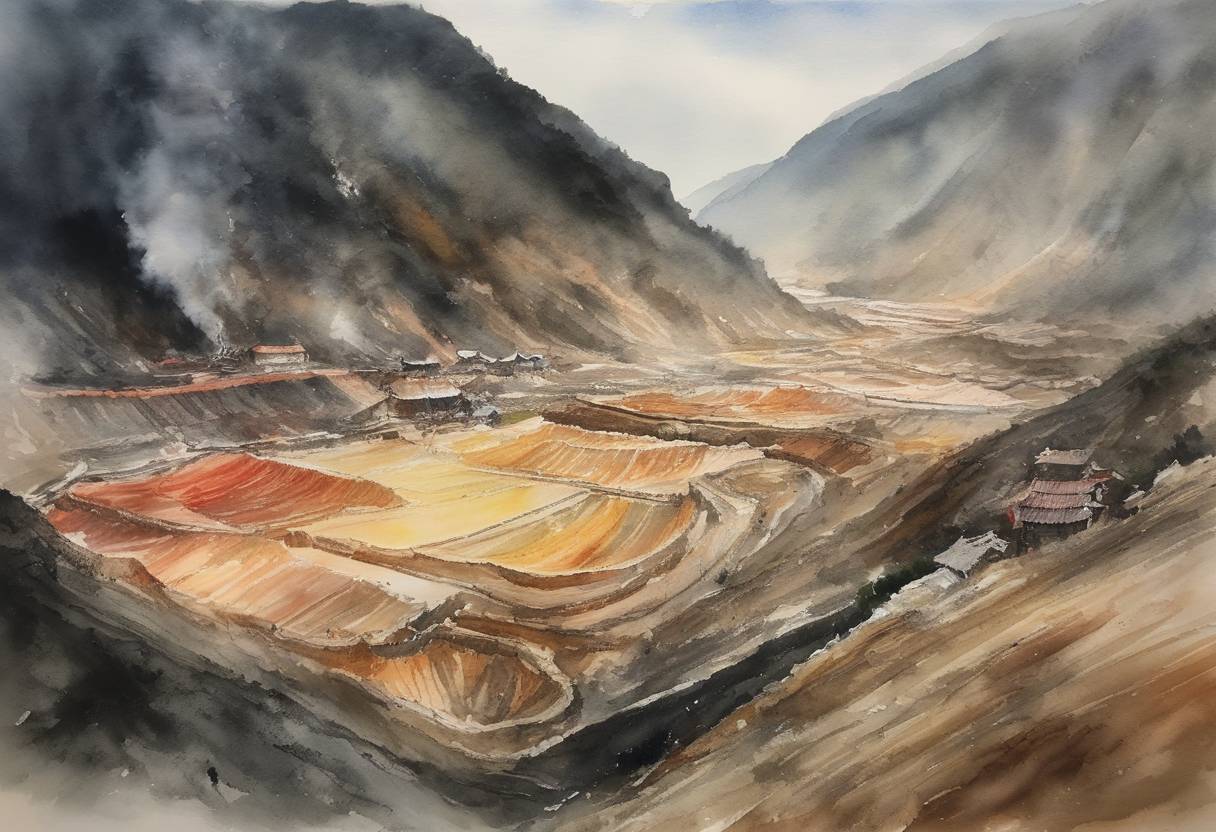
On August 7, 2018, discussions arose regarding a 2012 outbreak in a Mojiang mine, which some speculated might be linked to the origins of the coronavirus (specifically SARS-CoV-2, responsible for COVID-19). This discussion was catalyzed by inquiries into the origins of the COVID-19 pandemic, leading researchers to retrospectively examine past outbreaks involving coronaviruses.
In April 2012, six miners were reported to have contracted a severe pneumonia-like illness after working in a bat-infested copper mine in Mojiang, Yunnan Province, China. Three of the miners succumbed to their illness. The symptoms presented were similar to those caused by coronaviruses, raising questions about potential earlier human exposure to closely related pathogens.
Chinese researchers investigated the outbreak at the time, identifying a range of coronavirus strains present in bats inhabiting the caves surrounding the mine. These included strains that were closely related to known coronaviruses but distinct from SARS-CoV, the virus responsible for the SARS outbreak in 2003.
The reexamination of this event in 2018, particularly through scientific and academic discussions, speculated on whether the pathogens found in the Mojiang mine harbored potential precursors to SARS-CoV-2.
Natural Reservoir: Bats are considered natural hosts for many coronaviruses. The proximity of the 2012 incident to later findings in Wuhan laboratories prompted questions on the natural versus laboratory origins of SARS-CoV-2.
Epidemiological Evidence: The miners’ symptoms in 2012 prompted evaluations in light of COVID-19’s effects, drawing parallels in symptoms and progression, though definitive links to SARS-CoV-2 remained speculative.
Research Transparency: The Mojiang incident highlighted the importance of transparency and international cooperation in researching zoonotic diseases, especially given the pandemic implications.
While the August 7 discussions in 2018 did not directly result in conclusive evidence tying the Mojiang incident to COVID-19, they contributed to a broader conversation about pathogen surveillance, virus evolution, and pandemic preparedness. Ongoing research and analyses have fueled a wide spectrum of scientific inquiry and debate regarding zoonotic spillovers and the origin of pandemics.
These discussions underscore the complexity of tracing viral lineages and their emergence as global health threats. Additionally, they reinforce the vital need for rigorous, transparent scientific processes in understanding and mitigating pandemic risks.
Source: www.scientificamerican.com