The Attack on Baga by Boko Haram - January 5, 2015
2015 · Baga, Nigeria
The Nigerian town of Baga was attacked by Boko Haram, resulting in a large number of casualties and displacements.
January 23, 2012
A series of coordinated bomb attacks in Kano, Nigeria, claimed by the Islamist militant group Boko Haram, resulted in over 185 deaths. This marked one of the deadliest attacks attributed to Boko Haram at the time, highlighting the escalating violence and challenges in combating terrorism in Nigeria.
Kano, Nigeria | Boko Haram
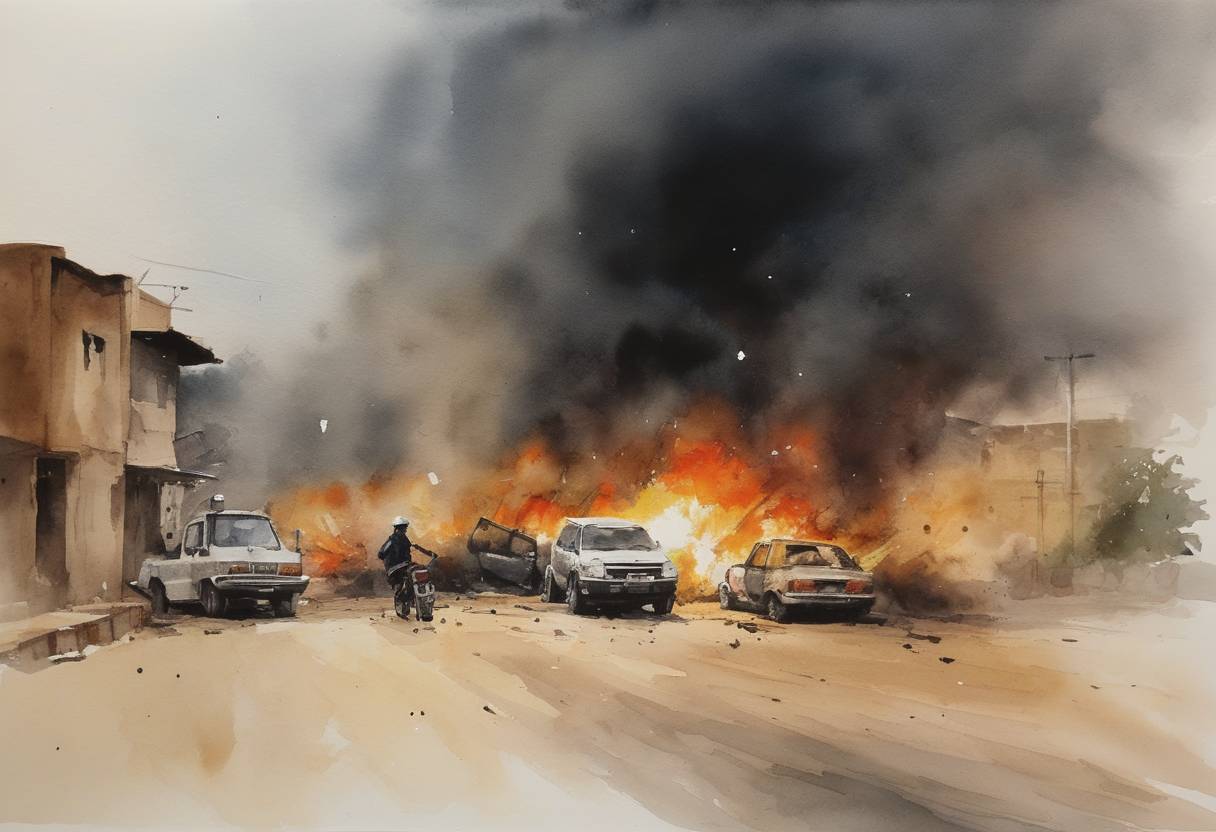
On January 23, 2012, the city of Kano in northern Nigeria was rocked by a series of coordinated bomb attacks carried out by the Islamist militant group Boko Haram. This violent outbreak claimed the lives of over 185 individuals, marking it as one of the deadliest attacks by Boko Haram up to that time.
Boko Haram, whose name translates to “Western education is forbidden,” emerged as a radical Islamist group in Nigeria in the early 2000s. The group initially focused on opposing Western influence and the perceived corruption of Nigerian society through education and religion. Over time, Boko Haram’s activities escalated from localized conflicts to more widespread acts of terrorism, aiming to create an Islamic state in Nigeria.
The coordinated assault on January 23 involved multiple bomb detonations and gun attacks targeting government buildings and security forces in Kano, Nigeria’s second-largest city. Key targets included police stations, the headquarters of the State Security Service, and passport and immigration offices. Throughout the day, gunfire erupted along with explosions, causing panic among the citizens and stretching the response capacity of the local authorities.
The severity and coordination of the Kano attacks underscored the growing capabilities of Boko Haram and highlighted significant challenges facing Nigeria in combating terrorism. It exposed the vulnerabilities in Nigeria’s security infrastructure and the ability of terrorist groups to inflict widespread destruction. This event drew international attention, leading to global condemnation and calls for increased international cooperation to address the threat of Boko Haram and similar groups in Africa.
The 2012 Kano bombings were a grim reminder of the nation’s ongoing struggle with terrorism, influencing subsequent counter-terrorism efforts and the eventual involvement of international forces in assisting Nigeria to combat Boko Haram.
Source: www.bbc.com