Dominica Gains Independence from the United Kingdom
1978 · Roseau, Dominica
Dominica gains its independence from the United Kingdom.
July 30, 1980
Vanuatu gains independence from France and the United Kingdom.
, Vanuatu
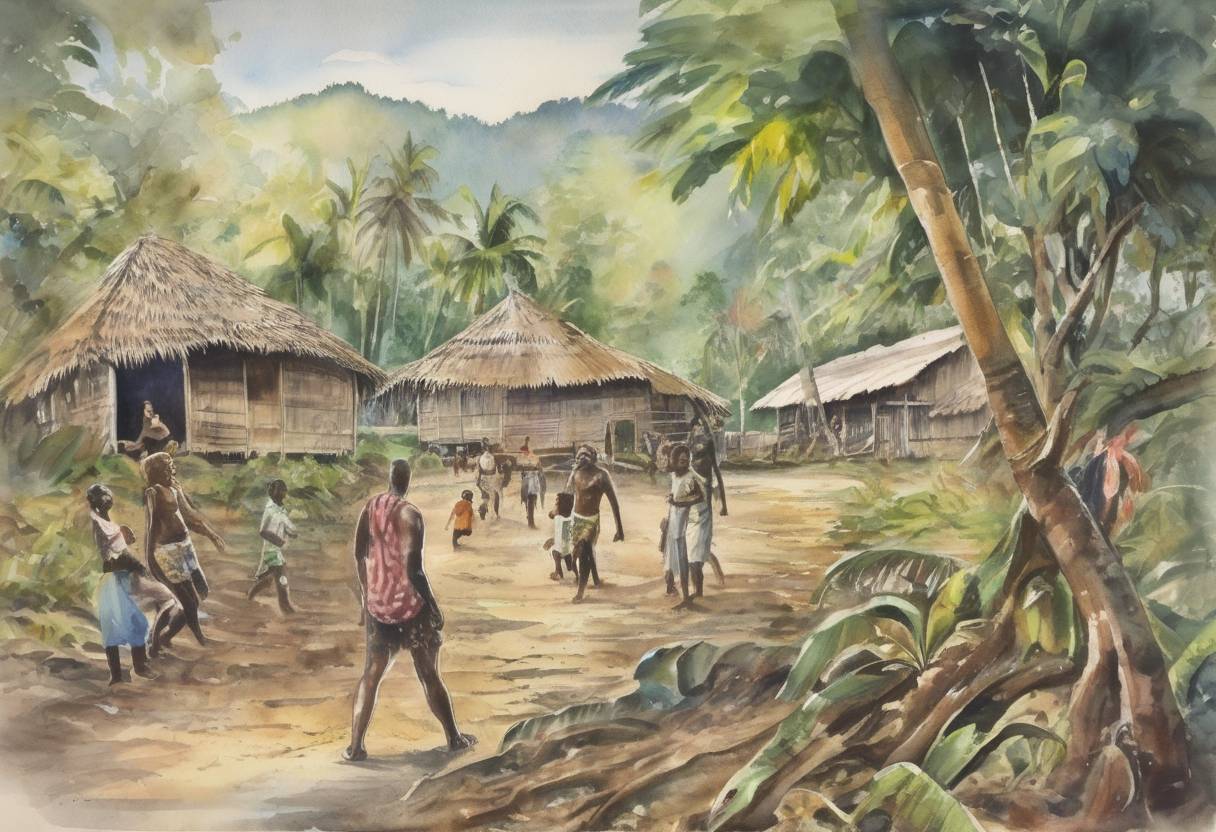
Vanuatu, an archipelago in the South Pacific Ocean, was originally inhabited by Melanesian people. European contact began in the 17th century, with the arrival of explorers such as Pedro Fernández de Quirós. By the late 19th century, both France and the United Kingdom had established a presence in the region, leading to the establishment of the Anglo-French Condominium of the New Hebrides in 1906. This unique colonial arrangement meant that the islands were jointly administered by both powers, resulting in a complex and often inefficient governance system.
The movement towards independence in Vanuatu gained momentum in the mid-20th century. The rise of nationalist sentiments was fueled by the desire for self-determination and the inefficiencies of the condominium government. Key figures in the independence movement included Walter Lini, who would later become the first Prime Minister of Vanuatu.
In the 1970s, political parties began to form, with the New Hebrides National Party (later renamed the Vanua’aku Pati) leading the charge for independence. The push for self-governance was part of a broader wave of decolonization sweeping across the Pacific and other parts of the world during this period.
On July 30, 1980, Vanuatu officially gained independence from France and the United Kingdom. The transition was relatively peaceful, although it was not without challenges. In the lead-up to independence, there were tensions and conflicts, including a brief secessionist movement on the island of Espiritu Santo, led by Jimmy Stevens and his Nagriamel movement. This was resolved with the intervention of Papua New Guinean troops at the request of the new Vanuatu government.
The independence ceremony was attended by representatives from both former colonial powers, as well as dignitaries from around the world. Walter Lini became the first Prime Minister, and the new nation adopted a constitution that established a parliamentary democracy.
Vanuatu’s independence marked the end of colonial rule in the New Hebrides and the beginning of a new chapter for the island nation. The country joined the United Nations in 1981 and has since been an active member of the international community.
The independence of Vanuatu is significant as it represents the successful culmination of a peaceful struggle for self-determination. It also highlights the complexities of decolonization, particularly in regions with multiple colonial influences. Today, Vanuatu is known for its rich cultural heritage, linguistic diversity, and commitment to environmental sustainability.
Vanuatu’s journey to independence is a testament to the resilience and determination of its people, and it continues to inspire movements for self-determination around the world.
Source: en.wikipedia.org