Ronald Reagan's Farewell Address - January 11, 1989
1989 · Washington, D.C., United States
President Ronald Reagan delivered his farewell address to the nation.
January 9, 1987
The White House announced the resignation of Edwin Meese as Counselor to the President, amidst growing controversy surrounding the Iran-Contra affair and other ethical concerns. This was part of a series of political changes within the Reagan Administration during a period marked by scandal.
Washington, D.C., United States | U.S. Government
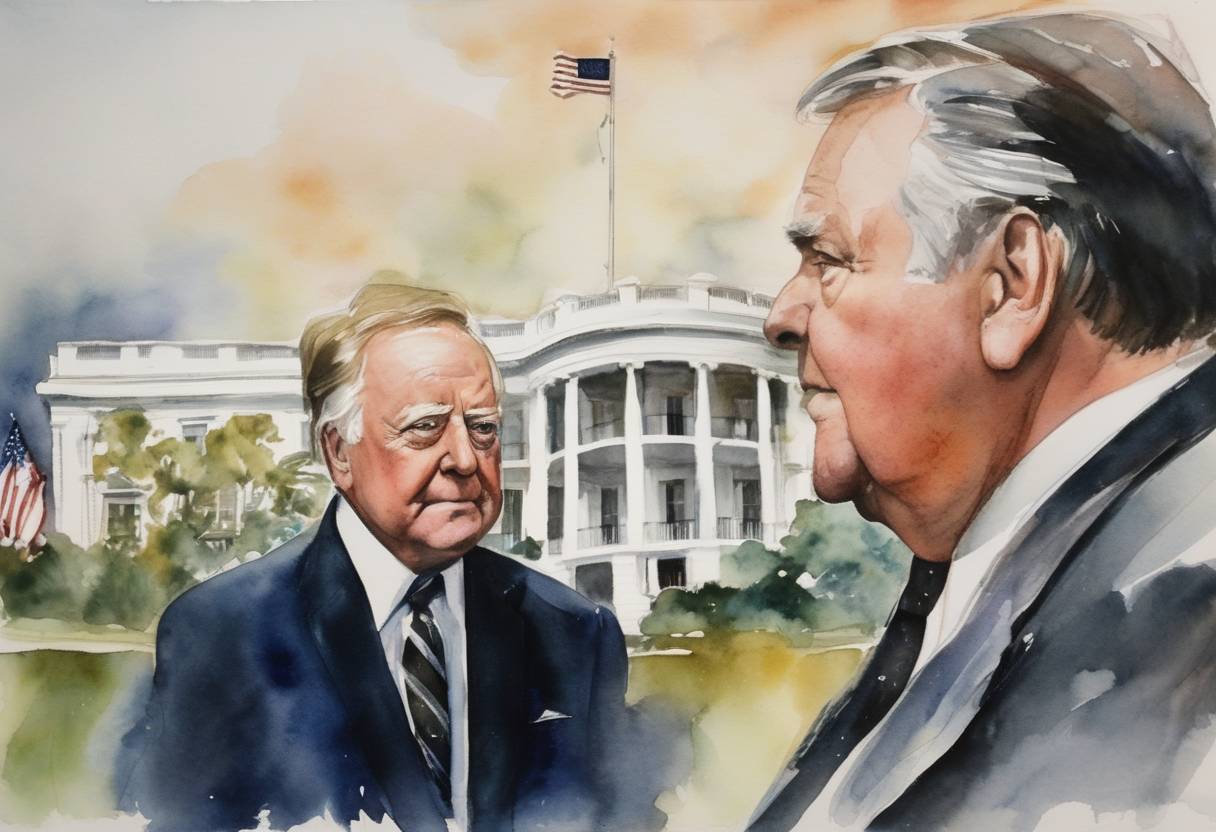
On January 9, 1987, the White House announced the resignation of Edwin Meese as Counselor to the President, amid the escalating controversies of the Iran-Contra affair and other ethical issues. Edwin Meese, a close advisor and longtime confidante of President Ronald Reagan, faced mounting scrutiny that ultimately led to his decision to step down, marking a pivotal moment in the Reagan Administration.
Edwin Meese had been serving as Counselor to the President since the beginning of Reagan’s presidency and was further appointed as the U.S. Attorney General in 1985. Renowned for his influence within the administration, Meese played a crucial role in shaping domestic policy and was considered part of Reagan’s inner circle. However, by the mid-1980s, his career became tarnished by allegations connected to various scandals.
The Iran-Contra affair emerged as a significant political scandal during the 1980s, involving the clandestine arms sales to Iran, which was under an arms embargo, to fund Contra rebels in Nicaragua against the Sandinista government. The revelations of this covert operation, which violated U.S. law, broke in November 1986, leading to investigations and public outcry.
Meese’s role came into question due to his involvement in internal White House meetings where these operations were potentially discussed. Although Meese claimed minimal direct involvement in the illegal activities, the association added to the accumulating pressure on his appropriateness for the high-profile governmental role.
Apart from the Iran-Contra issue, Meese faced separate controversies, including allegations of financial improprieties and conflicts of interest from various quarters. These concerns culminated in formal investigations led by the Office of the Independent Counsel to review accusations against him ranging from improper behavior to obstruction of justice.
The resignation of Edwin Meese represented a broader effort by the Reagan administration to stabilize and restore credibility amidst scandal. His exit was part of a series of reshuffles intended to project accountability and integrity in the management of national affairs. Following his resignation, Meese continued to serve as Attorney General until 1988, and he was later cleared of major legal wrongdoing through subsequent investigations.
The Iran-Contra affair led to multiple governmental reviews and prosecutions of several administration officials. This scandal left a lasting impression on the administration’s legacy, influencing public perception and legal frameworks regarding executive power and oversight.
Source: www.nytimes.com