2008 · Pokhran, India
An official acknowledgement was made by India concerning an unauthorized nuclear launch during Operation Shakti, admitting a mistake in their nuclear weapons program.
May 11, 1998
India conducted nuclear tests in Pokhran, leading to international condemnation and a regional arms race with Pakistan.
Pokhran, India | Government of India
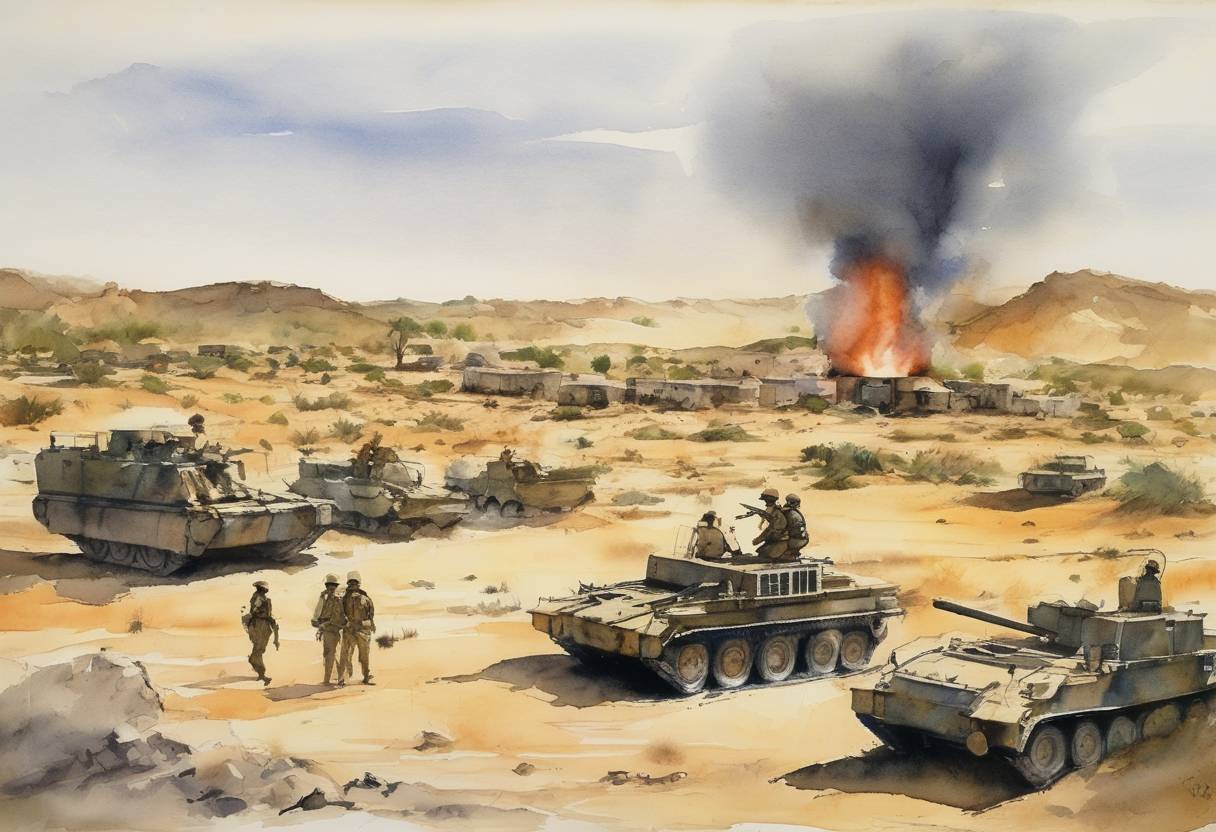
On May 11, 1998, India conducted a series of underground nuclear tests at the Pokhran Test Range in the Thar Desert, located in the Indian state of Rajasthan. These tests, codenamed Operation Shakti, marked India’s second instance of nuclear testing, nearly 24 years after the first test, “Smiling Buddha,” was conducted in 1974.
The tests were carried out under the government led by Prime Minister Atal Bihari Vajpayee. India’s decision to conduct these tests was influenced by several factors, including a desire to bolster national security amid regional tensions and a need to establish itself as a significant power on the global stage. The geopolitical landscape of the region, characterized by existing tensions with neighboring Pakistan and China’s nuclear capability, played a substantial role in shaping India’s policy towards nuclear deterrence.
On May 11, 1998, India detonated three nuclear devices:
A subsequent round of tests was conducted on May 13, 1998, with two additional sub-kiloton devices. The Indian government maintained that these tests were designed to establish a credible nuclear deterrent and enhance national security.
The Pokhran-II tests were met with widespread international condemnation:
The immediate regional consequence of India’s tests was a heightened tension with Pakistan. Pakistan, which was already a nuclear-capable state but had not conducted tests, responded by performing its nuclear tests on May 28, 1998, marking its entry as a declared nuclear weapons state. This series of events intensified the arms race on the subcontinent, with both nations subsequently developing and deploying various delivery systems, including ballistic missiles.
While the sanctions strained India’s economy, the country pursued various strategies to mitigate their impacts, focusing on domestic technological advancements. Over time, several countries, recognizing India’s growing stature, resumed normal diplomatic and economic relations, including the United States, which initiated strategic dialogues on defense and nuclear cooperation in the subsequent years.
India’s nuclear tests in 1998, along with Pakistan’s response, fundamentally altered the security dynamics of South Asia. They underscored the complex interplay between regional security concerns and international diplomatic pressures, paving the way for a new era of nuclear deterrence strategy in the region.
Source: www.nti.org