Madama Butterfly Premiere at La Scala
1904 · Milan, Italy
Madama Butterfly, an opera by Giacomo Puccini, premieres at La Scala in Milan.
September 9, 1892
Amilcare Ponchielli's opera, 'La Gioconda', premiered at La Scala in Milan.
Milan, Italy | La Scala
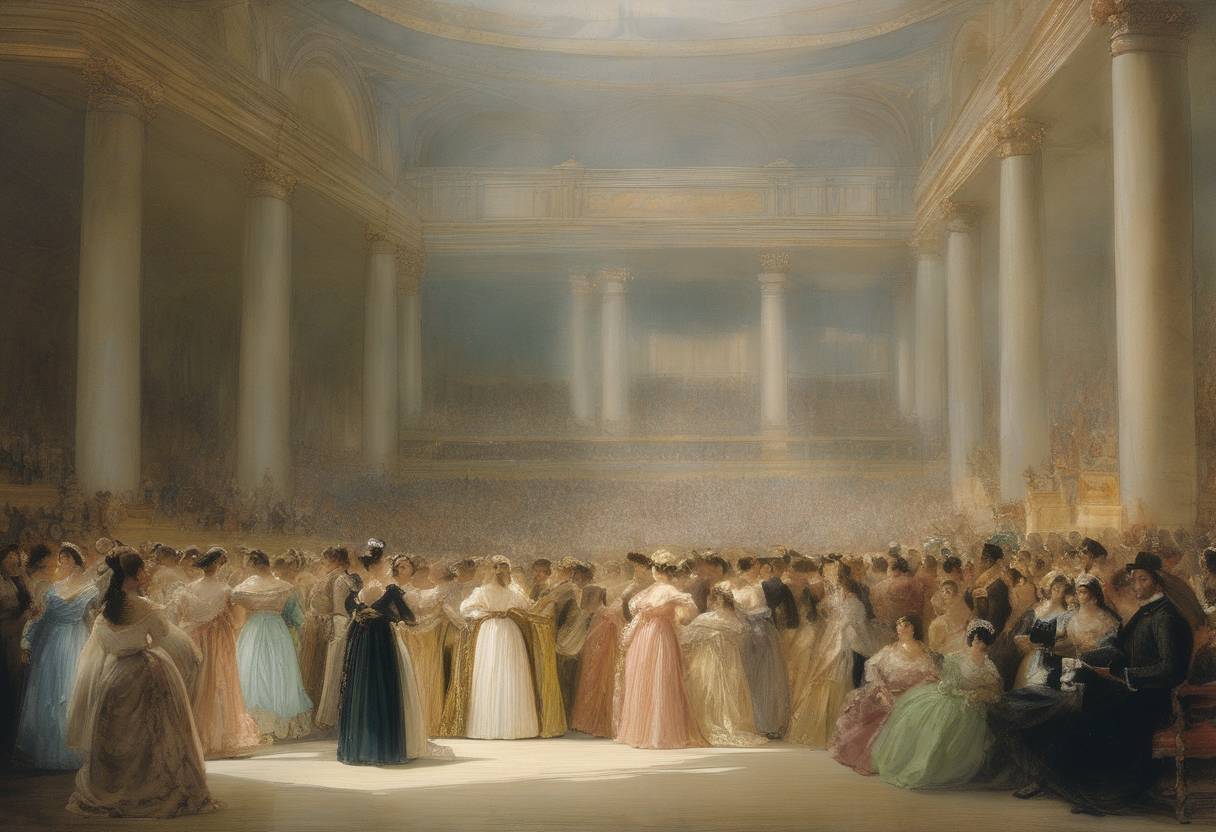
Date: September 9, 1892
Location: La Scala, Milan, Italy
Composer: Amilcare Ponchielli
Background:
La Gioconda is an opera in four acts by Italian composer Amilcare Ponchielli, with a libretto by Arrigo Boito under the pseudonym Tobia Gorrio. The work is based on the play “Angelo, Tyrant of Padua” by Victor Hugo. It is one of the few Italian operas from the period between Verdi and Puccini that still retains a place in the standard operatic repertoire today.
Plot Synopsis:
The opera is set in 17th-century Venice and centers around the tragic journey of La Gioconda, a street singer, as she navigates love, jealousy, and political intrigue. The intricate storyline is driven by the complex relationships between Gioconda, her beloved Enzo, Enzo’s romantic interest Laura, and Laura’s husband, Alvise, a powerful figure in Venice.
Musical Highlights:
Significance:
Upon its premiere, ‘La Gioconda’ was well-received and praised for its expressive music, dramatic intensity, and rich orchestration. It represented a bridge between the grand operatic traditions of Verdi and the verismo style that Puccini would later popularize. The opera’s success reinforced Ponchielli’s reputation as a leading composer of his time.
Legacy:
Today, ‘La Gioconda’ remains a staple in opera houses, appreciated for its dramatic narrative and the virtuosic requirements it places on its lead performers. The enduring popularity of pieces like “Dance of the Hours” continues to keep Ponchielli’s music in the public consciousness beyond the opera stage.
Source: www.operabase.com