Ahmet Zogu Declares Albania a Kingdom and Becomes King Zog - September 1, 1928
1928 · Tirana, Albania
Ahmet Zogu declares Albania a kingdom and becomes King Zog.
December 24, 1924
Albania was declared a republic, ending the monarchy. This significant political change came after a period of instability and foreign intervention, marking a shift in Albania's governance structure.
Tirana, Albania | Albanian Parliament
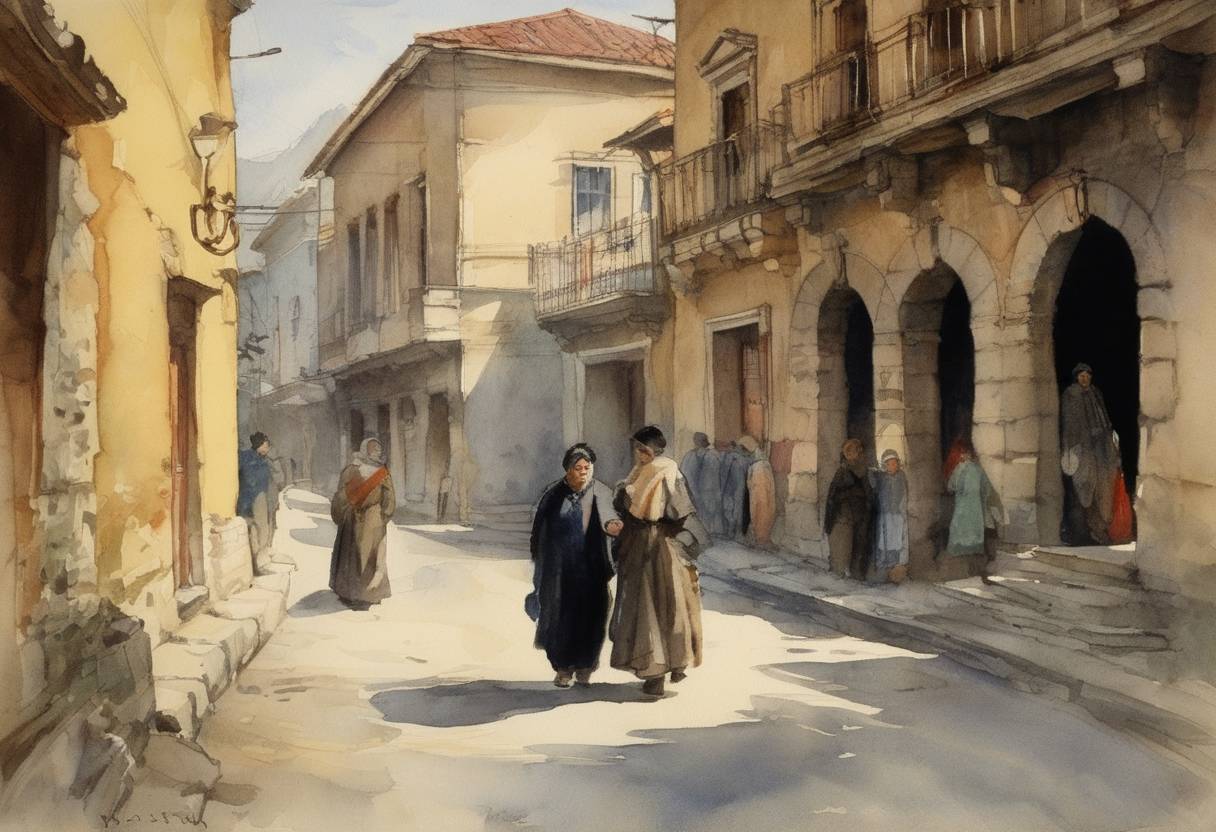
On December 24, 1924, Albania was officially declared a republic, culminating a period of profound political upheaval and marking a pivotal shift in its governance. This transition ended the brief rule of King Zog I and heralded an era of republican governance, albeit one marked by its own challenges.
In the early 1920s, Albania experienced significant political instability. The aftermath of World War I had left the young nation struggling with internal divisions, economic difficulties, and external pressures. The monarchy under King Zog I, initially a leader of widespread influence and charisma, faced increasing opposition and dissatisfaction among various political factions and the general populace.
Political unrest was further exacerbated by interference and interests from neighboring countries, particularly Yugoslavia and Italy, which sought to influence Albania’s political landscape to their advantage. Growing discontent culminated in the June Revolution of 1924, led by the political and intellectual figure Fan S. Noli, alongside agrarian and peasant groups dissatisfied with the existing monarchical rule.
The declaration on December 24, 1924, represented the fruition of the revolution led by Noli, who was a key figure advocating for modernization and reform. His vision aimed at establishing a more democratic and reform-oriented governance. The transitional government sought to implement economic and social reforms, stabilize internal conflicts, and reduce foreign influence.
The republican government, despite its promising start, faced substantial challenges. These included internal divisions, a lack of sustained international recognition, and financial difficulties. Moreover, the shift to a republican form of governance was short-lived.
In early 1925, Ahmet Zogu, the former king, returned with political and military support, primarily from Yugoslavia and other conservative factions within Albania. He capitalized on the government’s waning support, and in January 1925, Zogu was declared President of Albania under a revised republic framework. This effectively ended Noli’s government and signified the end of the brief republican era, as Zogu would later declare himself King Zog I in 1928, restoring the monarchy.
The events of December 24, 1924, underscore significant themes in Albanian history, including the struggles of a nascent nation-state attempting to define its identity and governance structure amidst both internal discord and external pressures. Although the republican experiment was fleeting, it left a legacy of reform-minded discourse and a longing for structural change that would influence Albania’s political evolution throughout the 20th century.
Source: books.google.com