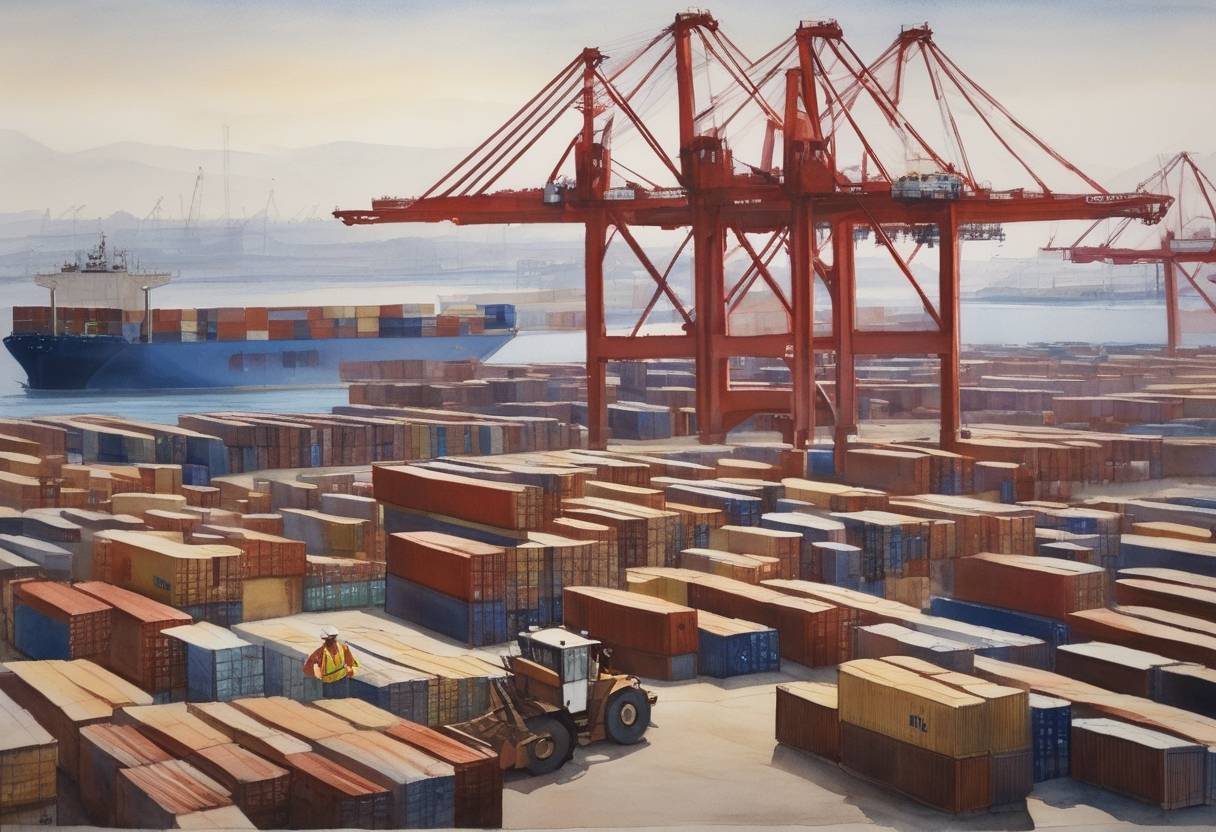
End of ILWU Strike at the Port of Los Angeles on September 30, 2010
On September 30, 2010, the International Longshore and Warehouse Union (ILWU) concluded a week-long strike at the Port of Los Angeles. This significant labor action was prompted by a protracted disagreement between the union and port operators over employment conditions and contractual agreements.
Background
The ILWU represents workers responsible for handling cargo in major ports along the West Coast of the United States, playing a critical role in the nation’s logistics and supply chain sectors. In September 2010, tensions escalated after prolonged negotiations failed to produce a satisfactory agreement concerning wages, working conditions, and job security.
The Strike
The strike began on September 24, 2010, effectively halting port operations and disrupting the movement of goods and services. The union’s decision to strike underscored the widespread dissatisfaction among port workers regarding employment terms and the management’s handling of contract renegotiations.
Resolution
On September 30, 2010, the strike came to an end following successful negotiations that resulted in an agreement that addressed the union’s key demands. Both sides worked intensively to reach a consensus that would allow operations to resume without significant further disruption to the port’s functionality.
Aftermath and Significance
The resolution of the strike demonstrated the importance of effective negotiation and communication between labor unions and employers, particularly in industries vital to the country’s economy. It highlighted the critical balance required to maintain fair labor practices while ensuring the stability of supply chain operations.
The event served as a reminder of the power dynamics in labor relations and contributed to ongoing discussions about workers’ rights and employer responsibilities against the backdrop of global economic pressures.
The conclusion of the strike allowed the Port of Los Angeles to resume its pivotal role in international trade, reinforcing the port’s reputation as a vital economic hub on the West Coast.