March 29, 1971: Death Penalty Recommended for Charles Manson and Followers
1971 · Los Angeles, United States
A Los Angeles jury recommends the death penalty for Charles Manson and three female followers for the 1969 Tate-LaBianca murders.
November 30, 1786
The Grand Duchy of Tuscany becomes the first modern state to abolish the death penalty.
Florence, Grand Duchy of Tuscany | Grand Duchy of Tuscany
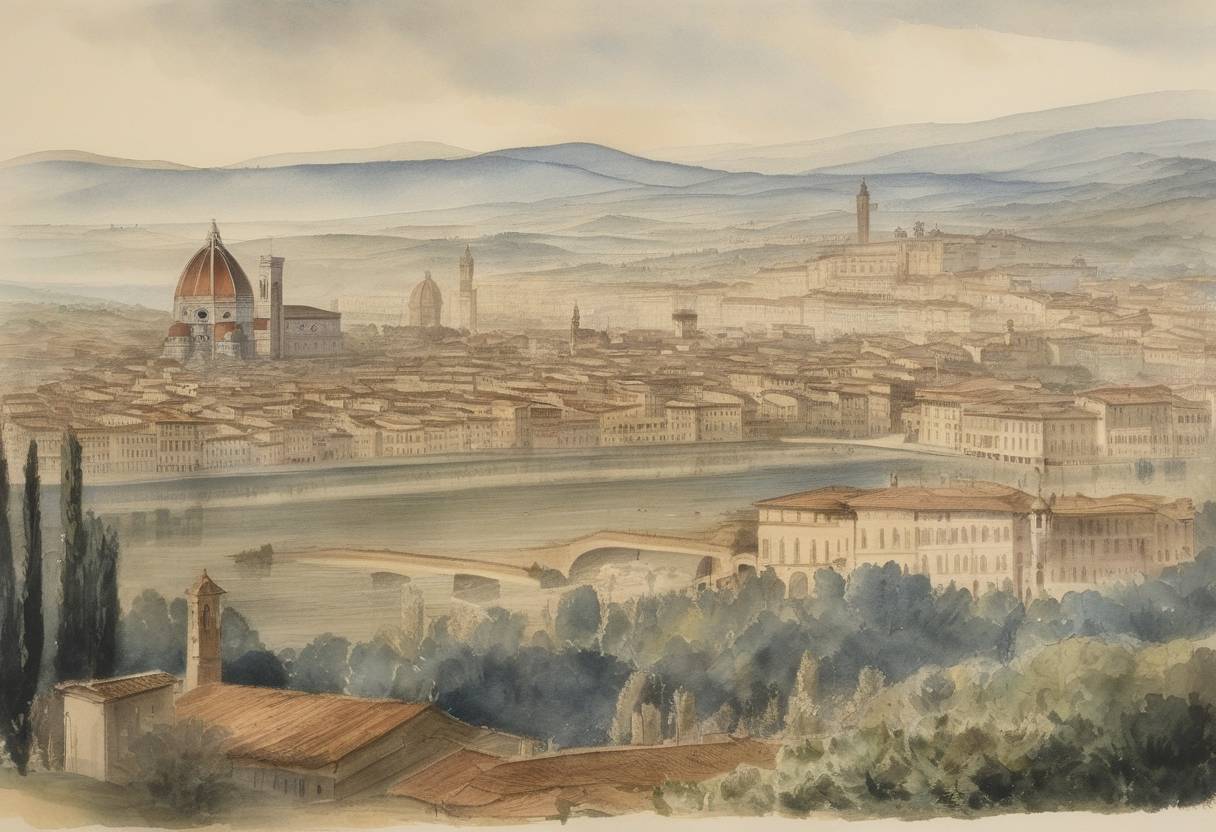
On November 30, 1786, the Grand Duchy of Tuscany, under the leadership of Grand Duke Leopold II, became the first modern state to abolish the death penalty. This landmark decision is widely regarded as a pivotal moment in the development of human rights and penal reform.
The Grand Duchy of Tuscany, a central Italian state, was governed by Leopold II, who later became Holy Roman Emperor Leopold II. Known for his enlightened thinking, Leopold was influenced by the wave of Enlightenment ideas sweeping through Europe. One significant influence on his decision was the work of Cesare Beccaria, an Italian criminologist, whose treatise “On Crimes and Punishments” argued against the use of torture and capital punishment, advocating for criminal justice reform.
Leopold’s decision to abolish the death penalty was part of broader reforms aimed at modernizing the state’s legal and economic systems. On November 30, 1786, Leopold officially signed the decree at his Tuscan residence in Florence, putting an end to all forms of capital punishment in the duchy. This decree was a radical departure from the norms of the time, where the death penalty was widely used across Europe for a variety of offenses.
The abolition of the death penalty in Tuscany was initially met with some resistance, as it was contrary to the prevailing practices of the period. However, it set a precedent and inspired further debate on the ethics and effectiveness of capital punishment.
Although Leopold’s successors reinstated the death penalty briefly, the ideology and actions taken in 1786 sowed the seeds for future penal reform not only in Italy but also in various parts of the world. It underscored a growing movement towards a more humanitarian approach to justice and punishment.
The event’s significance lies in its role as a precursor to significant penal reform movements that emerged in the 19th and 20th centuries. Tuscany’s abolition of the death penalty marked an early step towards the development of a justice system grounded in human rights and rationality, pushing other states to reconsider their own stances on capital punishment. The decision highlighted the power of enlightened thought in reshaping societal norms, paving the road for what would become a fundamental element of modern human rights principles.
Source: www.britannica.com