Steve Fossett's Historic Solo Nonstop Balloon Flight
2002 · Queensland, Australia
Steve Fossett became the first person to fly solo nonstop around the world in a balloon, landing in Queensland, Australia.
March 3, 2005
Steve Fossett became the first person to fly an airplane solo nonstop around the world without refueling.
Salina, United States | Virgin Atlantic GlobalFlyer
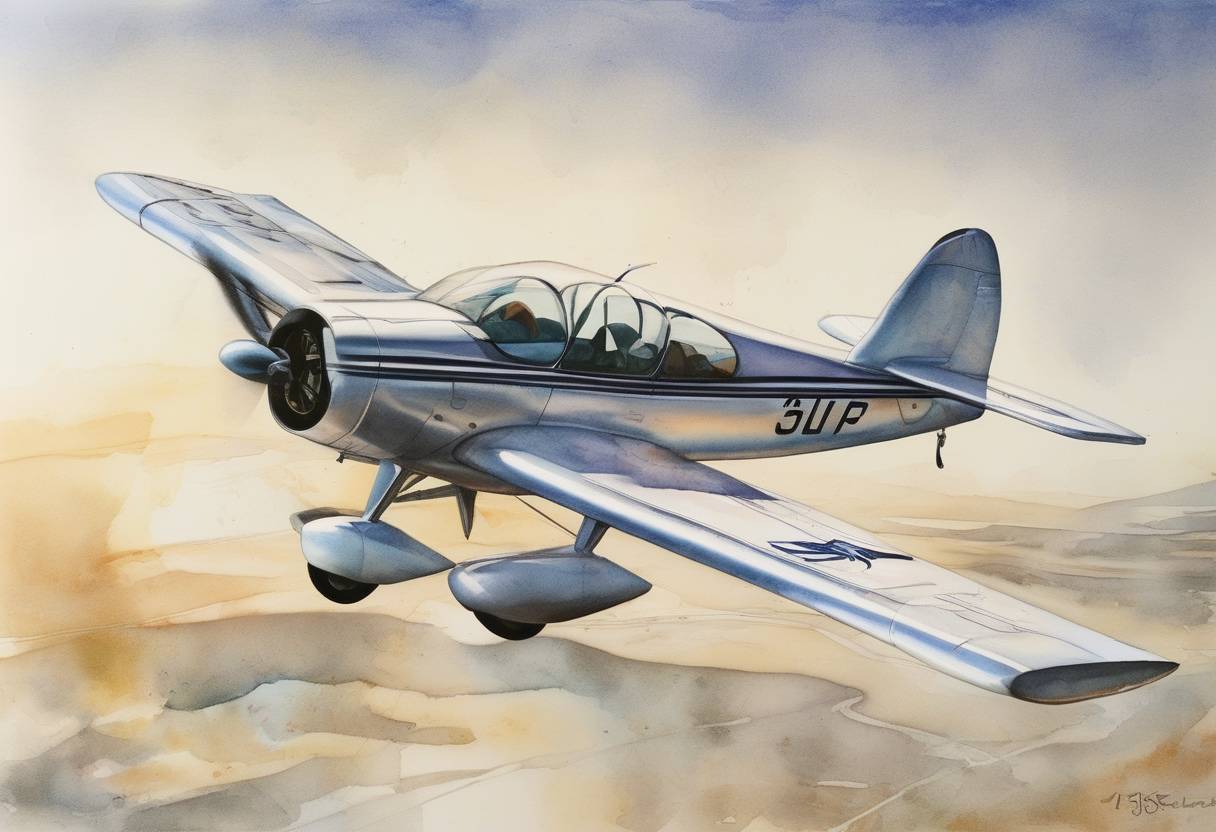
On March 3, 2005, Steve Fossett became the first person to fly an airplane solo nonstop around the world without refueling. This remarkable achievement was a significant milestone in aviation history, showcasing human endurance, technological innovation, and the spirit of exploration.
Steve Fossett was an American businessman and adventurer known for his record-setting exploits in aviation and sailing. Before his 2005 flight, Fossett had already made a name for himself with numerous world records, including the first solo balloon flight around the world in 2002.
Fossett’s historic flight was made possible by the Virgin Atlantic GlobalFlyer, a specially designed aircraft built by Scaled Composites. The aircraft was engineered to be lightweight and fuel-efficient, featuring:
During the flight, Fossett faced several challenges, including:
Despite these challenges, Fossett’s successful completion of the flight set a new benchmark in aviation, demonstrating the potential for long-distance, fuel-efficient air travel.
Steve Fossett’s achievement was celebrated worldwide, earning him recognition and numerous accolades. His flight inspired further advancements in aviation technology and encouraged future endeavors in long-distance and sustainable flight.
Fossett continued to pursue adventurous challenges until his disappearance during a flight over the Nevada desert in 2007. His legacy lives on as a testament to human ingenuity and the relentless pursuit of pushing the boundaries of what is possible.
Fossett’s 2005 flight remains a significant chapter in the history of aviation, symbolizing the spirit of exploration and the quest for innovation.
Source: www.nationalgeographic.com