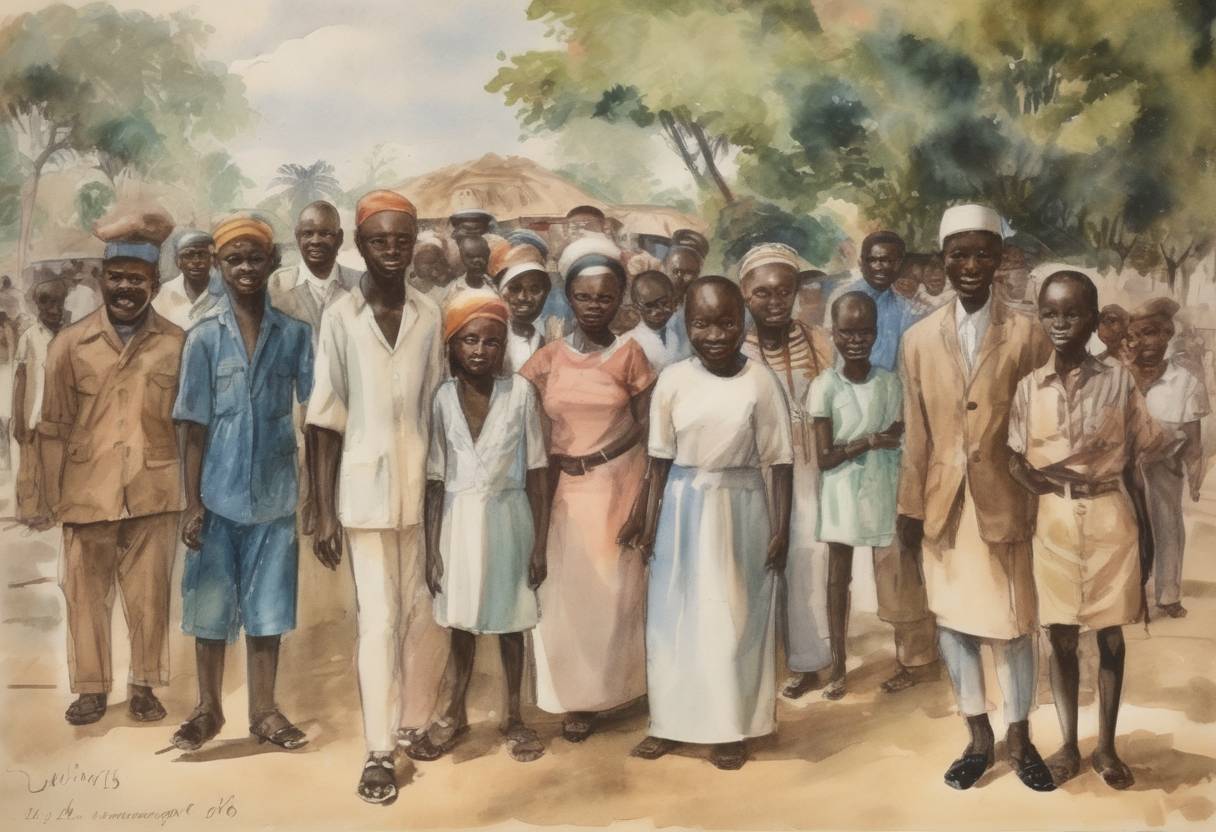
Ivory Coast Gains Independence from France
On August 7, 1960, Ivory Coast, also known as Côte d’Ivoire, officially gained independence from France. This event marked a significant milestone in the broader wave of decolonization that swept across Africa during the mid-20th century.
Historical Context
- Colonial Background: Ivory Coast became a French colony in 1893. Over the years, it was integrated into French West Africa, a federation of eight French colonial territories in Africa.
- Post-War Decolonization: After World War II, a global movement towards decolonization gained momentum. Many African nations began to demand independence, inspired by the principles of self-determination and the weakening of European colonial powers.
Path to Independence
- Political Evolution: In the 1950s, political movements in Ivory Coast gained strength. The most prominent was the Democratic Party of Côte d’Ivoire (PDCI), led by Félix Houphouët-Boigny.
- French Reforms: In response to growing demands for autonomy, France implemented reforms, including the 1956 Loi Cadre, which granted more administrative powers to African territories.
- Referendum of 1958: A pivotal moment came with the 1958 French constitutional referendum, which offered French colonies the choice between immediate independence or joining the French Community with greater autonomy. Ivory Coast chose the latter, setting the stage for eventual independence.
Independence Achieved
- Negotiations: Following negotiations with France, Ivory Coast was granted full independence on August 7, 1960. Félix Houphouët-Boigny became the country’s first president, a position he held for over three decades.
- Peaceful Transition: Unlike some other African nations, Ivory Coast’s transition to independence was relatively peaceful, largely due to Houphouët-Boigny’s pragmatic approach and his ability to maintain good relations with France.
Aftermath and Significance
- Economic Development: Post-independence, Ivory Coast experienced rapid economic growth, becoming one of the most prosperous countries in West Africa. This was largely due to its agricultural exports, particularly cocoa and coffee.
- Political Stability: The country enjoyed a period of political stability under Houphouët-Boigny’s leadership, although this was accompanied by a lack of political pluralism.
- Legacy of Decolonization: Ivory Coast’s independence was part of a larger trend of decolonization in Africa, which saw over 17 African nations gain independence in 1960 alone, a year often referred to as the “Year of Africa.”
Ivory Coast’s independence was a pivotal moment in its history, setting the stage for its development as a sovereign nation and contributing to the broader narrative of African decolonization.