Launch of TIROS-1: A New Era in Meteorological Observation
1960 · Cape Canaveral, United States
The United States launched TIROS-1, the world's first successful weather satellite, marking a new era in meteorological observation.
January 12, 1967
Dr. James Bedford becomes the first person to be cryonically preserved with intent of future resuscitation.
Glendale, United States | Cryonics Society of California
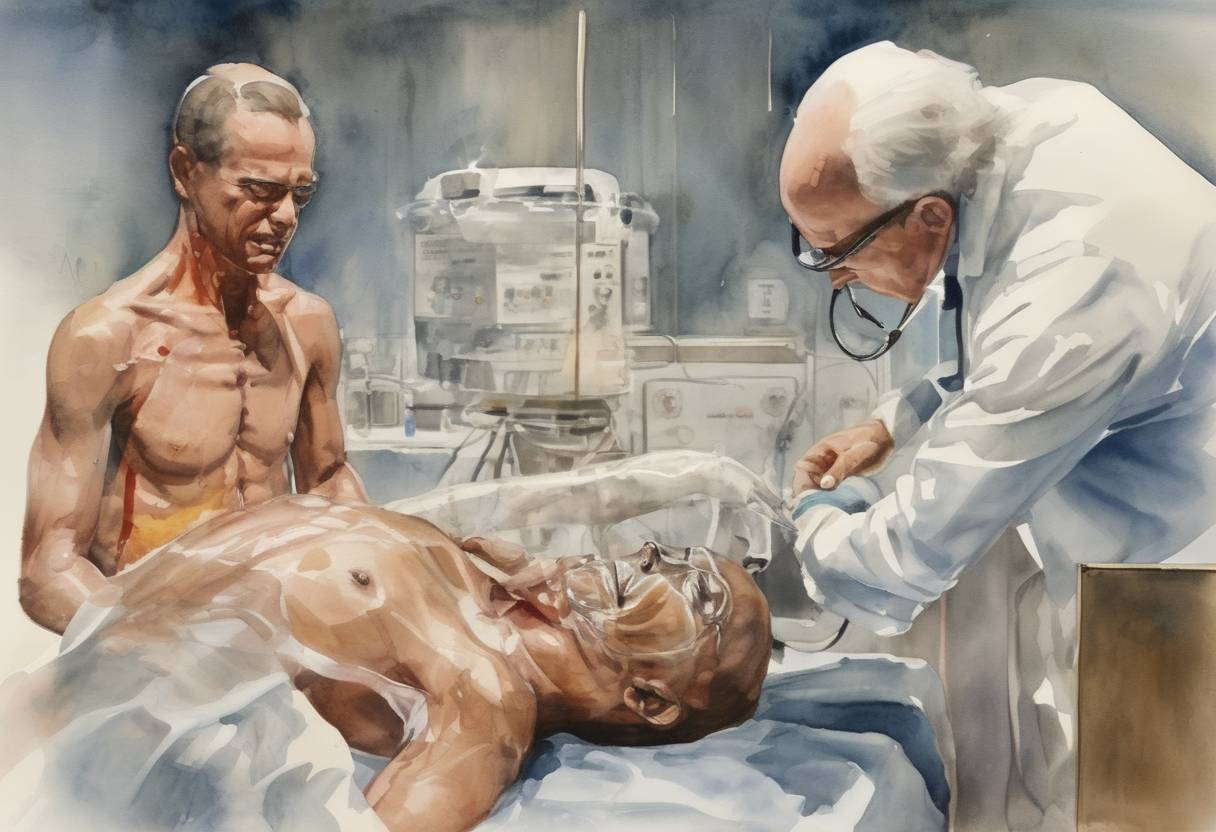
On January 12, 1967, Dr. James Bedford, a psychology professor at the University of California, became the first person to be cryonically preserved with the intent of future resuscitation. This event marked a significant milestone in the field of cryonics, a controversial and experimental practice aimed at preserving human bodies at extremely low temperatures after death, with the hope that future medical advancements might allow for revival and treatment of the conditions that caused death.
Cryonics emerged in the 1960s as a concept inspired by advances in cryobiology, the study of biological materials at low temperatures. The idea was popularized by Robert Ettinger’s 1962 book, “The Prospect of Immortality,” which suggested that freezing individuals who had died from incurable diseases could preserve them until a time when medical technology could potentially cure them.
Dr. Bedford, who was suffering from kidney cancer, expressed his desire to be cryonically preserved. Upon his death on January 12, 1967, his body was quickly prepared for cryonic suspension. The process was carried out by a team led by Robert Nelson, then-president of the Cryonics Society of California. Bedford’s body was initially cooled with ice and then placed in a capsule filled with liquid nitrogen to maintain a temperature of approximately -196 degrees Celsius (-321 degrees Fahrenheit).
Dr. Bedford’s preservation was a pioneering event in cryonics, drawing significant public attention and sparking debates about the ethical, legal, and scientific implications of the practice. His case remains unique as he is still preserved today, over five decades later, making him the longest-preserved cryonics patient.
The event also highlighted the challenges associated with cryonics, including legal issues surrounding the definition of death, the technical difficulties of preserving tissues without damage, and the uncertain future of potential revival technologies.
The cryonics movement has grown since Bedford’s preservation, with several organizations offering cryonic services. However, it remains a niche and controversial field, with no successful revivals to date. The practice raises important questions about the intersection of technology, ethics, and the human desire to extend life.
Dr. Bedford’s preservation continues to be a symbol of the quest for immortality and the human hope that science might one day overcome the limitations of biology. His case serves as a reminder of the speculative nature of cryonics and the ongoing debate over its feasibility and morality.
Source: en.wikipedia.org