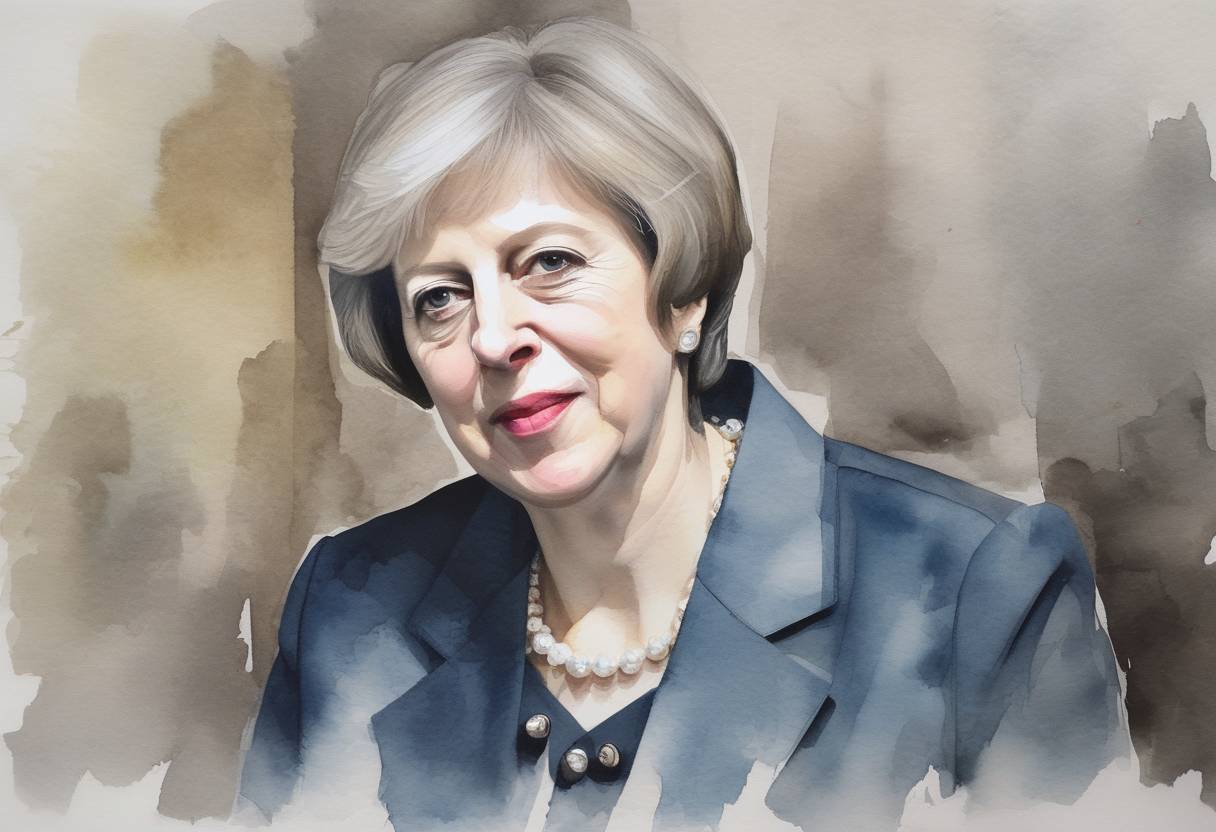
Theresa May Becomes Prime Minister of the United Kingdom
On July 13, 2016, Theresa May officially became the Prime Minister of the United Kingdom, succeeding David Cameron. Her ascension to the role was a direct consequence of the political upheaval following the Brexit referendum.
Context and Background
Brexit Referendum: On June 23, 2016, the United Kingdom held a referendum to decide whether to remain in or leave the European Union. The result was a narrow victory for the “Leave” campaign, with 52% voting to exit the EU.
David Cameron’s Resignation: David Cameron, who had campaigned for the UK to remain in the EU, announced his resignation as Prime Minister the day after the referendum, stating that the country required “fresh leadership” to navigate the Brexit process.
Theresa May’s Path to Leadership
Conservative Party Leadership Contest: Following Cameron’s resignation, the Conservative Party initiated a leadership contest. Theresa May, who was serving as the Home Secretary at the time, emerged as a leading candidate. Known for her experience and reputation for being a steady hand, she was seen as a unifying figure within the party.
Uncontested Leadership: The leadership contest was expected to be a prolonged affair, but it concluded swiftly. Andrea Leadsom, May’s main rival, withdrew from the race on July 11, 2016, leaving May as the sole candidate. Consequently, she was declared the leader of the Conservative Party.
Becoming Prime Minister
Official Appointment: On July 13, 2016, Theresa May was formally appointed as Prime Minister by Queen Elizabeth II. She became the UK’s second female Prime Minister, following Margaret Thatcher.
Initial Challenges: Upon taking office, May faced the immediate challenge of managing the Brexit negotiations. Her tenure was marked by efforts to balance the diverse opinions within her party and the country regarding the UK’s future relationship with the EU.
Significance and Aftermath
Brexit Negotiations: May’s premiership was dominated by the complexities of Brexit. She initiated the formal Brexit process by triggering Article 50 of the Treaty on European Union in March 2017, setting the UK on a path to leave the EU.
Political Challenges: Her leadership faced significant challenges, including internal party divisions and multiple parliamentary defeats over her proposed Brexit deal. These issues ultimately led to her resignation in July 2019.
Legacy: Theresa May’s time as Prime Minister was pivotal in shaping the UK’s approach to Brexit and highlighted the deep political and social divisions within the country regarding its future outside the EU.
Theresa May’s tenure as Prime Minister was a critical period in modern British history, marked by efforts to navigate the uncharted waters of Brexit while maintaining political stability.