1831 · Tuscaloosa, United States
The University of Alabama was founded, becoming the state's first public college and one of the oldest public universities in the United States.
June 11, 1963
Alabama Governor George Wallace stood in the doorway of the University of Alabama to block the enrollment of African American students, an event known as the 'Stand in the Schoolhouse Door.'
Tuscaloosa, United States | University of Alabama
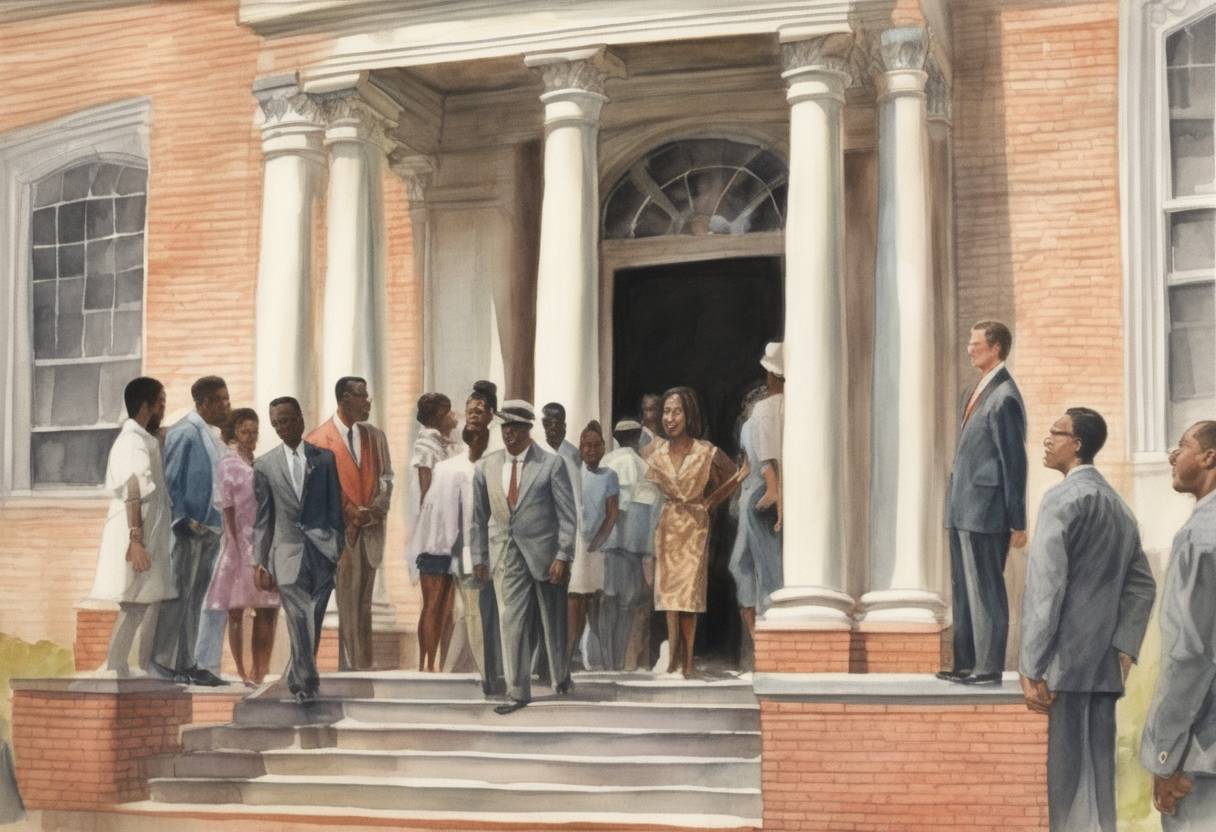
On June 11, 1963, a significant event in the American Civil Rights Movement unfolded at the University of Alabama in Tuscaloosa. This day is remembered for Alabama Governor George Wallace’s symbolic attempt to block the desegregation of the university, an episode famously known as the “Stand in the Schoolhouse Door.”
The event took place against the backdrop of the Civil Rights Movement, which sought to end racial segregation and discrimination against African Americans in the United States. The movement had gained momentum in the 1950s and early 1960s, leading to increased federal intervention to enforce civil rights laws.
In 1954, the U.S. Supreme Court’s decision in Brown v. Board of Education declared state laws establishing separate public schools for black and white students to be unconstitutional. Despite this ruling, many Southern states, including Alabama, resisted integration.
Governor George Wallace’s Inaugural Pledge: George Wallace, elected as Governor of Alabama in 1962, had promised in his inaugural address to maintain segregation, famously declaring, “segregation now, segregation tomorrow, segregation forever.”
Federal Court Orders: The University of Alabama had been ordered by a federal court to admit African American students, Vivian Malone and James Hood, for the summer session of 1963.
Wallace’s Defiance: On June 11, 1963, Governor Wallace physically positioned himself at the entrance of Foster Auditorium at the University of Alabama to prevent Malone and Hood from entering. This act was a direct challenge to federal authority and the enforcement of desegregation.
Federal Intervention: President John F. Kennedy responded by federalizing the Alabama National Guard. Deputy Attorney General Nicholas Katzenbach, accompanied by federal marshals, confronted Wallace and demanded that he step aside.
Resolution: Faced with the presence of federal troops, Wallace eventually stepped aside, allowing Malone and Hood to register for classes, marking a significant victory for the Civil Rights Movement.
Impact on Civil Rights: The event was a pivotal moment in the Civil Rights Movement, highlighting the federal government’s commitment to enforcing civil rights laws and the ongoing struggle against segregationist policies.
National Attention: The confrontation was broadcast nationwide, drawing significant media attention and further galvanizing public support for the Civil Rights Movement.
Legacy: The “Stand in the Schoolhouse Door” remains a symbol of the resistance to desegregation and the federal government’s role in upholding civil rights. It underscored the tensions between state and federal authorities during this era.
In summary, the events of June 11, 1963, at the University of Alabama were a critical juncture in the fight for civil rights in the United States, demonstrating the federal government’s resolve to enforce desegregation and the persistent resistance from segregationist forces.
Source: en.wikipedia.org