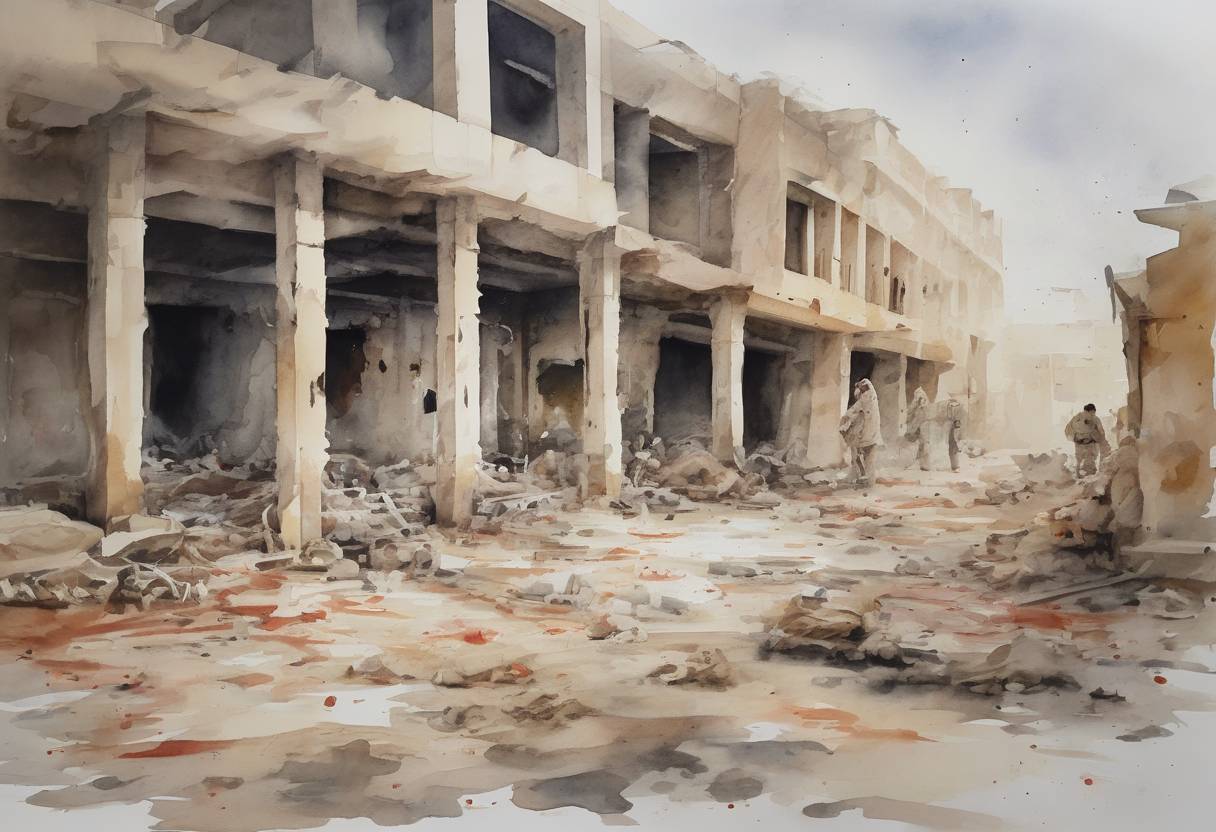
U.S. Airstrike on Médecins Sans Frontières Hospital in Kunduz, Afghanistan (October 3, 2015)
On October 3, 2015, a tragic incident occurred in Kunduz, Afghanistan, when a U.S. airstrike mistakenly targeted a hospital operated by Médecins Sans Frontières (MSF), also known as Doctors Without Borders. This event resulted in the deaths of 42 people, including patients and medical staff, and prompted widespread international condemnation.
Context and Background
Kunduz Offensive: In late September 2015, the Taliban launched a major offensive and briefly captured the city of Kunduz, marking a significant escalation in the conflict. The Afghan government, supported by U.S. forces, was engaged in efforts to retake the city.
MSF Hospital: The MSF trauma center in Kunduz was a critical facility providing medical care to civilians and combatants alike, adhering to the principles of neutrality and impartiality. It was one of the few medical facilities in the region capable of handling complex trauma cases.
The Airstrike
Details of the Strike: In the early hours of October 3, a U.S. AC-130 gunship conducted an airstrike on the MSF hospital. The attack lasted for approximately an hour, despite MSF’s urgent calls to U.S. and Afghan military officials to halt the assault.
Casualties and Damage: The airstrike resulted in the deaths of 42 individuals, including 14 MSF staff members, 24 patients, and 4 caretakers. The hospital was severely damaged, rendering it inoperable.
International Reaction
Condemnation: The attack was met with widespread condemnation from international organizations, governments, and human rights groups. MSF described the incident as a “war crime” and called for an independent investigation.
U.S. Response: The U.S. government, including then-President Barack Obama, expressed deep regret over the incident. An internal investigation was launched, and the Pentagon later acknowledged that the strike was a mistake, attributing it to human error and equipment failures.
Aftermath and Consequences
Investigations and Accountability: The U.S. military conducted several investigations, which concluded that the airstrike was the result of a series of errors. Disciplinary actions were taken against several military personnel, but no criminal charges were filed.
Impact on Humanitarian Operations: The attack had a chilling effect on humanitarian operations in conflict zones, raising concerns about the safety of medical facilities and the protection of civilians during armed conflicts.
Policy Changes: The incident prompted discussions on the rules of engagement and the need for improved coordination and communication between military forces and humanitarian organizations.
Broader Historical Significance
The Kunduz hospital airstrike highlighted the complexities and challenges of modern warfare, particularly in asymmetric conflicts where distinguishing between combatants and non-combatants can be difficult. It underscored the importance of adhering to international humanitarian law and the protection of medical facilities in conflict zones. The incident also reinforced the need for accountability and transparency in military operations to prevent similar tragedies in the future.