The Munich Agreement: September 30, 1938
1938 · Munich, Germany
The Munich Agreement is signed by Germany, the United Kingdom, France, and Italy, allowing Nazi Germany's annexation of the Sudetenland in Czechoslovakia.
February 22, 1943
Members of the White Rose, a non-violent resistance group in Nazi Germany, were executed by the Nazis for distributing anti-war leaflets.
Munich, Germany | White Rose
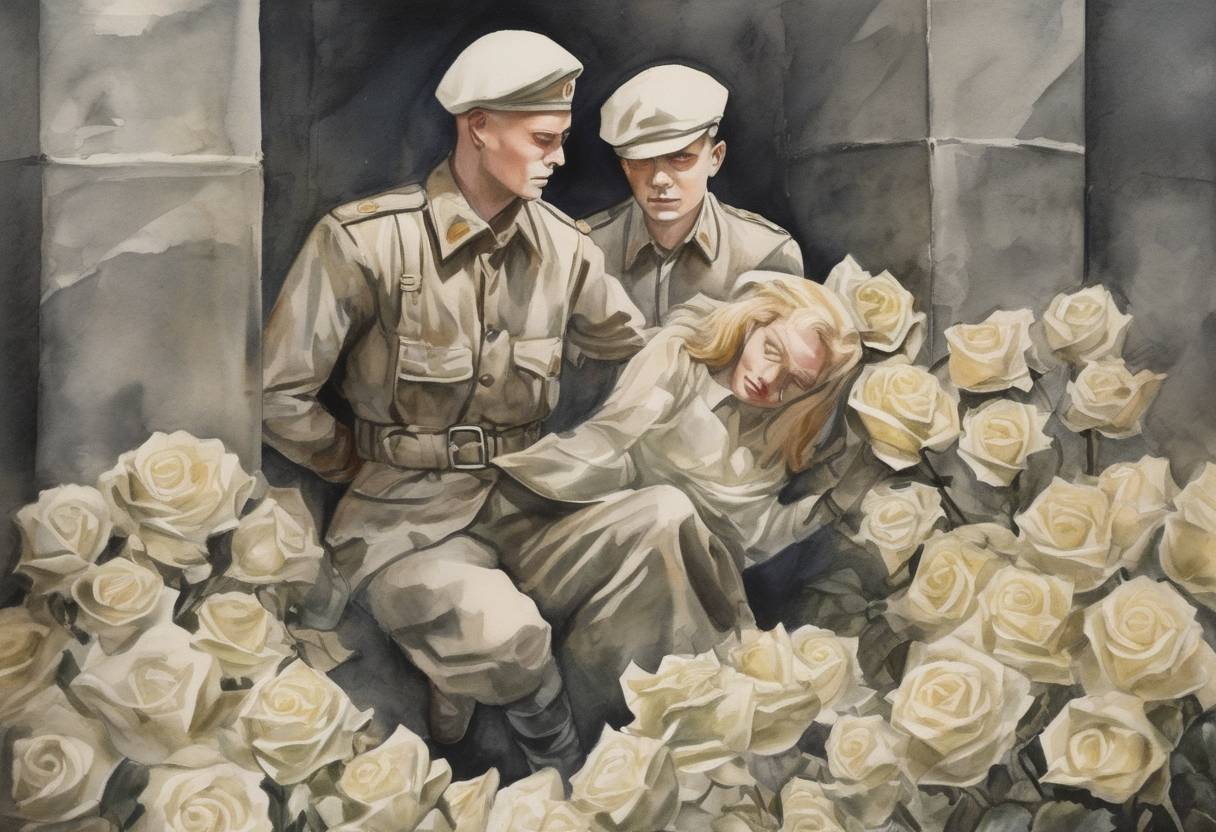
On February 22, 1943, three members of the White Rose, a non-violent resistance group in Nazi Germany, were executed by the regime for their courageous efforts in opposing Adolf Hitler’s totalitarian rule. This group, primarily composed of university students, sought to awaken the German populace to the atrocities committed by the Nazis and to inspire active resistance against the regime.
The White Rose was founded in 1942 by a group of students at the University of Munich, including siblings Hans and Sophie Scholl, and their friend Christoph Probst. The group was deeply influenced by Christian ethics and a commitment to intellectual freedom. They were appalled by the moral and ethical degradation they witnessed under Nazi rule, particularly the persecution of Jews and the suppression of dissent.
The White Rose is best known for its series of pamphlets, which called for passive resistance against the Nazi regime. These leaflets, distributed across several German cities, urged Germans to rise up against the oppression and to reject the war. The pamphlets were a bold act of defiance, as any form of resistance was met with severe punishment.
In February 1943, Hans and Sophie Scholl were caught distributing leaflets at the University of Munich. They were arrested by the Gestapo, along with Christoph Probst, after being reported by a university janitor. Their trial was swift and brutal, presided over by the notorious Nazi judge Roland Freisler.
On February 22, 1943, Hans and Sophie Scholl, along with Christoph Probst, were executed by guillotine at Stadelheim Prison in Munich. Their deaths were meant to serve as a warning to others who might consider opposing the Nazi regime.
Despite their execution, the legacy of the White Rose lived on. Their courage and moral conviction inspired others within Germany and beyond. The group’s actions are remembered as a symbol of resistance against tyranny and a testament to the power of individual conscience in the face of overwhelming oppression.
The White Rose’s resistance highlighted the existence of internal opposition to the Nazi regime, challenging the narrative of unanimous support for Hitler within Germany. Their story has been commemorated in numerous memorials, films, and books, serving as a poignant reminder of the importance of standing up for justice and human rights, even in the darkest of times.
Source: en.wikipedia.org