Premiere of Walt Disney's *Fantasia* - November 10, 1940
1940 · New York City, United States
Walt Disney's animated film 'Fantasia' premiered in New York City, introducing stereophonic sound to motion pictures.
November 13, 1940
Walt Disney's animated film 'Fantasia' is released.
New York City, United States | Walt Disney Productions
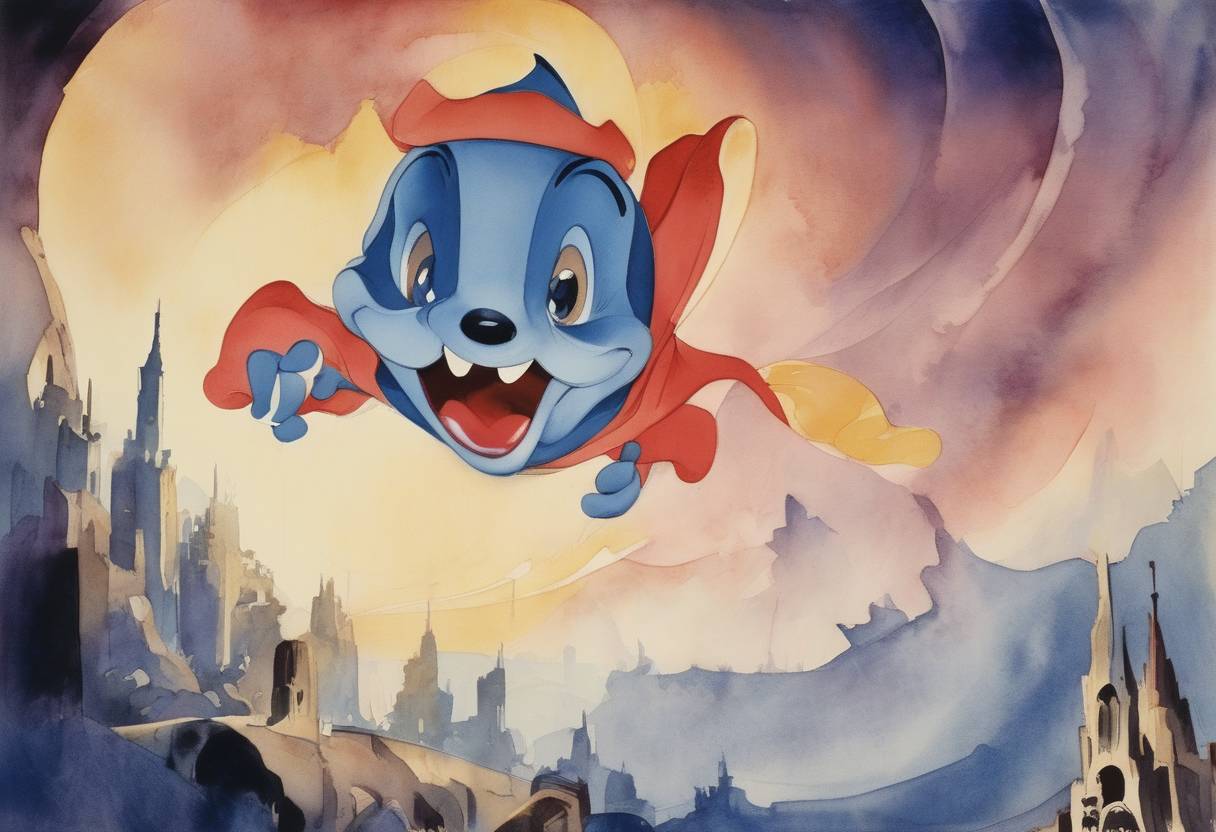
On November 13, 1940, Walt Disney’s animated film Fantasia premiered at the Broadway Theatre in New York City. This groundbreaking film was the third animated feature produced by Disney, following Snow White and the Seven Dwarfs (1937) and Pinocchio (1940). Fantasia is renowned for its innovative blend of classical music and animation, marking a significant milestone in both cinematic and musical history.
Concept: The idea for Fantasia originated from Disney’s desire to create a short film featuring Mickey Mouse set to classical music, specifically Paul Dukas’s “The Sorcerer’s Apprentice.” As the project evolved, it expanded into a full-length feature comprising eight animated segments, each set to a different piece of classical music.
Music and Animation: The film features compositions by renowned composers such as Johann Sebastian Bach, Pyotr Ilyich Tchaikovsky, Igor Stravinsky, and Ludwig van Beethoven. The Philadelphia Orchestra, conducted by Leopold Stokowski, performed the music, which was recorded using innovative techniques to ensure high-quality sound.
Innovations: Fantasia was one of the first films to use stereophonic sound, a precursor to modern surround sound systems. This technology, known as “Fantasound,” was developed specifically for the film to enhance the auditory experience.
Initial Reception: Upon its release, Fantasia received mixed reviews. While praised for its artistic ambition and technical achievements, it faced criticism for its unconventional format and lack of a cohesive narrative. The film’s high production costs and the expense of installing Fantasound in theaters also limited its initial commercial success.
Legacy: Over time, Fantasia gained recognition as a classic and a pioneering work in the animation genre. It has been re-released multiple times, each time reaching new audiences and solidifying its status as a cultural and artistic landmark.
Influence: The film’s innovative approach to combining music and animation has inspired countless filmmakers and animators. It demonstrated the potential of animation as a serious art form and expanded the possibilities for future animated features.
Fantasia stands as a testament to Walt Disney’s vision and willingness to push the boundaries of animation and sound. Its release on November 13, 1940, marked a significant moment in film history, showcasing the power of creativity and innovation in storytelling. Despite its initial challenges, Fantasia continues to be celebrated for its artistic achievements and enduring influence.
Source: en.wikipedia.org