Deepwater Horizon Oil Rig Explosion - April 20, 2010
2010 · Gulf of Mexico, United States
The Deepwater Horizon oil rig exploded in the Gulf of Mexico, leading to one of the largest environmental disasters in U.S. history.
August 5, 2015
The Environmental Protection Agency accidentally released three million gallons of toxic waste into the Animas River in Colorado, causing significant environmental damage.
Durango, United States | Environmental Protection Agency
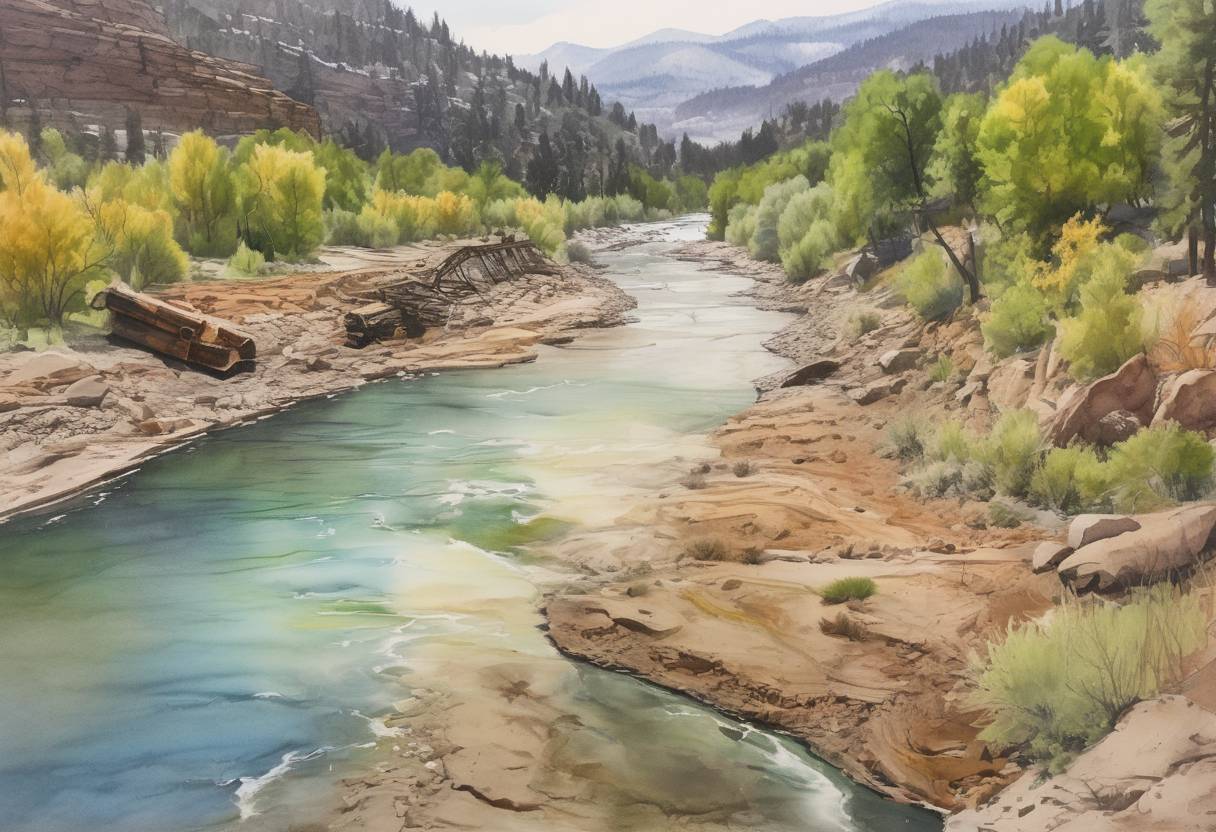
On August 5, 2015, a significant environmental disaster occurred when the Environmental Protection Agency (EPA) inadvertently released approximately three million gallons of toxic waste into the Animas River in Colorado. This event, known as the Gold King Mine spill, had substantial environmental and economic repercussions.
The Gold King Mine, located near Silverton, Colorado, was an abandoned mine that had been leaking toxic water for years. The mine contained heavy metals such as lead, arsenic, and cadmium, which are harmful to both the environment and human health. The EPA was conducting an investigation and remediation efforts to address the ongoing leakage from the mine.
During the EPA’s efforts to pump and treat the contaminated water, a miscalculation led to the accidental breach of a debris dam inside the mine. This breach released a massive volume of toxic wastewater into Cement Creek, a tributary of the Animas River. The spill turned the river a bright orange-yellow color, visibly indicating the presence of heavy metals and other pollutants.
The Gold King Mine spill highlighted the challenges of managing abandoned mines and the potential risks associated with remediation efforts. It underscored the need for improved oversight and preventive measures to protect water resources from similar incidents in the future. The event also sparked discussions about the responsibilities and accountability of federal agencies in environmental protection efforts.
In conclusion, the Animas River spill serves as a cautionary tale about the complexities of environmental management and the importance of careful planning and execution in remediation projects.
Source: en.wikipedia.org