The 1973 Oil Embargo and the Yom Kippur War
1973 · Vienna, Austria
OPEC announced an oil embargo against countries supporting Israel during the Yom Kippur War, leading to the 1973 oil crisis.
September 14, 1960
The Organization of the Petroleum Exporting Countries (OPEC) is founded at the Baghdad Conference by Iran, Iraq, Kuwait, Saudi Arabia, and Venezuela.
Baghdad, Iraq | OPEC
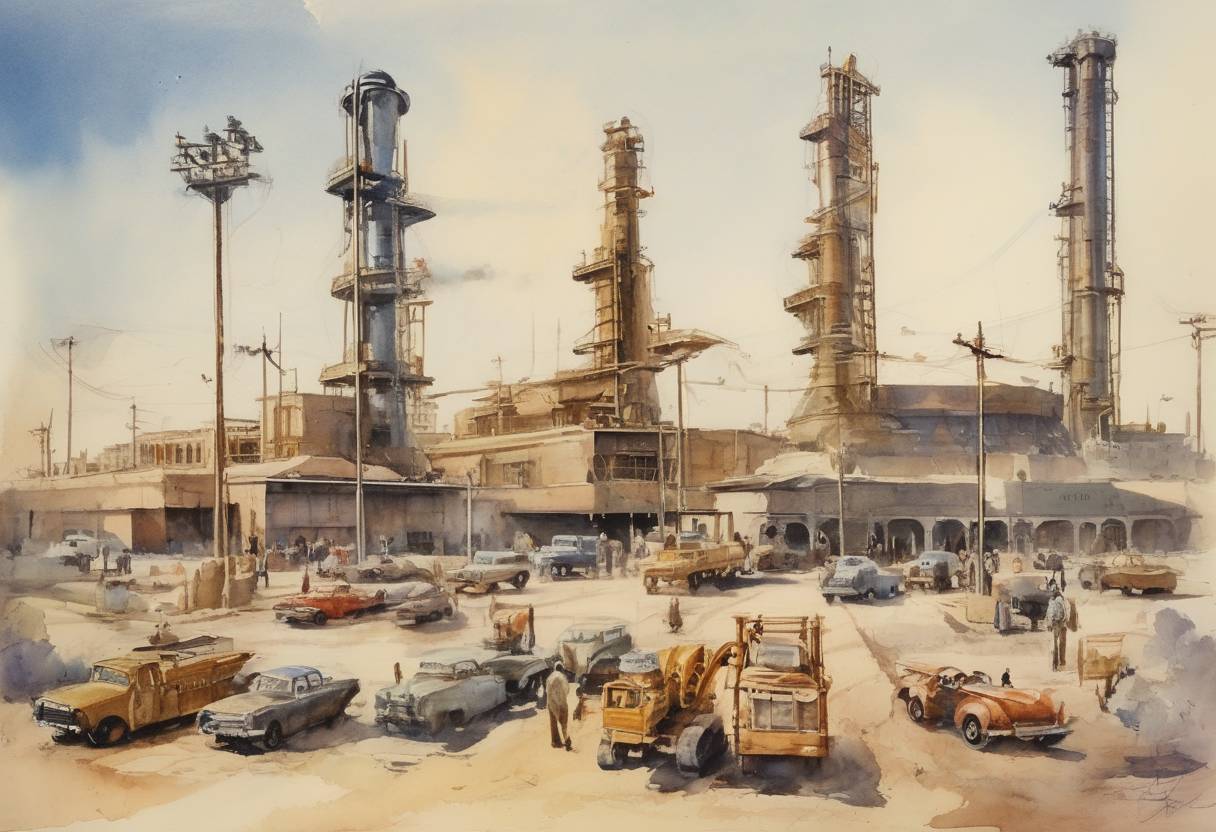
On September 14, 1960, the Organization of the Petroleum Exporting Countries (OPEC) was founded at the Baghdad Conference. This significant event marked a pivotal moment in the global oil industry and international economic relations. The founding members were Iran, Iraq, Kuwait, Saudi Arabia, and Venezuela. These countries came together with the shared goal of coordinating and unifying petroleum policies among member countries to secure fair and stable prices for petroleum producers.
In the years leading up to OPEC’s formation, the global oil market was dominated by a few multinational corporations, often referred to as the “Seven Sisters.” These companies had significant control over oil production and pricing, which often disadvantaged oil-producing countries. The founding nations of OPEC sought to assert greater control over their natural resources and ensure that they received a fair share of the revenue generated from oil production.
The founding of OPEC marked a shift in the balance of power in the global oil industry. It empowered oil-producing countries to have a greater say in the management of their resources and challenged the dominance of Western oil companies. Over the decades, OPEC has had to navigate complex challenges, including fluctuating oil demand, technological advancements, and environmental concerns, all while maintaining its relevance in a rapidly changing world.
OPEC’s establishment on September 14, 1960, remains a landmark event in the history of the global energy sector, illustrating the enduring impact of collective action among nations with shared economic interests.
Source: www.opec.org