Croatia Adopts the Euro and Joins the Schengen Area
2023 · Zagreb, Croatia
Croatia adopts the euro as its official currency and joins the Schengen Area, marking significant milestones in its European integration.
January 1, 2020
Croatia assumes the presidency of the Council of the European Union for the first time.
Zagreb, Croatia | European Union
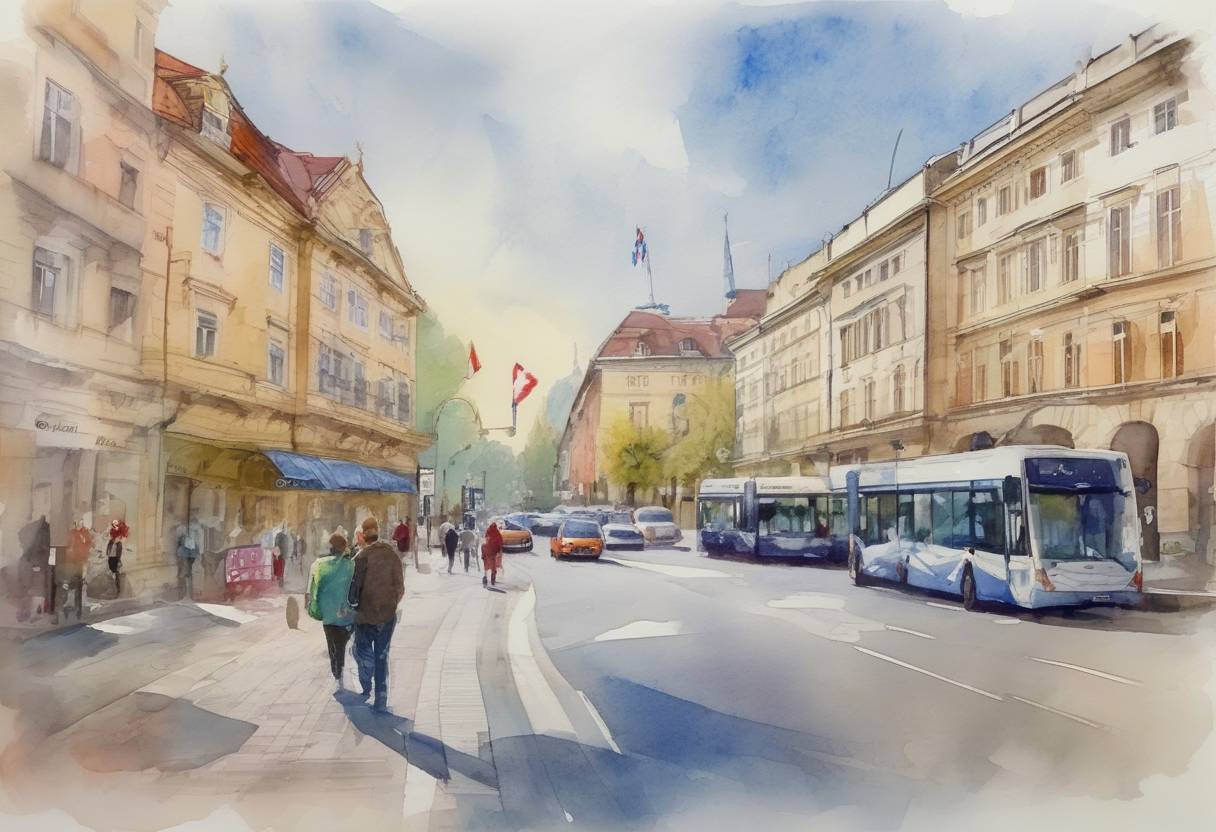
On January 1, 2020, Croatia assumed the presidency of the Council of the European Union for the first time since joining the EU in 2013. This marked a significant milestone for the country, reflecting its growing role and influence within the European Union.
The Council of the European Union, often referred to as the Council of Ministers, is one of the EU’s key decision-making bodies. It represents the governments of the EU member states and is responsible for coordinating policies, adopting legislation, and developing the EU’s foreign and security policy. The presidency of the Council rotates among the EU member states every six months, allowing each country to set priorities and influence the EU agenda.
During its presidency, Croatia focused on several key priorities under the motto “A Strong Europe in a World of Challenges.” These priorities included:
A Europe that Develops: Emphasizing economic growth and development, Croatia aimed to enhance competitiveness and innovation across the EU.
A Europe that Connects: Promoting infrastructure development and digital connectivity to improve the integration of EU markets and societies.
A Europe that Protects: Strengthening internal security, managing migration effectively, and enhancing the EU’s role in global affairs.
An Influential Europe: Fostering the EU’s influence on the global stage through a cohesive foreign policy and strategic partnerships.
Croatia’s presidency coincided with several significant events and challenges:
Brexit: The United Kingdom officially left the European Union on January 31, 2020, during Croatia’s presidency. Managing the transition and future EU-UK relations was a critical task.
Multiannual Financial Framework (MFF): Negotiations for the EU’s long-term budget for 2021-2027 were a major focus, requiring consensus among member states.
COVID-19 Pandemic: The outbreak of the COVID-19 pandemic in early 2020 posed unprecedented challenges, necessitating coordinated EU responses to health, economic, and social impacts.
Croatia’s presidency was notable for its handling of complex issues amidst unforeseen global challenges. The experience underscored the importance of EU unity and cooperation in addressing both internal and external pressures. Croatia’s leadership during this period contributed to shaping the EU’s strategic direction and highlighted the country’s commitment to European integration.
Overall, Croatia’s presidency of the Council of the European Union was a pivotal moment in its EU membership journey, demonstrating its capability to lead and influence European policy-making.
Source: eu2020.hr