Martin Luther King Jr.'s "I've Been to the Mountaintop" Speech
1968 · Memphis, United States
Martin Luther King Jr. delivered his famous "I've Been to the Mountaintop" speech in Memphis, Tennessee, the day before his assassination.
September 9, 1971
The Attica Prison riot began at the Attica Correctional Facility in New York, leading to a four-day standoff.
Attica, United States | New York State Department of Corrections
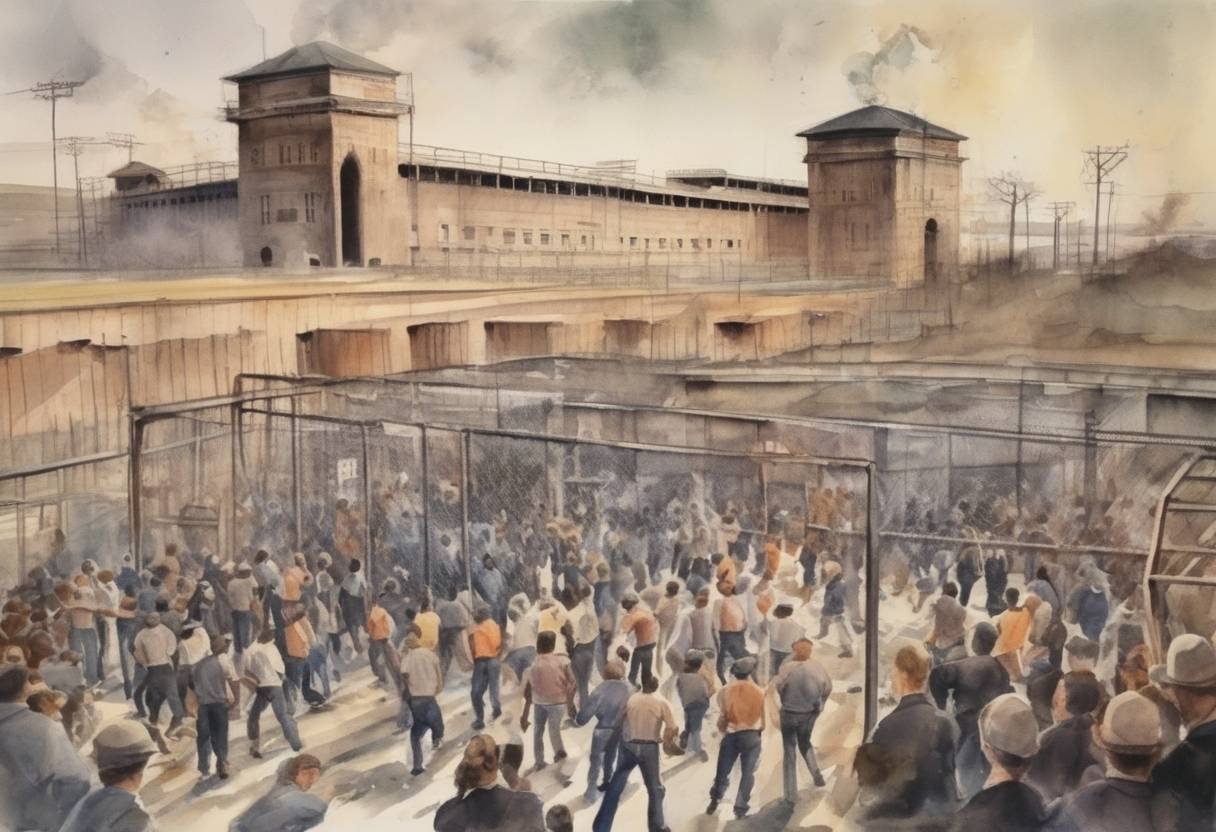
On September 9, 1971, one of the most significant prison uprisings in American history began at the Attica Correctional Facility in New York. This event unfolded over four days and highlighted critical issues regarding prison conditions and inmates’ rights.
Attica Correctional Facility, located in upstate New York, was notorious for its overcrowded conditions and harsh treatment of inmates. By the early 1970s, the prison housed approximately 2,250 inmates, significantly exceeding its intended capacity. The prisoners, many of whom were African American and Latino, faced systemic racism, inadequate medical care, and limited access to basic necessities and rehabilitation programs.
Tensions had been building for years, with inmates demanding better living conditions, educational opportunities, and fair treatment. The civil rights movement of the 1960s had also influenced prisoners, who were increasingly aware of their rights and the injustices they faced.
The uprising began on the morning of September 9, 1971, when a group of inmates overpowered guards and took control of a significant portion of the facility. The prisoners took 42 staff members hostage and demanded negotiations with authorities to address their grievances.
The inmates organized themselves and presented a list of 27 demands, which included improvements in living conditions, religious freedom, and the right to engage in political activities. They also requested amnesty for the riot’s participants and the removal of the prison’s superintendent.
For four days, negotiations took place between the inmates, state officials, and outside observers, including civil rights activists and journalists. The prisoners were determined to have their voices heard, and the situation drew national attention.
Despite ongoing negotiations, tensions remained high. The state government, led by New York Governor Nelson Rockefeller, was under pressure to resolve the situation. However, the negotiations failed to reach a peaceful resolution.
On September 13, 1971, authorities decided to retake the prison by force. State troopers and law enforcement officers stormed the facility, resulting in a violent confrontation. Tragically, 43 people died during the retaking, including 10 hostages and 33 inmates. The majority of the deaths were caused by gunfire from law enforcement.
The Attica Prison Riot had far-reaching consequences. It exposed the brutal conditions within the American prison system and sparked widespread public debate about prison reform and inmates’ rights. In the years following the riot, some reforms were implemented, but many issues highlighted by the uprising remain relevant today.
The event remains a poignant reminder of the need for humane treatment and reform within the penal system, as well as the importance of addressing systemic inequalities.
Source: www.britannica.com