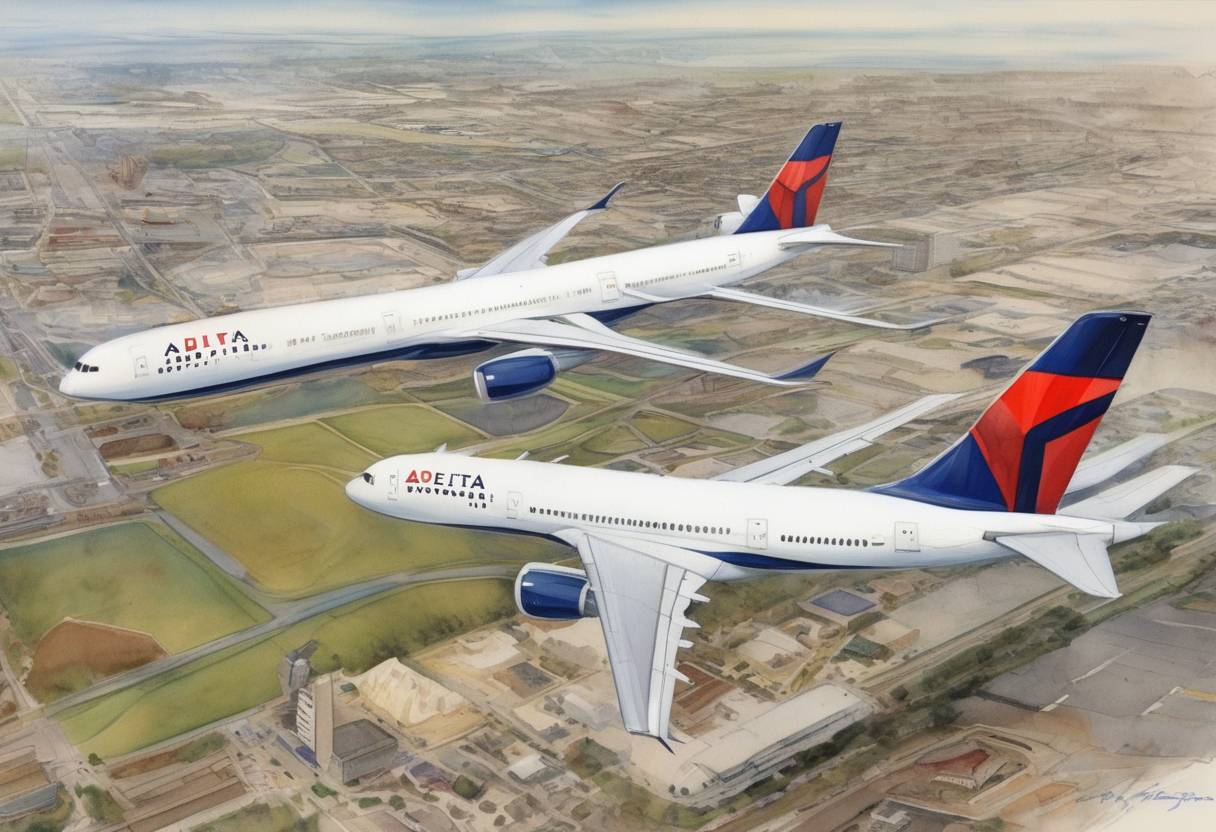
Delta Air Lines and Northwest Airlines Merger - October 29, 2008
On October 29, 2008, Delta Air Lines completed its merger with Northwest Airlines, marking a significant milestone in the aviation industry. This merger created the world’s largest airline at the time, both in terms of passenger traffic and fleet size. The consolidation was a strategic move aimed at enhancing operational efficiency, reducing costs, and expanding the global reach of the combined entity.
Context and Background
The early 2000s were a challenging period for the airline industry, characterized by rising fuel costs, economic downturns, and increased competition. These factors prompted many airlines to seek mergers and alliances as a means to survive and thrive. Delta Air Lines, headquartered in Atlanta, Georgia, and Northwest Airlines, based in Eagan, Minnesota, were both looking to strengthen their market positions.
Key Events Leading to the Merger
Financial Pressures: Both airlines faced significant financial pressures, with Delta emerging from bankruptcy in 2007 and Northwest following suit in the same year. The merger was seen as a way to stabilize their financial standings.
Regulatory Approval: The merger required approval from the U.S. Department of Justice, which was granted after a thorough review. The approval was contingent on the assurance that the merger would not significantly reduce competition in the airline industry.
Shareholder Agreement: Shareholders of both companies approved the merger, recognizing the potential for increased profitability and market share.
The Merger
The merger was valued at approximately $2.6 billion and was structured as an all-stock transaction. Delta retained its name and branding, with its headquarters remaining in Atlanta. The combined airline operated under a single operating certificate, which was fully integrated by 2010.
Impact and Aftermath
Operational Efficiency: The merger allowed Delta to streamline operations, optimize routes, and achieve economies of scale. This was particularly important in reducing costs associated with fuel and maintenance.
Global Reach: The merger expanded Delta’s international presence, particularly in Asia, where Northwest had a strong network. This positioned Delta as a more formidable competitor on the global stage.
Industry Trend: The Delta-Northwest merger set a precedent for further consolidation in the airline industry. It was followed by other significant mergers, such as United Airlines with Continental Airlines in 2010 and American Airlines with US Airways in 2013.
Broader Historical Significance
The merger of Delta and Northwest Airlines was a pivotal moment in the history of commercial aviation. It highlighted the necessity for airlines to adapt to changing economic conditions and competitive landscapes. The consolidation trend reshaped the industry, leading to fewer, but larger, carriers that could offer more comprehensive services to passengers worldwide.
Overall, the Delta-Northwest merger exemplified the strategic realignments that characterized the airline industry in the 21st century, setting the stage for a more interconnected and efficient global air travel network.