Establishment of Yellowstone National Park: March 1, 1872
1872 · Yellowstone, United States
Yellowstone National Park was established as the first national park in the world, marking a significant step in the conservation movement.
August 25, 1916
The United States National Park Service is created.
Washington, D.C., United States | United States government
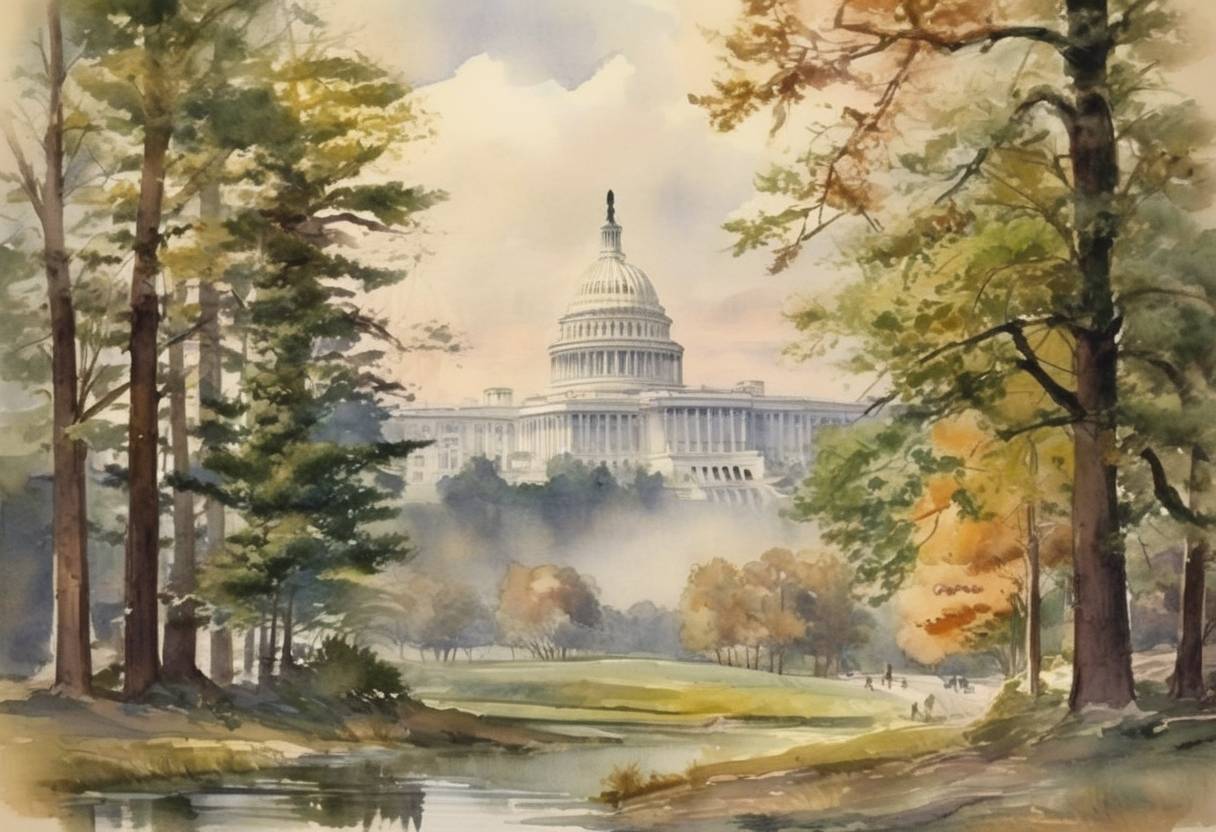
On August 25, 1916, the United States National Park Service (NPS) was officially established when President Woodrow Wilson signed the Organic Act into law. This pivotal moment in American conservation history marked the formal creation of a federal bureau within the Department of the Interior, tasked with managing and preserving the national parks and monuments across the United States.
The establishment of the National Park Service was the culmination of a growing conservation movement in the United States during the late 19th and early 20th centuries. This movement was driven by the recognition of the need to protect the nation’s natural landscapes and cultural heritage from the pressures of industrialization and urban expansion.
The Organic Act of 1916 laid the foundation for the National Park Service’s mission and responsibilities. It articulated the dual mandate of the NPS:
The creation of the National Park Service was a significant step in the institutionalization of conservation efforts in the United States. It provided a structured and unified approach to managing the growing number of national parks and monuments.
The establishment of the National Park Service is a landmark in the global conservation movement, influencing the creation of similar agencies and protected areas worldwide. It reflects a broader societal recognition of the importance of preserving natural and cultural resources for public benefit and future generations.
The founding of the National Park Service on August 25, 1916, represents a commitment to balancing conservation with public enjoyment. It has played a crucial role in protecting America’s natural and cultural heritage, ensuring that these treasures remain accessible and preserved for all. The NPS continues to be a vital steward of the nation’s most cherished landscapes and historical sites.
Source: en.wikipedia.org