Moldova's Declaration of Independence from the Soviet Union
1991 · Chișinău, Moldova
Moldova declared its independence from the Soviet Union, part of the larger dissolution of the USSR.
September 2, 1990
Transnistria declares independence from the Moldavian SSR.
Tiraspol, Transnistria
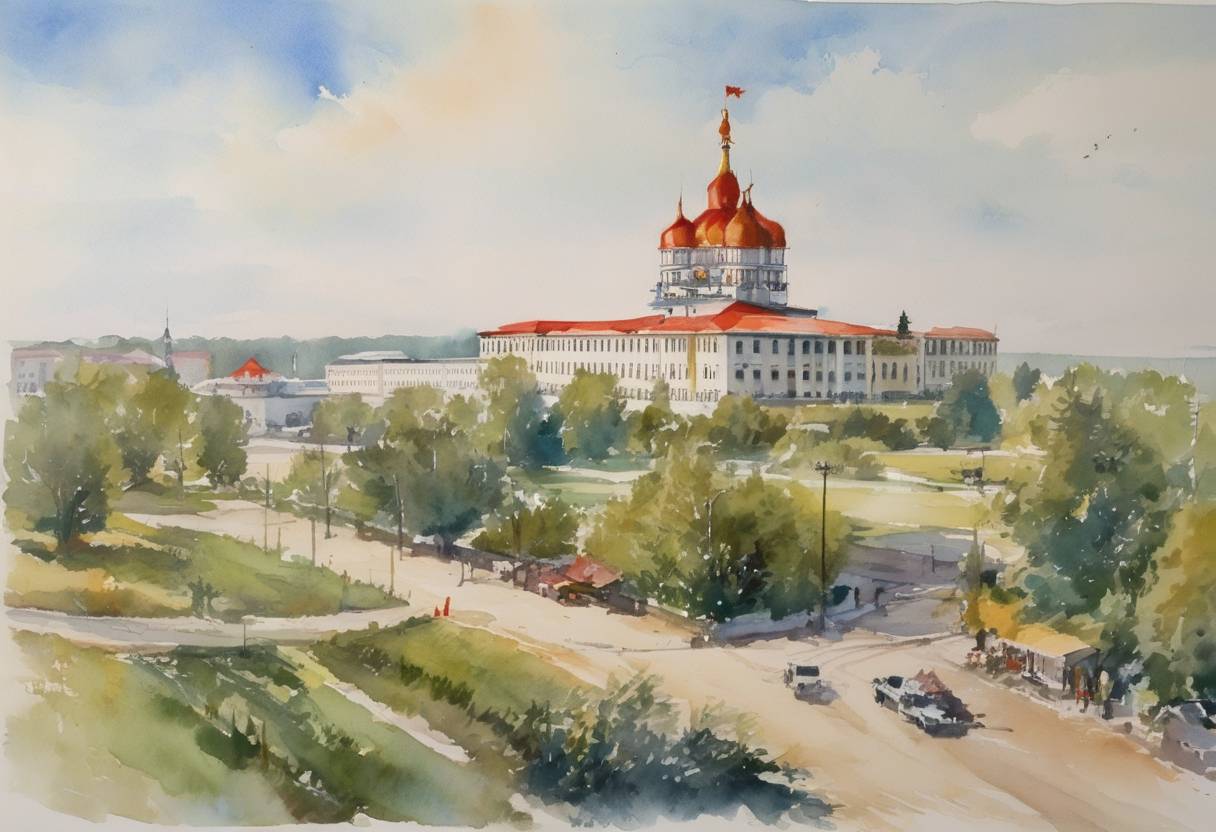
On September 2, 1990, the region of Transnistria, officially known as the Pridnestrovian Moldavian Soviet Socialist Republic (PMSSR), declared independence from the Moldavian SSR. This declaration marked the beginning of a prolonged and unresolved territorial conflict in Eastern Europe.
The declaration of independence by Transnistria was primarily driven by ethnic and political tensions. During the late 1980s, the Moldavian SSR was experiencing a rise in nationalist movements, notably the Popular Front of Moldova, advocating closer ties with Romania. This sentiment created apprehension among the significant Russian-speaking population in the eastern region of Transnistria. The fear of potential unification with Romania stirred concerns over cultural and linguistic marginalization.
Perestroika and Glasnost: The policies of perestroika and glasnost initiated by Soviet leader Mikhail Gorbachev in the mid-1980s contributed to the loosening of centralized control and the rise of nationalist sentiments in various Soviet republics, including Moldova.
Moldovan Nationalism: As the Popular Front gained influence, it pushed for the Moldovan language’s official status and the return to the Romanian Latin script, further alienating the Russian-speaking population.
Formation of the PMSSR: In response to these developments, pro-Soviet leaders in Transnistria established the PMSSR as a counter-move to preserve their cultural identity and political alignment with the Soviet Union.
On September 2, 1990, in the city of Tiraspol, the leaders of Transnistria formally declared independence from Moldova. This act was primarily symbolic, as the international community, including the newly sovereign Moldova and the Soviet Union, did not acknowledge the breakaway republic’s status.
Conflict: The declaration of independence eventually led to armed conflict between Moldovan forces and Transnistrian separatists, supported by Russian elements, in 1992. The brief but intense conflict culminated in a ceasefire brokered by Russia.
Status Quo: Since the conflict, Transnistria has maintained de facto independence, operating with its own government, military, and currency, although it remains unrecognized by any United Nations member state.
Ongoing Tensions: The region remains a point of tension in Moldova-Russia relations and a significant issue in European security discussions.
The situation in Transnistria is illustrative of the complexities faced by post-Soviet states in managing ethnic diversity and national sovereignty in the wake of the Soviet Union’s dissolution. It also highlights the challenges of unrecognized states operating in the international system and serves as a reminder of unresolved conflicts within Europe’s borders.
Source: en.wikipedia.org