Anesthetic Ether Used for the First Time by Dr. William Morton
1846 · Boston, United States
Anesthetic ether is used for the first time by American dentist Dr. William Morton during a tooth extraction.
October 12, 1928
An iron lung respirator was used for the first time at the Boston Children's Hospital to assist a child suffering from diphtheria.
Boston, United States | Boston Children's Hospital
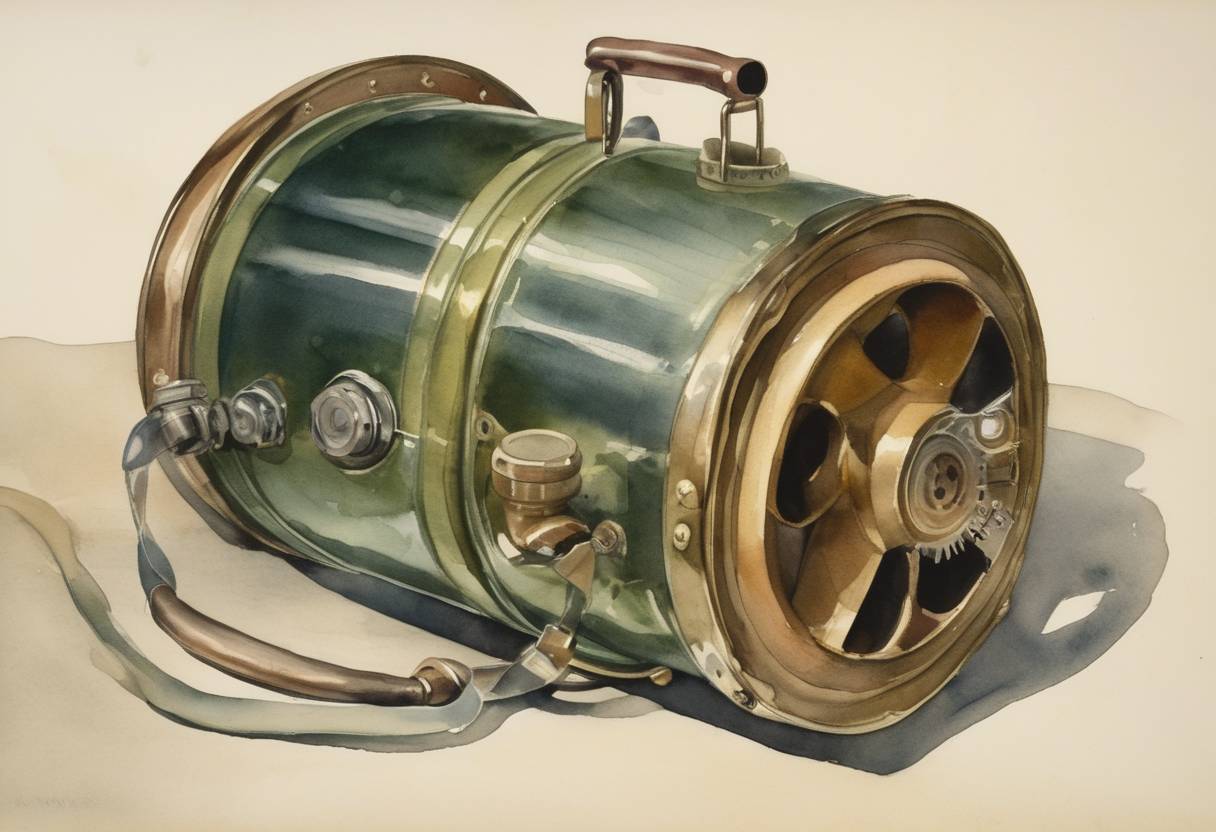
On October 12, 1928, a groundbreaking moment in medical history occurred at the Boston Children’s Hospital with the first use of the iron lung respirator. This revolutionary device was employed to save the life of an eight-year-old girl suffering from respiratory failure due to diphtheria, a bacterial infection that was once a leading cause of death in children.
Diphtheria is an infection caused by the bacterium Corynebacterium diphtheriae. It primarily affects the mucous membranes of the throat and nose, and in severe cases, can lead to breathing difficulties, heart failure, paralysis, and even death. Prior to widespread immunization efforts, diphtheria posed a significant public health threat.
The iron lung, or Drinker respirator, was invented by Philip Drinker and Louis Agassiz Shaw at Harvard University in 1928. It operates on the principle of creating negative pressure around the patient’s thoracic cavity to stimulate breathing. This process mimicked natural respiratory movements, essentially helping patients breathe when they were unable to do so on their own.
When the young girl arrived at Boston Children’s Hospital with severe diphtheria, her condition required immediate intervention to enable her to breathe. Doctors utilized the recently developed iron lung to stabilize her respiratory function. The success of the treatment marked a significant turning point, as it provided a viable option for treating patients with paralytic diseases that impair breathing.
The success of the iron lung in this case paved the way for its widespread use during the poliomyelitis (polio) epidemics in the 20th century, notably in the 1940s and 1950s. The device became synonymous with treatment for polio sufferers who experienced respiratory muscle paralysis.
The introduction of the iron lung marked an advance in medical technology that not only saved numerous lives but also helped propel further innovations in respiratory care. Its development reflected the broader trends in biomedical engineering and emergency medicine during the early 20th century.
The achievements at Boston Children’s Hospital on October 12, 1928, underscored the critical role of innovation in medical devices. While the use of modern ventilators has largely replaced iron lungs today, the legacy of their invention remains central to the history of medical technology and emergency respiratory care.
Source: en.wikipedia.org