The 1934 Plebiscite in Germany: Adolf Hitler Becomes Führer
1934 · Berlin, Germany
A plebiscite in Germany gives Adolf Hitler complete power as Führer.
December 20, 1924
Adolf Hitler is released from Landsberg Prison.
Landsberg am Lech, Germany | N/A
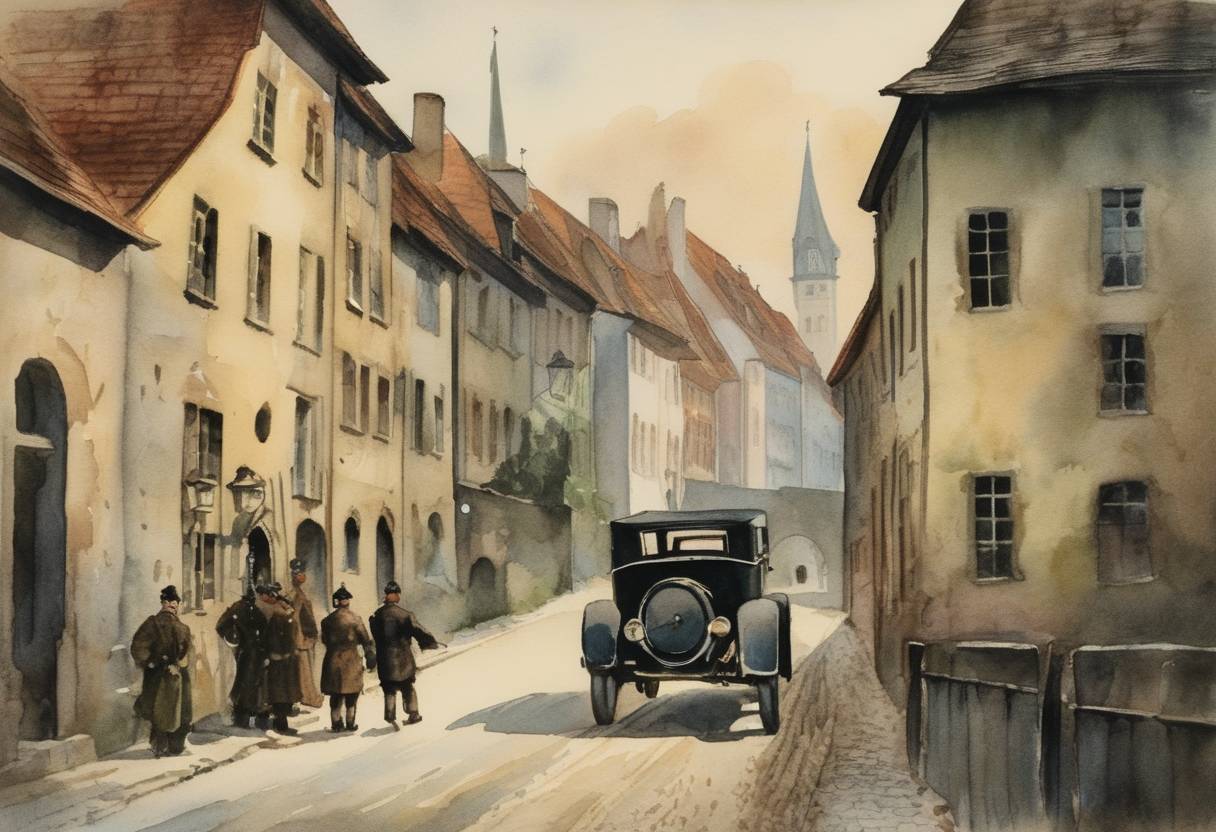
On December 20, 1924, Adolf Hitler was released from Landsberg Prison, where he had been incarcerated for his role in the failed Beer Hall Putsch of November 8-9, 1923. This coup attempt aimed to overthrow the Weimar Republic and establish a right-wing national government in Germany. The putsch failed, leading to Hitler’s arrest and subsequent conviction for treason.
In the early 1920s, Germany was in a state of economic and political turmoil, largely due to the repercussions of World War I and the Treaty of Versailles. Hitler, as the leader of the National Socialist German Workers’ Party (NSDAP), sought to capitalize on widespread discontent by orchestrating an uprising in Munich. However, the putsch’s swift failure resulted in Hitler’s arrest, and he was sentenced to five years in Landsberg Prison, although he served only about nine months.
While in prison, Hitler used the time to reflect on his political strategy and began dictating “Mein Kampf” (“My Struggle”) to his fellow inmate Rudolf Hess. This book outlined his ideology, including his expansionist plans and virulent anti-Semitic views. The manifesto would become the philosophical foundation of the Nazi movement.
Upon his release, Hitler found the NSDAP in disarray, but he quickly set about reorganizing the party. During his imprisonment, he realized the need to pursue power through legal means rather than violent overthrow. Consequently, he focused on gaining political strength within the existing democratic system, utilizing propaganda and political maneuvering to increase the party’s influence.
Hitler’s time in Landsberg and subsequent release marked a pivotal moment in his political career. His imprisonment served as a period of reflection and consolidation, allowing him to refine his ideas and strategies. The shift in approach led to the NSDAP’s eventual rise to power and Hitler’s appointment as Chancellor of Germany in 1933. This event was a step that ultimately set the stage for the establishment of Nazi Germany, the outbreak of World War II, and the Holocaust.
Understanding the significance of Hitler’s imprisonment and release is crucial in comprehending the subsequent rise of the Nazi regime and its catastrophic impact on global history.
Source: www.britannica.com