British Occupation of the Cape Colony - January 19, 1806
1806 · Cape Town, South Africa
The United Kingdom occupied the Cape Colony in South Africa, marking the beginning of British rule.
October 1, 1829
South African College is established in Cape Town, which later becomes the University of Cape Town.
Cape Town, South Africa | South African College
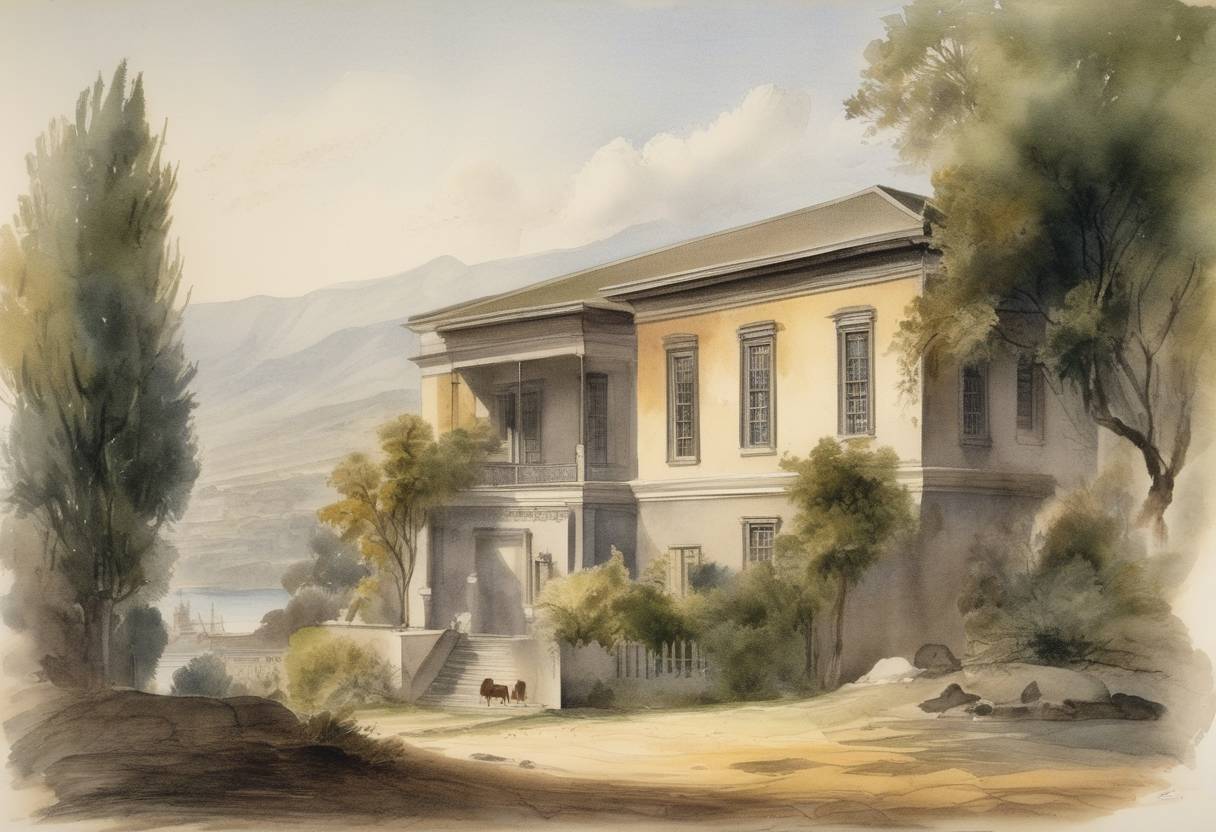
On October 1, 1829, the South African College was established in Cape Town, marking a significant development in South Africa’s educational landscape. This institution laid the foundation for what would eventually become the University of Cape Town (UCT), one of Africa’s leading universities.
In the early 19th century, Cape Town was under British colonial rule after the British reoccupation of the Cape Colony in 1806. The need for a higher education institution arose amidst increasing demands for educated individuals who could contribute to the colony’s administrative and economic activities. The establishment of the South African College represented a strategic move to cultivate local talent and provide higher education opportunities within the colony.
The formal transition from the South African College to the University of Cape Town was completed in 1918. This change reflected the growth in academic breadth and depth that the institution had achieved over the nearly 90 years since its founding. UCT expanded its faculties and became known for its research output and academic excellence.
The establishment of the South African College marked the beginning of structured tertiary education in Southern Africa. It played a critical role not only in advancing education within the colony but also in setting standards for higher learning in the region. It became a model for other institutions, contributing to the intellectual and cultural development of South Africa.
Today, the legacy of the South African College as a precursor to UCT is remembered as a cornerstone in the history of South African education, symbolizing progress, adaptation, and the pursuit of knowledge in a changing world.
Source: www.sahistory.org.za