Live 8 Concerts - July 2, 2005
2005 · Various, Various
Live 8 concerts were held in various cities around the world to raise awareness of poverty in Africa and pressure G8 leaders to take action.
July 13, 1985
Live Aid, a dual-venue benefit concert organized by Bob Geldof and Midge Ure, was held to raise funds for relief of the ongoing Ethiopian famine.
London and Philadelphia, United Kingdom and United States | Live Aid
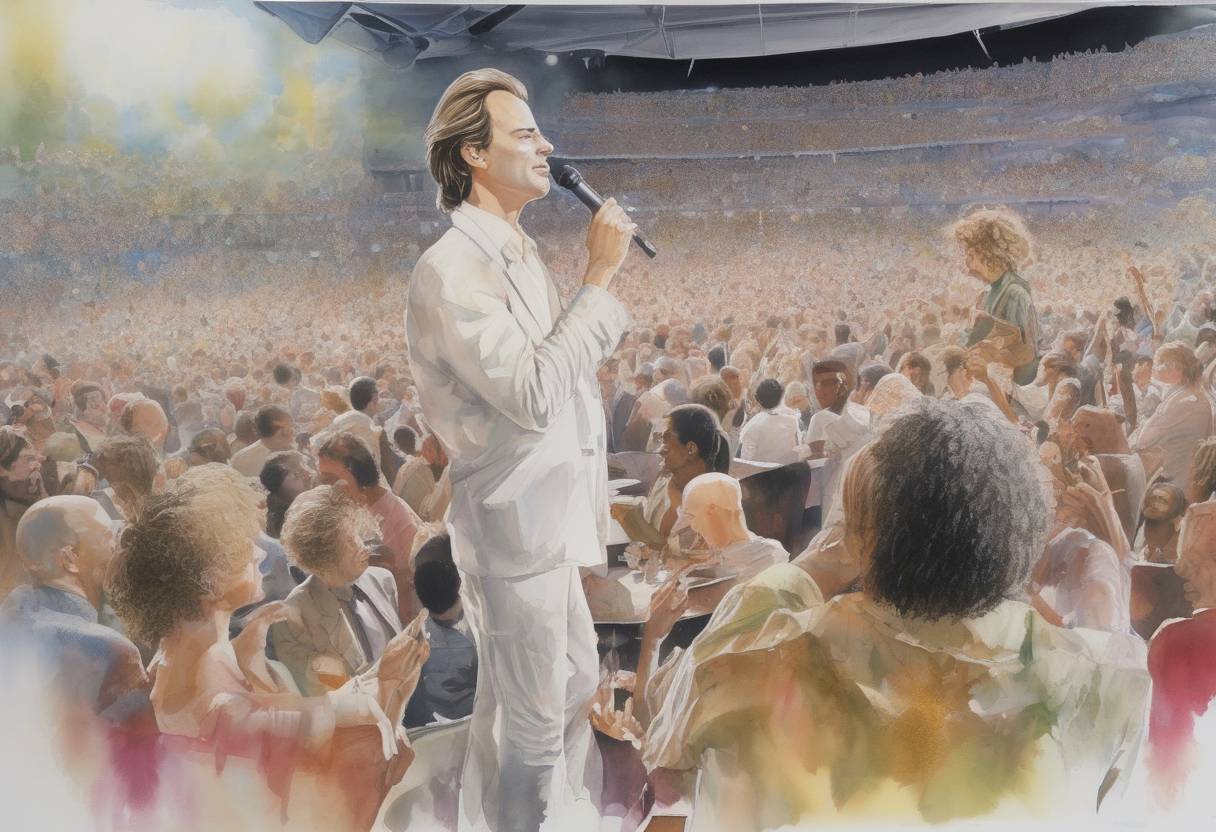
Date: July 13, 1985
Purpose: Live Aid was a dual-venue benefit concert organized by Bob Geldof and Midge Ure to raise funds for the relief of the ongoing Ethiopian famine. It became one of the largest-scale satellite link-ups and television broadcasts of all time, reaching an estimated 1.9 billion viewers across 150 nations.
In the mid-1980s, Ethiopia was suffering from a severe famine that resulted in the deaths of hundreds of thousands of people. The crisis garnered international attention, and musicians Bob Geldof and Midge Ure were inspired to take action. They initially organized the charity single “Do They Know It’s Christmas?” in 1984, which was a massive success. Building on this momentum, they conceived Live Aid as a way to further raise awareness and funds.
Live Aid was held simultaneously at two main venues:
Wembley Stadium in London, England: The concert began at 12:00 PM BST and featured performances by some of the biggest names in music.
John F. Kennedy Stadium in Philadelphia, USA: The concert started at 8:51 AM EDT, allowing for a continuous broadcast as the event moved across time zones.
The concert featured a star-studded lineup, including:
The event was broadcast live on television and radio, with the BBC covering the UK and ABC and MTV handling the US broadcast. The global reach of the concert was unprecedented, with an estimated 1.9 billion people tuning in.
Live Aid raised over £125 million (approximately $127 million at the time) for famine relief. The funds were used to provide food, medical aid, and other essential supplies to those affected by the famine in Ethiopia.
Live Aid is remembered not only for its humanitarian impact but also for its cultural significance. It demonstrated the power of music as a unifying force and set a precedent for future benefit concerts. The event highlighted the potential of global media to bring attention to humanitarian crises and inspired similar initiatives, such as the 2005 Live 8 concerts.
The success of Live Aid had a lasting impact on the music industry and charity events. It showed that musicians could leverage their influence for social good, and it paved the way for future collaborations between artists and humanitarian causes.
In summary, Live Aid was a landmark event in both music and humanitarian history, showcasing the power of collective action and the global community’s capacity for empathy and support.
Source: en.wikipedia.org