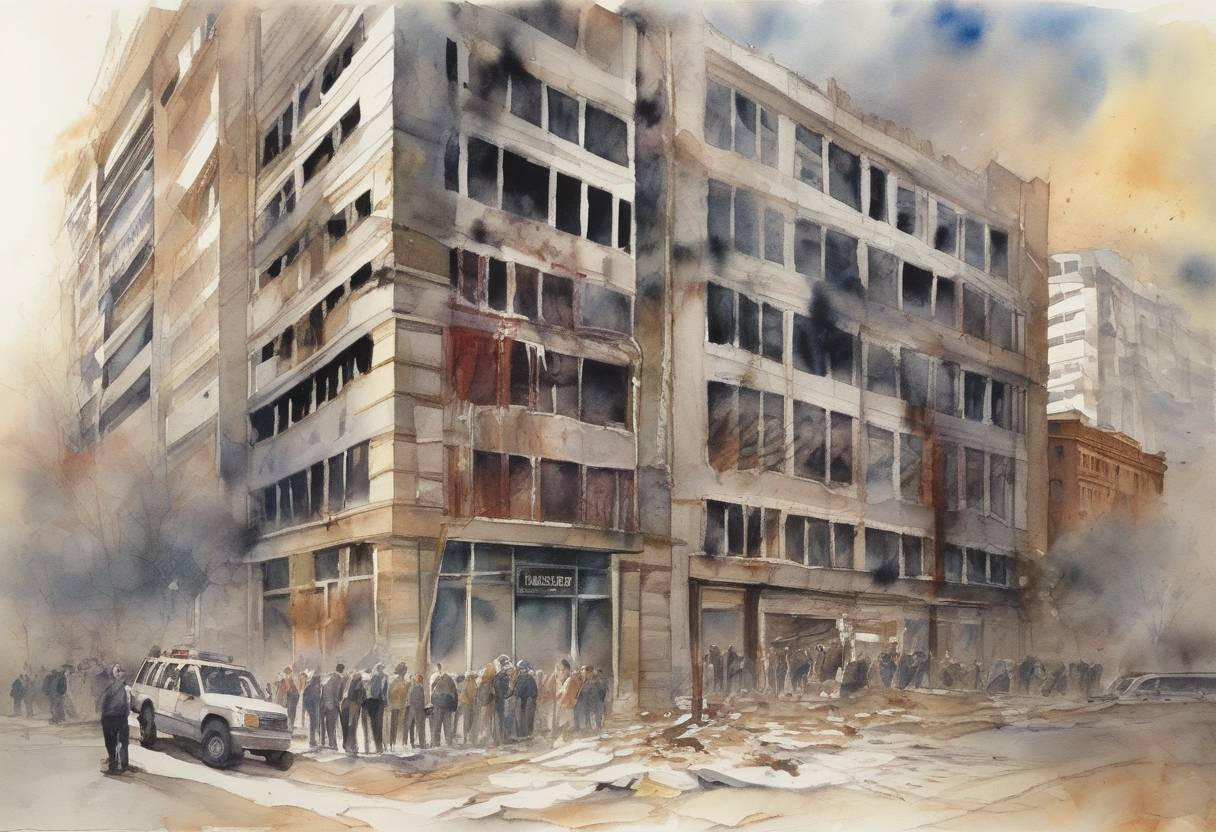
AMIA Bombing: July 18, 1994
On July 18, 1994, a devastating terrorist attack targeted the Argentine Jewish Mutual Association (AMIA) building in Buenos Aires, Argentina. This tragic event stands as one of the deadliest attacks in Argentine history, resulting in the deaths of 85 individuals and injuring over 300 others.
Background
The AMIA building served as the central hub for the Jewish community in Argentina, which is one of the largest in Latin America. The attack occurred in a period marked by rising tensions and previous incidents targeting Jewish sites, including the 1992 bombing of the Israeli Embassy in Buenos Aires.
The Attack
- Time and Method: The attack took place at approximately 9:53 AM local time. A van loaded with explosives was driven into the AMIA building, causing a massive explosion that led to the building’s collapse.
- Casualties: The explosion killed 85 people, including employees, visitors, and passersby, and injured over 300 others. The blast caused extensive damage to the surrounding area, affecting nearby buildings and infrastructure.
Investigation and Aftermath
- Initial Response: The immediate aftermath saw a chaotic rescue operation as emergency services and volunteers worked tirelessly to search for survivors and recover bodies from the rubble.
- Investigation Challenges: The investigation into the bombing faced numerous challenges, including allegations of corruption, cover-ups, and inefficiencies within the Argentine judicial system. These issues have significantly hindered the pursuit of justice for the victims and their families.
- International Implications: The attack had significant international implications, with suspicions of involvement by foreign entities, including Iran and Hezbollah. Despite these allegations, securing convictions has been fraught with difficulties.
Broader Historical Significance
- Impact on Jewish Community: The bombing profoundly affected the Jewish community in Argentina, heightening security concerns and prompting calls for greater protection and justice.
- Political and Social Repercussions: The failure to adequately resolve the case has led to widespread criticism of the Argentine government and judicial system, highlighting issues of corruption and inefficiency.
- Ongoing Pursuit of Justice: Efforts to bring those responsible to justice continue, with various legal proceedings and international pressure aimed at uncovering the truth and holding perpetrators accountable.
The AMIA bombing remains a poignant reminder of the devastating impact of terrorism and the enduring quest for justice and accountability in its aftermath.