The Fall of Acre: May 10, 1291
1291 · Acre, Israel
The city of Acre, the last major stronghold of the Crusader states in the Holy Land, fell to the Mamluks, marking the end of Crusader presence in the region.
May 18, 1291
The city of Acre, the last major Crusader stronghold in the Holy Land, falls to the Mamluks, marking the end of Crusader presence in the region.
Acre, Israel | Mamluk Sultanate
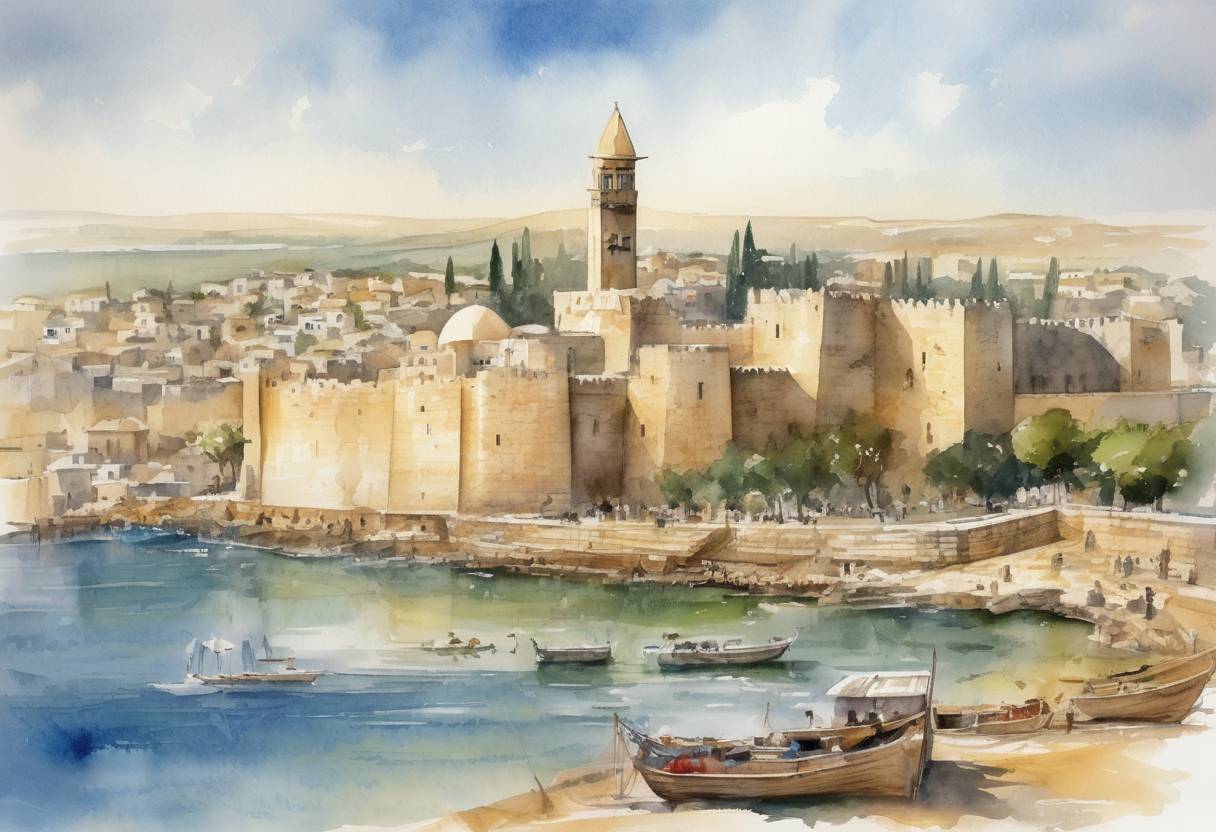
On May 18, 1291, the city of Acre, the last significant Crusader stronghold in the Holy Land, fell to the Mamluks, marking a pivotal moment in the history of the Crusades and the end of Crusader presence in the region.
The Crusades were a series of religious and military campaigns initiated by European Christians in the late 11th century, aimed at reclaiming the Holy Land from Muslim control. Over the centuries, various Crusader states were established in the Levant, with Acre becoming a vital stronghold due to its strategic location and prosperous port.
The Mamluks, originally slave soldiers, rose to power in Egypt and established a sultanate in the mid-13th century. Under leaders like Sultan Baibars and later Sultan Al-Ashraf Khalil, the Mamluks were determined to expel the Crusaders from the Levant. They systematically captured Crusader territories, leaving Acre as the last major bastion by the late 13th century.
In April 1291, Sultan Al-Ashraf Khalil led a large Mamluk army to besiege Acre. The city was defended by a coalition of Crusader forces, including the Knights Templar, Knights Hospitaller, and other European knights. Despite their efforts, the defenders were outnumbered and outmaneuvered.
The fall of Acre marked the end of nearly two centuries of Crusader presence in the Holy Land. The loss was a significant blow to European Christendom and effectively ended the era of the Crusader states in the Levant.
The fall of Acre is a defining moment in medieval history, symbolizing the end of an era of religious warfare and the beginning of new political dynamics in the Middle East.
Source: en.wikipedia.org