The Opening of The Shard in London
2013 · London, United Kingdom
The Shard, the tallest building in the European Union at the time, was officially opened to the public in London, UK.
January 16, 2013
A helicopter crashed into a crane on a building in central London, resulting in two deaths and multiple injuries.
London, United Kingdom | Civil Aviation Authority
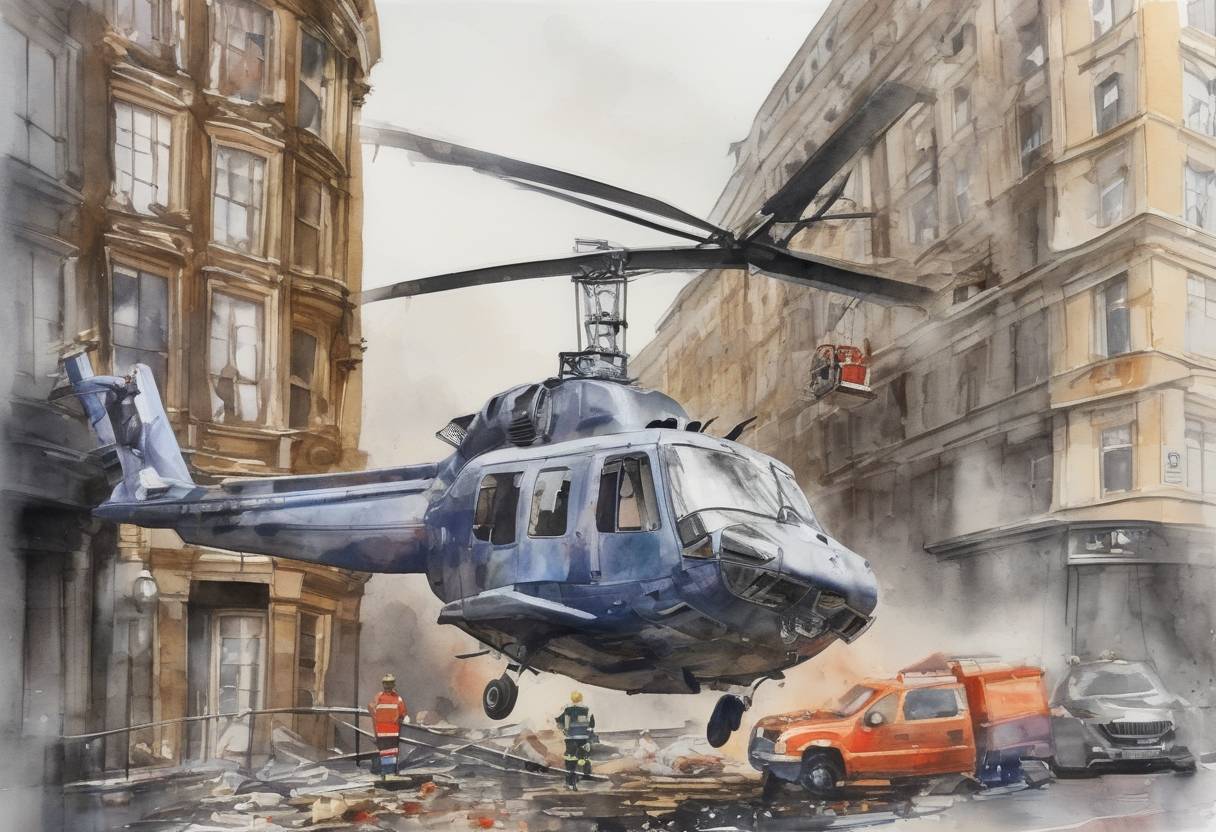
On January 16, 2013, a tragic accident occurred in central London when a helicopter collided with a crane on top of a building, resulting in two fatalities and multiple injuries. This incident took place during the morning rush hour, around 8:00 AM, causing significant disruption and raising concerns about aviation safety in urban areas.
Location: The crash occurred near the Vauxhall area of London, a busy district known for its proximity to major transport hubs and the River Thames. The crane was situated on top of The Tower, One St George Wharf, a residential skyscraper under construction at the time.
Helicopter Details: The aircraft involved was an AgustaWestland AW109, a light, twin-engine helicopter. It was being piloted by Captain Pete Barnes, an experienced pilot with a background in both commercial and film industry flying.
Weather Conditions: On the morning of the crash, London was experiencing low cloud cover and fog, which significantly reduced visibility. These adverse weather conditions were a critical factor in the accident.
Casualties: The crash resulted in the deaths of the pilot, Captain Pete Barnes, and a pedestrian, Matthew Wood, who was struck by debris on the ground. Additionally, twelve people sustained injuries, primarily due to falling debris and the ensuing chaos.
Immediate Response: Emergency services responded swiftly to the scene, with firefighters, police, and medical personnel working to secure the area and assist the injured. The incident led to road closures and significant traffic disruptions in central London.
Investigation: The Air Accidents Investigation Branch (AAIB) conducted a thorough investigation into the crash. Their report highlighted the challenging weather conditions and the pilot’s attempt to divert to a nearby heliport as contributing factors.
Safety Measures: In the wake of the accident, there was a renewed focus on aviation safety, particularly concerning helicopter flights over densely populated urban areas. Discussions included improving visibility requirements and reviewing flight paths to minimize risks.
Public Reaction: The crash shocked the public and raised awareness about the potential dangers of urban aviation. It also prompted discussions about the regulation of construction cranes and their visibility to aircraft.
This incident underscored the complexities of managing air traffic in major cities and the importance of stringent safety protocols. It also highlighted the need for continuous evaluation of urban planning and construction practices to ensure the safety of both air and ground operations.
The helicopter crash in Vauxhall remains a poignant reminder of the potential hazards associated with aviation in urban environments and the critical importance of safety measures to prevent similar tragedies in the future.
Source: www.bbc.com