The Third Council of Toledo: Visigothic Conversion from Arianism to Catholicism
Background
The Third Council of Toledo, which began on May 9, 589, was a pivotal moment in the religious and political history of the Visigothic Kingdom in Hispania (modern-day Spain and Portugal). The Visigoths, a Germanic tribe that had settled in the Iberian Peninsula, were originally adherents of Arian Christianity, a branch of Christianity that was considered heretical by the Roman Catholic Church due to its belief that Jesus Christ was not co-eternal with God the Father.
Key Events Leading Up to the Council
Visigothic Rule: The Visigoths had established their rule in Hispania after the fall of the Western Roman Empire. Their Arian faith often put them at odds with the predominantly Catholic Hispano-Roman population.
Political and Religious Tensions: The religious divide between the Arian Visigothic rulers and their Catholic subjects created significant social and political tensions. This division was a source of instability within the kingdom.
King Reccared I: The conversion of the Visigothic King Reccared I to Catholicism was a crucial precursor to the council. Reccared ascended to the throne in 586 and recognized the need for religious unity to strengthen his kingdom.
The Council
Date and Location: The Third Council of Toledo convened on May 9, 589, in the city of Toledo, which was the capital of the Visigothic Kingdom.
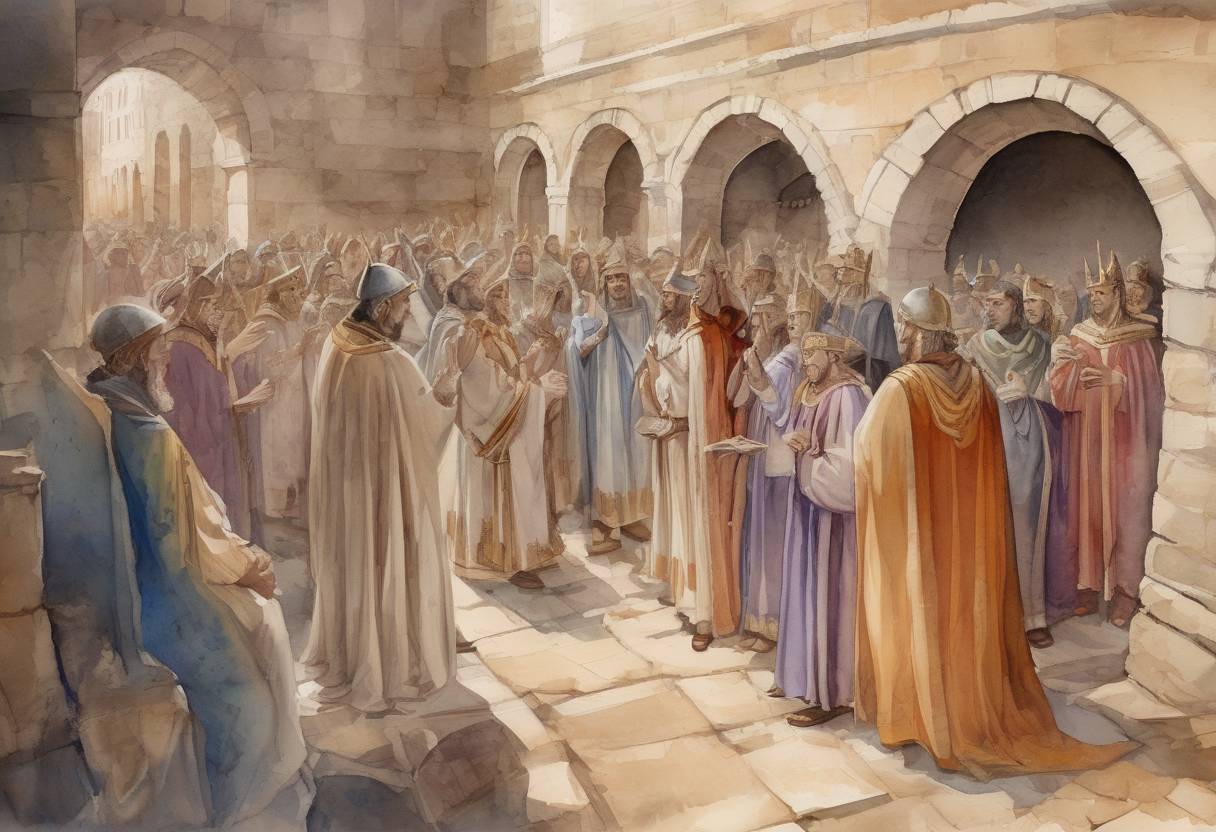
Participants: The council was attended by numerous bishops and church officials from across the kingdom, representing both Arian and Catholic factions.
Decisions and Decrees: The most significant outcome of the council was the formal renunciation of Arianism by King Reccared I and the adoption of Catholicism as the official religion of the Visigothic Kingdom. The council issued decrees that condemned Arianism and affirmed the Nicene Creed, which articulated the Catholic doctrine of the Trinity.
Aftermath and Significance
Religious Unity: The conversion of the Visigothic Kingdom to Catholicism helped to unify the diverse populations within the kingdom under a single religious framework, reducing internal conflicts.
Strengthening of the Catholic Church: The council marked a significant victory for the Catholic Church in its efforts to suppress Arianism and consolidate its influence in Western Europe.
Cultural and Political Impact: The conversion facilitated closer ties between the Visigothic Kingdom and other Catholic kingdoms in Europe, influencing the cultural and political landscape of the region.
Legacy: The Third Council of Toledo is often seen as a turning point in the history of the Iberian Peninsula, setting the stage for the eventual dominance of Catholicism in Spain and Portugal.
In summary, the Third Council of Toledo was a landmark event that not only transformed the religious identity of the Visigothic Kingdom but also had lasting implications for the religious and political trajectory of the Iberian Peninsula.