The 92nd Academy Awards: A Historic Night for 'Parasite'
2020 · Los Angeles, United States
The 92nd Academy Awards take place in Los Angeles, California, with 'Parasite' becoming the first non-English language film to win Best Picture.
April 2, 1972
Charlie Chaplin returned to the United States for the first time in 20 years to receive an honorary Academy Award. Chaplin had been in self-imposed exile in Switzerland since 1952, following accusations of communist sympathies during the McCarthy era.
Los Angeles, United States | Academy of Motion Picture Arts and Sciences
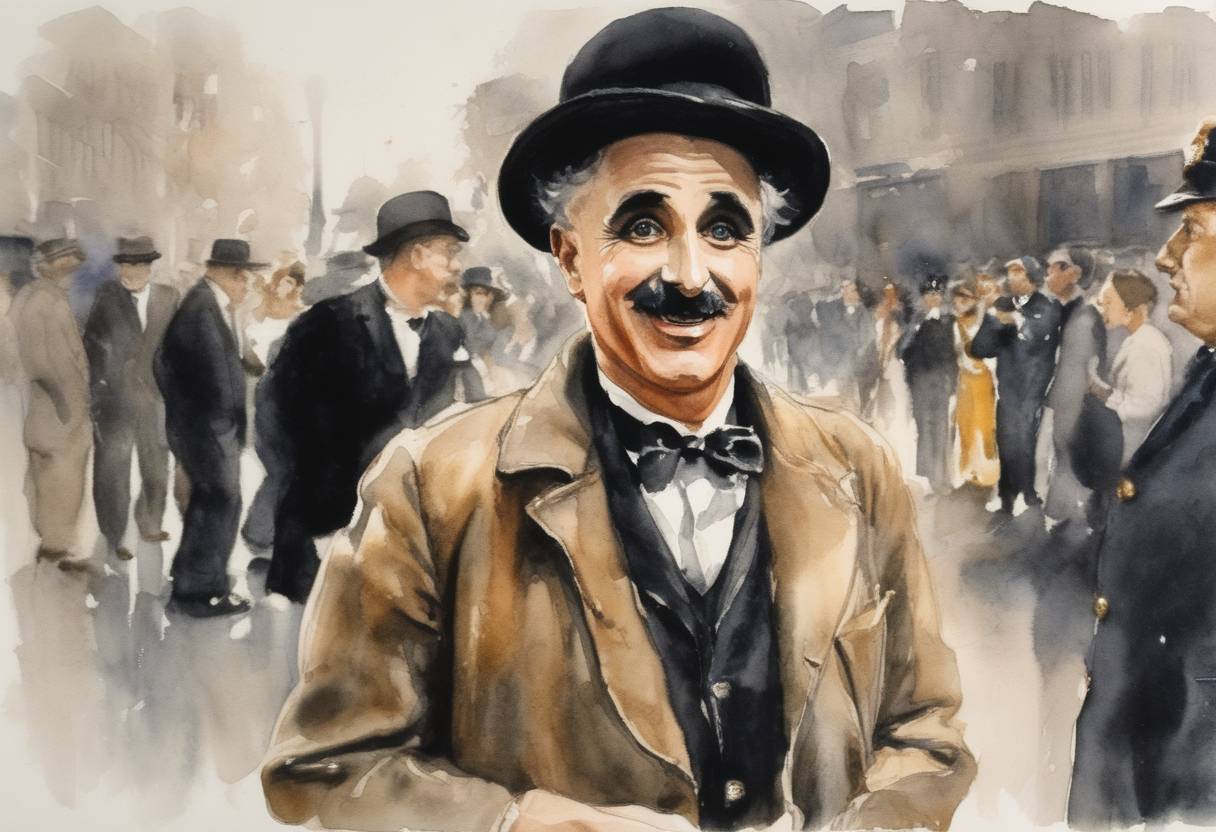
On April 2, 1972, Charlie Chaplin returned to the United States after a self-imposed exile that lasted nearly 20 years. The legendary filmmaker and actor, known for his iconic role as “The Tramp,” had left the U.S. in 1952 under a cloud of controversy, during a time when he faced accusations of communist sympathies amidst the fervor of the McCarthy era.
Charlie Chaplin was one of Hollywood’s earliest and most influential film stars. His silent films in the early 20th century made him an international icon, loved for his comedic genius and poignant storytelling. Despite his success, Chaplin was a controversial figure for his political views and personal life. In 1952, while promoting his film Limelight in London, his re-entry permit to the United States was revoked. Chaplin chose not to fight the decision and settled in Switzerland with his family, feeling disillusioned by the political climate in America.
On the 44th Academy Awards held on April 2, 1972, Chaplin made a historic return to the United States to receive a special Honorary Award from the Academy of Motion Picture Arts and Sciences. The event was held at the Dorothy Chandler Pavilion in Los Angeles, California. This award was a recognition of his unparalleled contributions to the world of cinema and his enduring legacy in the film industry.
When Chaplin appeared at the ceremony, he received a 12-minute standing ovation from the audience, one of the longest in Oscar history. This reverent reception highlighted a significant shift in public sentiment, a moment of reconciliation and acknowledgment of his artistic impact, despite the previous political tensions.
Chaplin’s return and the honor bestowed upon him were indicative of Hollywood’s attempt to mend past grievances and honor one of its pioneers. The moment symbolized not only Chaplin’s personal vindication but also the shifting cultural and political attitudes within the United States. The award reintegrated Chaplin into the fold of American cinematic history, offering him the opportunity to be celebrated not only as an expatriate living in Europe but as a cherished figure whose influence had transcended any political disputes.
Following the ceremony, Chaplin did not remain in the U.S. for long, choosing to return to his home in Switzerland. However, his brief return was a powerful moment of reconciliation, allowing him to witness the respect and admiration of both peers and the public. Chaplin continued to live in Switzerland until his death in 1977, remembered as one of the greatest figures in film history.
Source: www.britannica.com