Launch of *The People's Friend* Newspaper - April 28, 1910
1910 · London, United Kingdom
The English newspaper, The People's Friend, was first published, highlighting local and national news.
May 4, 1896
The Daily Mail, a British newspaper, was first published in London. Founded by Lord Northcliffe, it was designed to appeal to the new literate middle and lower classes, providing news coverage that was accessible and engaging, and marked a new era of modern journalism in the UK.
London, United Kingdom | The Daily Mail
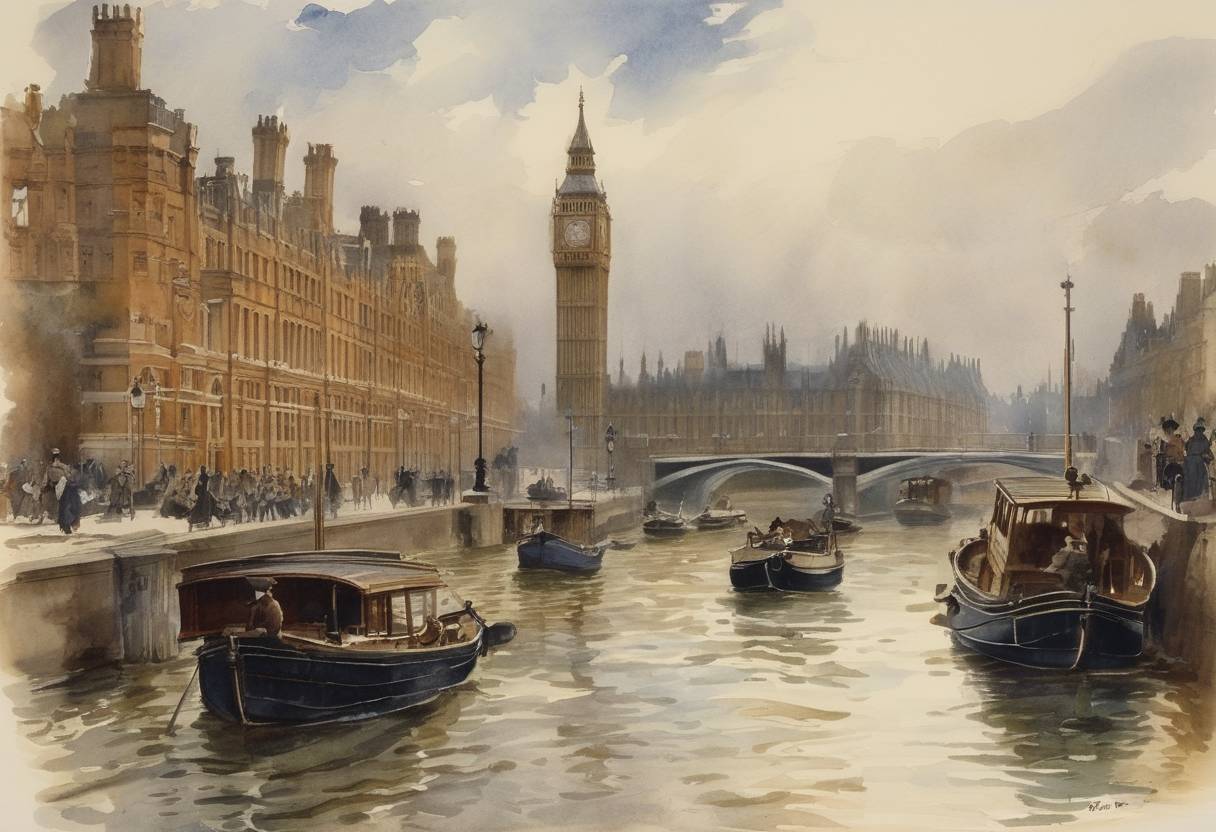
On April 5, 1896, The Daily Mail, a revolutionary British newspaper, was first published in London. Founded by Alfred Harmsworth, later known as Lord Northcliffe, the newspaper was designed to appeal to the burgeoning literate middle and lower classes brought about by the spread of education during the Victorian era.
The Daily Mail distinguished itself through its innovative approach to journalism, which focused on brevity and accessibility—a departure from the dense, text-heavy newspapers of the day. It employed a smaller, more manageable tabloid format and prioritized concise news articles and human-interest stories. This approach appealed to readers who desired quick and engaging news over lengthy commentary.
The newspaper targeted the “busy lower-middle class man,” offering easy-to-understand content that was both informative and entertaining. This focus on accessibility and broad appeal revolutionized the marketplace, meeting the needs of the growing literate population who were seeking content that resonated with their experiences and interests. The Daily Mail’s strategy resulted in immediate commercial success, with circulation reaching 500,000 copies in its first few years, making it the world’s best-selling newspaper by the turn of the century.
The success of The Daily Mail marked a crucial turning point in the history of journalism. By tapping into the preferences of a wider audience, its influence spurred the rise of mass-media publications. Its pioneering use of headlines, a rich mix of articles spanning topics from politics and society to gossip and features, set a new standard for newspapers globally.
Lord Northcliffe’s vision reshaped public expectations and set the stage for modern journalistic practices, emphasizing the need for newspapers to cater to and resonate with the masses. The Daily Mail’s legacy endures as it remains a significant player in British media and a testament to the enduring demand for appealing and accessible journalism.
Source: en.wikipedia.org