The Debut of the 50-Star Flag of the United States
1960 · Philadelphia, United States
The 50-star flag of the United States debuts in Philadelphia after Hawaii becomes the 50th state.
July 1, 1874
The Philadelphia Zoo, the first true zoo in the United States, was opened to the public.
Philadelphia, United States | Philadelphia Zoological Society
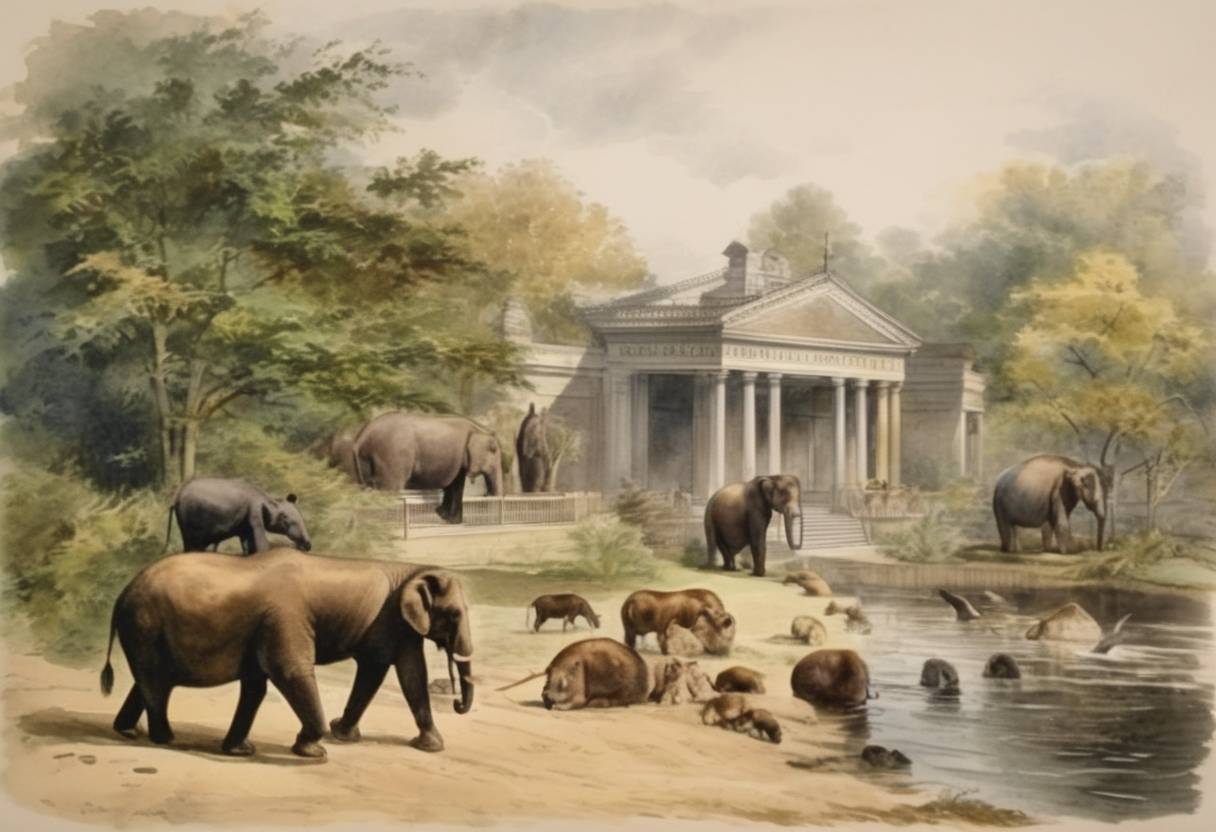
The Philadelphia Zoo, known as America’s first true zoo, officially opened its gates to the public on July 1, 1874. This momentous event marked the culmination of years of planning and aspirations to create a zoological garden in the United States that would both educate the public and provide care for diverse animal species.
The inception of the Philadelphia Zoo traces back to the era following the Centennial Exhibition of 1876 in Philadelphia, which inspired the city’s leaders to establish a place dedicated to the preservation and study of animals. However, plans for the zoo actually predate this exhibition. The Zoological Society of Philadelphia was founded in 1859 with the specific aim of creating the first zoo in the country. Unfortunately, the outbreak of the Civil War delayed these efforts significantly.
Despite these setbacks, the society persisted, and by 1872, construction began on a 42-acre site in Fairmount Park, chosen for its natural beauty and ample space. Architect Frank Furness designed many of the original structures, imbuing the park with a distinctive Victorian charm.
When it opened, the zoo featured approximately 1,000 animals and included fascinating exhibits that showcased a broad array of species, both native and exotic. Among the earliest attractions were birds, mammals, and reptiles, representing the rich diversity of animal life that the zoo aimed to conserve and educate the public about.
The Philadelphia Zoo also distinguished itself through innovations such as the use of a small steam engine train to transport visitors around the grounds, enhancing the visitor experience and accessibility of the expansive park.
The establishment of the Philadelphia Zoo on July 1, 1874, represented a significant cultural milestone, reflecting the growing interest in science, education, and conservation in the United States. It provided a model for other zoos that would later open across the country, setting standards in animal care and public engagement.
Furthermore, the zoo continues to evolve, maintaining its mission of conservation and education while adapting to contemporary standards and expectations. It remains a beloved institution in Philadelphia and a testament to the city’s historical commitment to public institutions and enrichment endeavors.
Over the years, the Philadelphia Zoo has undergone numerous expansions and renovations, continually improving its facilities and exhibits to better accommodate animals and visitors alike. It has played a crucial role in various conservation programs, both domestically and internationally, helping to raise awareness about endangered species and the importance of biodiversity.
The zoo’s opening laid the foundation for the role zoos have today as centers for conservation, education, and research rather than mere collections of animals, ensuring these institutions’ relevance and importance well into the future.
Source: www.philadelphiazoo.org