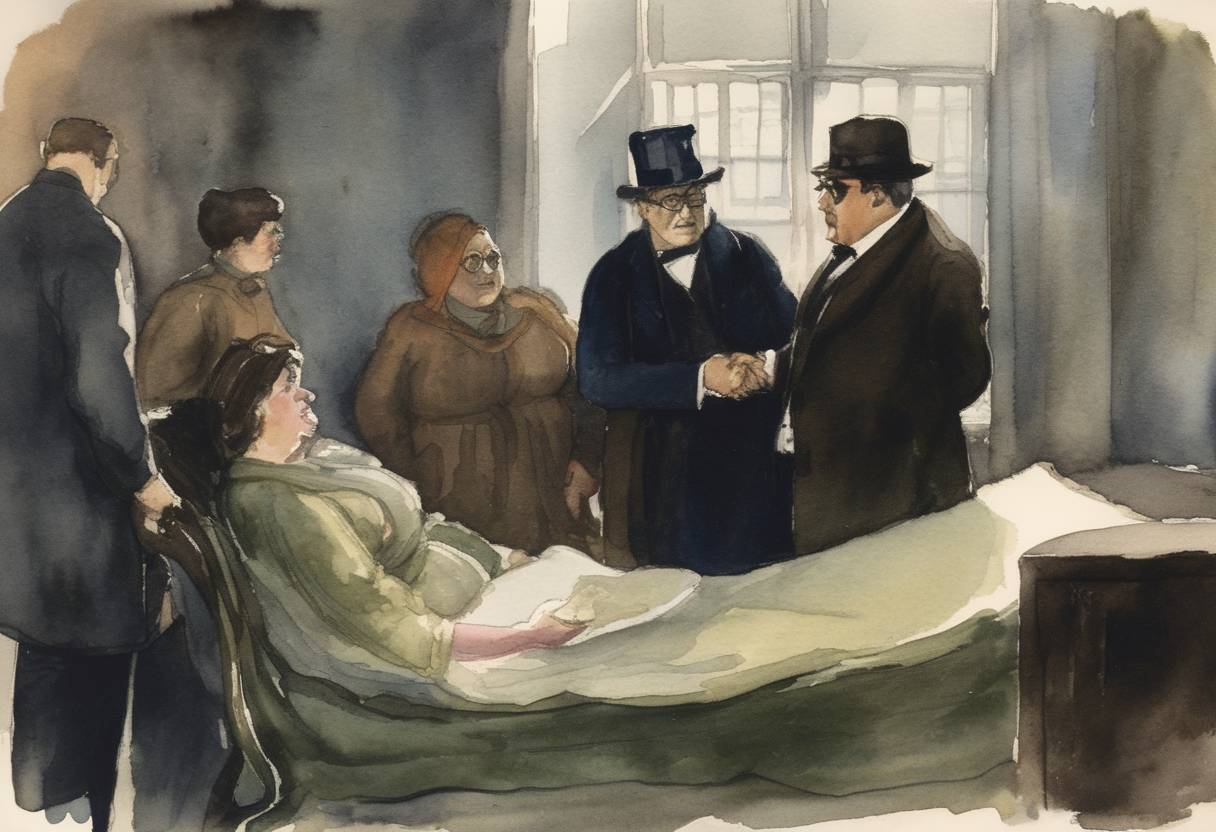
Emma Goldman Arrested for Lecturing on Birth Control
On February 11, 1916, Emma Goldman, the notable anarchist and social activist, was arrested in New York City for giving a public lecture on birth control, a topic considered highly controversial and often illegal to discuss at the time.
Context and Background
During the early 20th century, the birth control movement in the United States was gaining traction, but it faced significant legal and societal obstacles. The 1873 Comstock Act classified contraceptive information and devices as obscene materials, effectively banning their dissemination. Emma Goldman, a well-known advocate for a range of radical causes, became a vocal supporter of birth control as a means of women’s liberation and social equality.
Events Leading to the Arrest
Goldman embarked on a series of lectures across the country, frequently encountering opposition from authorities. Her lectures were designed to educate women about birth control, directly challenging the restrictions imposed by the Comstock Act. Despite knowing the risks, Goldman was determined to continue her advocacy. The event on February 11, 1916, in New York City, attracted significant attention from the police, who monitored her activities closely.
The Arrest
The lecture at the center of Goldman’s arrest was part of her broader campaign to promote what she saw as a neglected social responsibility and an essential element of women’s rights. Her speech, attended by an audience eager to hear her views, was abruptly interrupted when the police arrested her for violating the Comstock Act. The arrest underscored the contentious nature of the birth control debate and highlighted the constraints on free speech at the time.
Aftermath and Impact
Emma Goldman’s arrest drew public attention to the issue of birth control and the broader question of free speech related to women’s rights. Her subsequent trial became a focal point for activists who sought to change the restrictive laws governing reproductive rights. Although Goldman was convicted and sentenced to 15 days in prison, her actions helped to galvanize support for the birth control movement.
Goldman’s persistence in speaking out against societal and legal constraints laid some of the groundwork for future reforms. This included the eventual legalization and broader acceptance of birth control, significantly influenced by continued advocacy from prominent figures like Margaret Sanger, who would later establish the organization that became Planned Parenthood.
Historical Significance
Emma Goldman’s arrest on February 11, 1916, is a pivotal moment in the history of reproductive rights and free speech in America. It reflects the tensions between progressive social movements and conservative legal frameworks during the Progressive Era. Goldman’s commitment to her cause, despite legal and personal risk, left an enduring legacy on the fight for women’s rights and civil liberties.