Protests in Myanmar on February 8, 2021
2021 · Yangon, Myanmar
Protests erupted in Myanmar against the military coup that took place on February 1, 2021, with thousands of people taking to the streets in cities across the country.
February 5, 2021
Myanmar police filed charges against ousted leader Aung San Suu Kyi for illegally importing communications equipment, such as walkie-talkies found at her residence two days after the military coup.
Naypyidaw, Myanmar | Myanmar Police Force
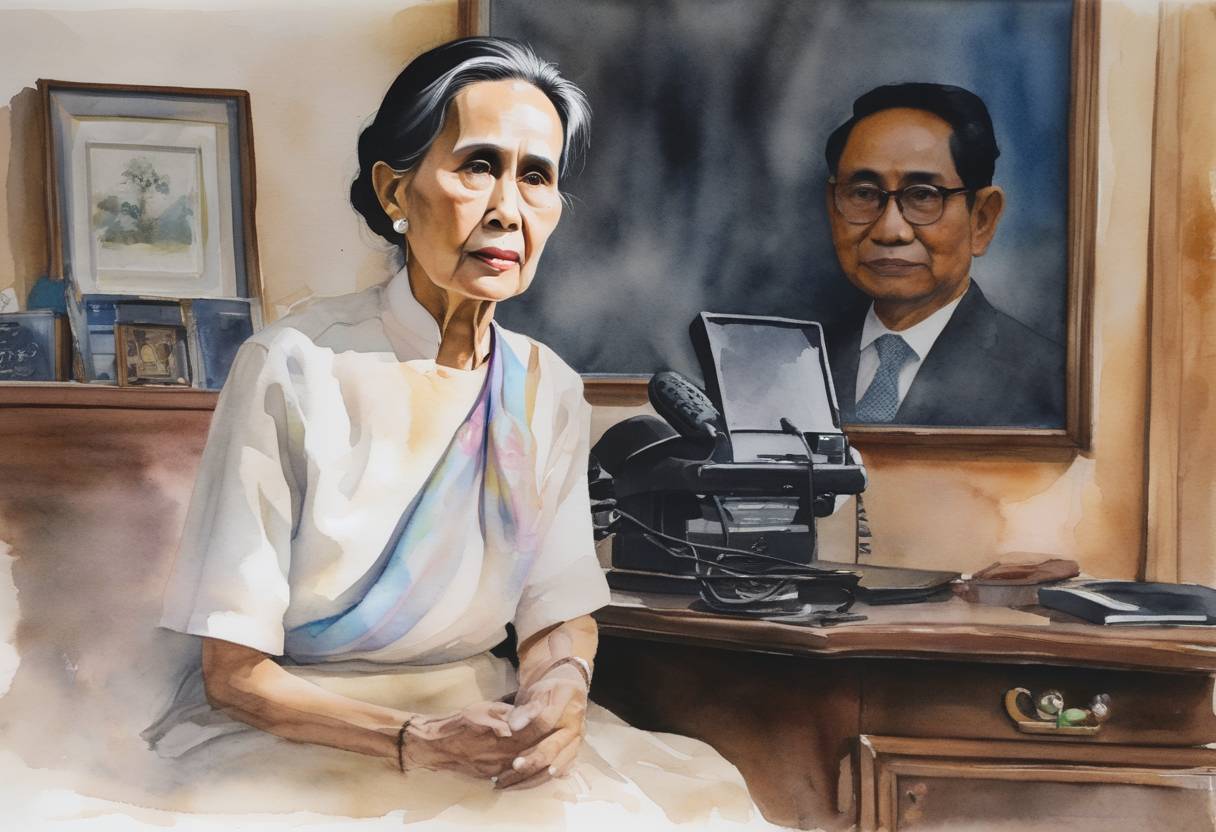
On February 5, 2021, the Myanmar police filed charges against Aung San Suu Kyi, the deposed leader and member of the National League for Democracy (NLD), following a military coup in Myanmar on February 1, 2021. She was charged under the country’s import-export laws for allegedly importing walkie-talkies and other communication equipment illegally. These devices were reportedly found during a search at her residence after the coup.
Military Coup: On February 1, 2021, the Myanmar military, known as the Tatmadaw, staged a coup and detained Aung San Suu Kyi and other prominent NLD leaders. This followed the general election in November 2020, in which the NLD achieved a landslide victory, a result the military contested, citing electoral fraud without presenting substantial evidence.
Search and Seizure: Two days after the coup, during a search of Aung San Suu Kyi’s residence, authorities reportedly discovered unlawfully imported communication devices, specifically walkie-talkies. These items became the basis of the charges filed against her.
Charge Details: The charges involved alleged violations of Myanmar’s import-export laws, a legal maneuver often seen by observers as a means to justify her detention post-coup. This initial charge set the stage for further legal actions against her.
Broader Impact: The charges against Aung San Suu Kyi intensified domestic unrest and international condemnation of the military regime. Her detention and the military’s actions sparked widespread protests and civil disobedience across Myanmar, with citizens demanding the restoration of democratic governance.
Global Reactions: The international community, including various governments and human rights organizations, condemned the coup and subsequent charges against Aung San Suu Kyi. These actions were widely regarded as politically motivated efforts to dismantle democratic institutions in Myanmar and silence opposing voices.
Ongoing Unrest: The situation significantly contributed to the political and humanitarian crisis in Myanmar, leading to continued conflict between the military regime and pro-democracy supporters.
Aung San Suu Kyi’s arrest and ongoing legal battles became a focal point in the broader struggle for democracy in Myanmar, with ramifications for both domestic governance and international diplomatic relations.
Source: www.bbc.com