Hajj Stampede in Mina, Saudi Arabia - February 1, 2004
2004 · Mina, Saudi Arabia
A hajj stampede in Mina, Saudi Arabia, resulted in the deaths of 251 pilgrims.
January 12, 2006
A stampede occurs during the annual Hajj pilgrimage in Mecca, resulting in the deaths of at least 345 Muslim pilgrims.
Mecca, Saudi Arabia | Hajj
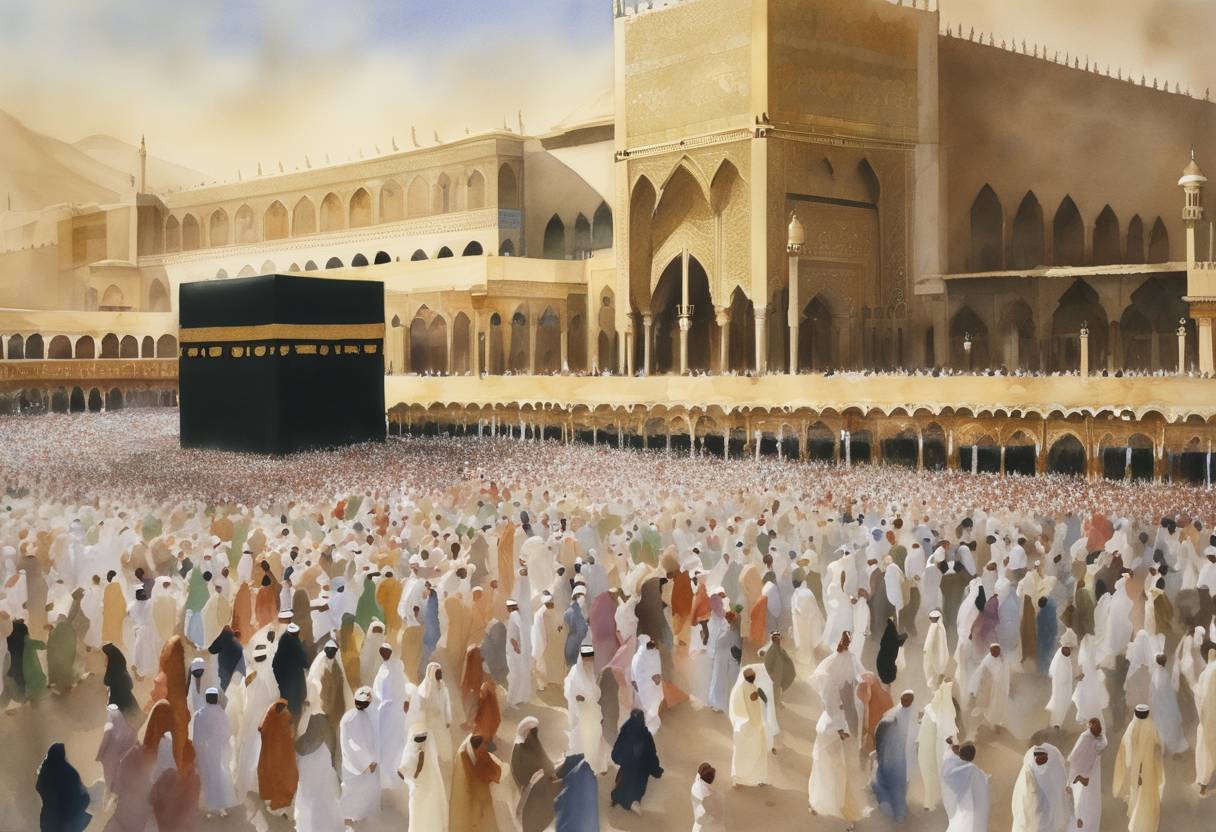
On January 12, 2006, a tragic stampede occurred during the Hajj pilgrimage in Mina, near Mecca, Saudi Arabia, resulting in the deaths of at least 345 Muslim pilgrims and injuries to hundreds more. The incident took place as pilgrims were participating in the ritual known as the “stoning of the devil,” a critical component of the Hajj pilgrimage.
The stoning ritual involves pilgrims throwing pebbles at three pillars representing the rejection of evil. Conducted over several days, this ritual often sees massive crowds surging towards the Jamarat Bridge, where the pillars are located.
On January 12, the crowd density reached critical levels. The combination of fatigue, overcrowding, and impatience among the millions of pilgrims caused a bottleneck, leading to a panic-induced stampede. The movement of such large crowds through a confined area contributed to the chaos, and many pilgrims were either trampled or suffocated in the crush.
The Saudi government swiftly deployed emergency services to the scene. Rescue operations were conducted, and the injured were transported to local medical facilities. In the aftermath, Saudi authorities faced significant criticism regarding crowd management and safety measures.
The incident prompted changes in the organization and infrastructure of the Hajj pilgrimage to prevent future occurrences. Saudi Arabia invested in expanding the Jamarat Bridge, increasing the number of exits, and establishing crowd control protocols to better manage the massive influx of pilgrims during this period.
The 2006 stampede highlighted the challenges associated with managing one of the world’s largest religious gatherings. It underscored the importance of infrastructure improvements and effective crowd management in ensuring the safety of pilgrims. The Saudi government’s subsequent enhancements to the pilgrimage infrastructure over the years have aimed at mitigating such risks, reflecting a continuous effort to safeguard the millions who participate annually in the Hajj.
The tragic event of 2006 remains a significant moment in Hajj history, reminding all of the delicate balance between tradition and modern safety needs.
Source: www.cnn.com