1829 · Rome, Papal States (now Italy)
Papal conclave elects Francesco Saverio Castiglioni as Pope Pius VIII.
March 11, 1513
Giovanni de' Medici is elected Pope Leo X.
Rome, Papal States | Catholic Church
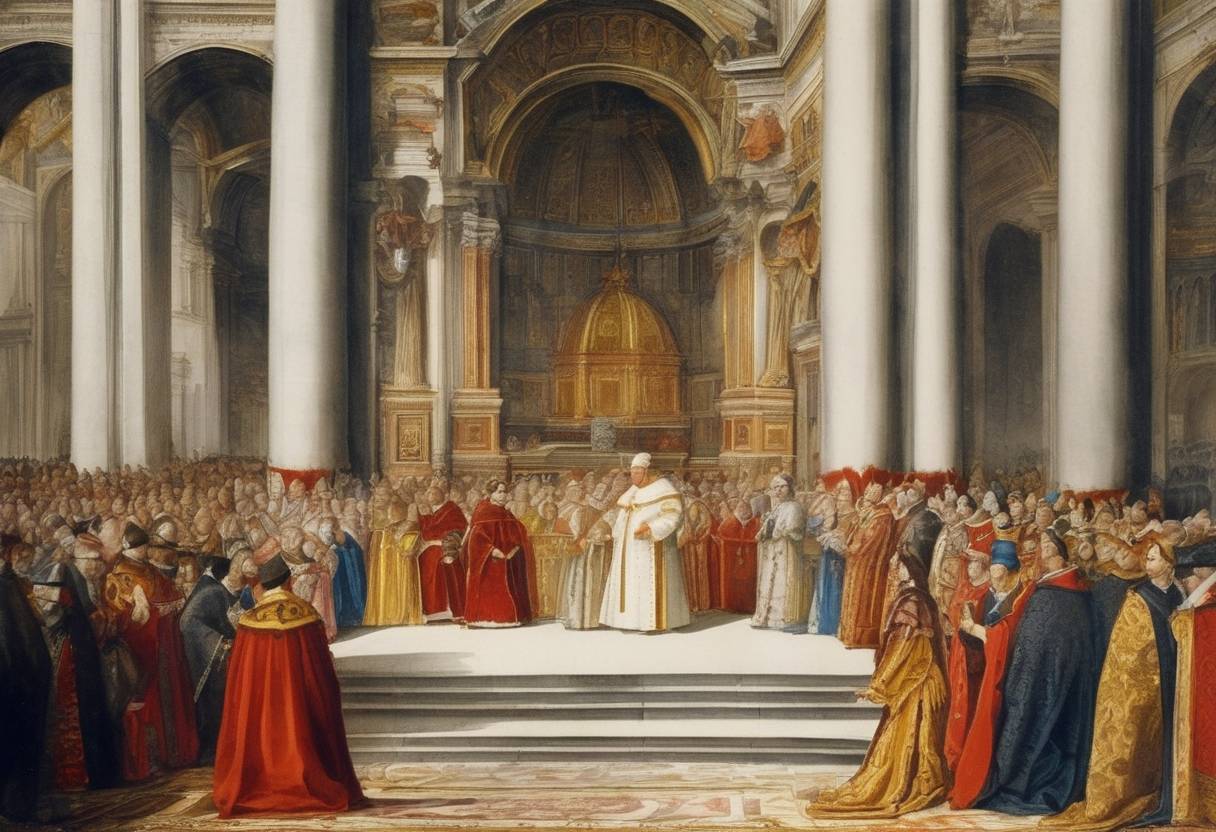
On March 11, 1513, Giovanni de’ Medici was elected as Pope Leo X, marking a significant moment in the history of the Catholic Church and the Italian Renaissance. His rise to the papacy was a pivotal event, especially considering the prominent status of the Medici family in Florence and their influence across Italy.
Giovanni de’ Medici was born on December 11, 1475, to Lorenzo de’ Medici, also known as Lorenzo the Magnificent, one of the most powerful and enthusiastic patrons of the Renaissance. The Medici family had established themselves as major bankers and political figures in Florence, and they used their wealth and power to support the arts and humanist learning.
Giovanni was the second son in the family and was destined for a religious life from an early age. He became a cardinal at the age of 13, thanks to the political maneuverings of his family. His early induction into the Church allowed him to gain significant ecclesiastical experience and influence, which would later aid in his election as pope.
The papal conclave of 1513 was necessitated by the death of Pope Julius II. The conclave began on March 4, 1513, in the Vatican. Giovanni entered the conclave as one of the favorites to succeed Julius II, largely due to his noble lineage and the support of influential cardinals who were aligned with the Medici family.
On March 11, 1513, after several days of deliberation and voting, Giovanni de’ Medici was chosen as pope. He took the name Leo X and was formally coronated on March 19, 1513.
Leo X’s papacy is characterized by its patronage of the arts and its contribution to the Renaissance culture. He continued the grand projects initiated by his predecessor, Julius II, including the construction of St. Peter’s Basilica. Leo X was a significant patron to many renowned artists, including Raphael and Michelangelo.
However, his reign also faced substantial challenges, including financial difficulties that arose partly due to the extravagant spending of the papal court. Leo X’s decision to sell indulgences as a means to replenish the Church’s finances was one of the critical issues that ignited the Protestant Reformation, led by Martin Luther.
Pope Leo X’s election is emblematic of the Medici family’s influence during the Renaissance and highlights the intersection of wealth, politics, and religion during this period. His patronage greatly enriched the cultural landscape of Italy, though his time as pope also paved the way for significant religious upheaval and reform.
Source: en.wikipedia.org