The Emergency Quota Act of 1921
1921 · Washington, D.C., United States
The United States Congress passed the Emergency Quota Act, establishing national immigration quotas.
March 4, 1845
The United States Congress passed an act allowing the residents of Iowa Territory to draft a constitution and form a state government as the first step toward becoming a state of the Union.
Washington, D.C., United States | United States Congress
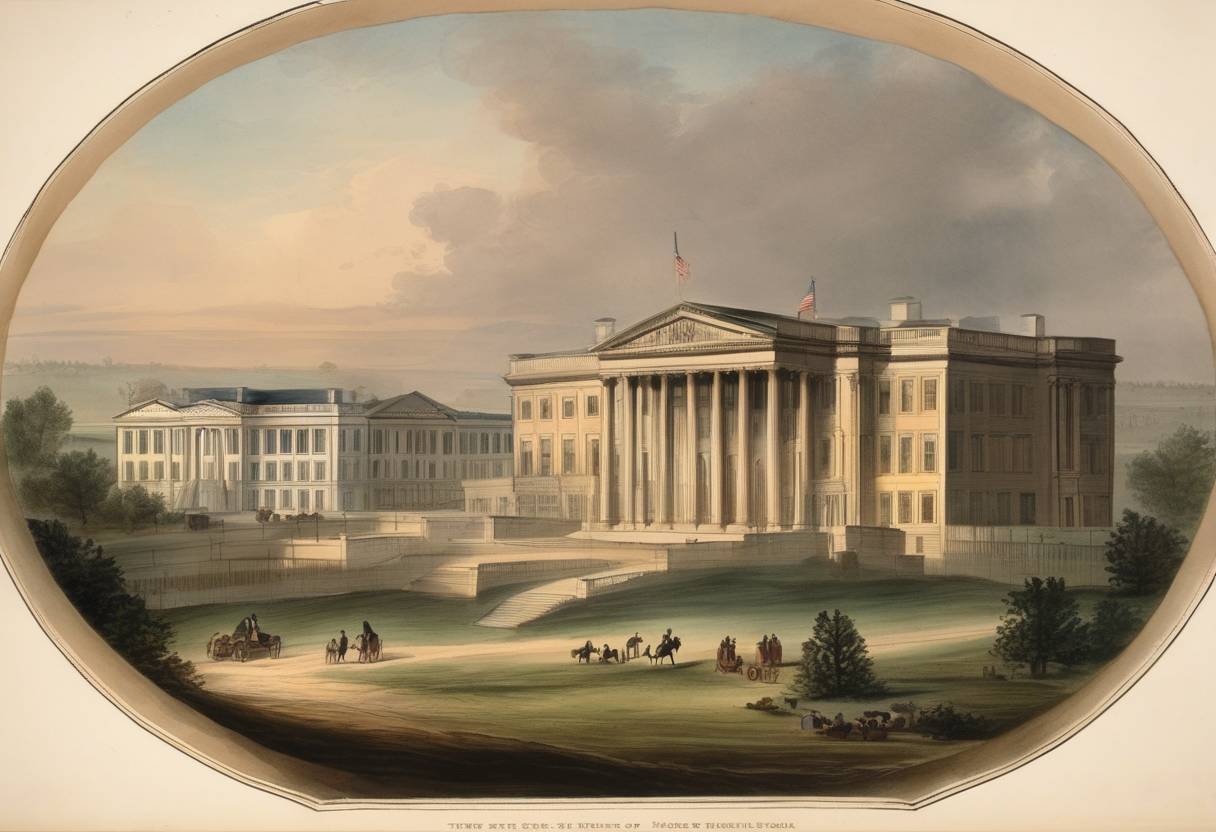
On March 4, 1845, the United States Congress passed significant legislation that set Iowa Territory on the path to statehood. This act authorized the residents of the Iowa Territory to draft a state constitution and establish a state government, serving as the inaugural step toward becoming the 29th state of the Union.
Iowa Territory: Iowa’s journey to statehood began amid broader discussions around the expansion and organization of territories acquired through treaties such as the Louisiana Purchase. Established as a separate territory in 1838, Iowa was initially part of the larger Wisconsin Territory.
Population Growth: By the early 1840s, Iowa’s population had increased sufficiently to warrant consideration for statehood. The push for statehood was driven by the promise of increased autonomy and representation in Congress.
Constitutional Convention: Delegates from the Iowa Territory were tasked with drafting a state constitution to outline the governmental framework and civil rights for its citizens.
State Government Formation: The legislation provided the legal basis for creating a state government once the constitution was ratified, ensuring alignment with the United States Constitution.
Statehood Objectives: Enabling legislation like this emphasized democratic processes within the expanding nation. Iowa’s integration as a state would contribute to the balance between slave and free states.
Federal Union Expansion: Iowa’s statehood marked a step in the territorial expansion of the United States, reflecting ongoing negotiations and decisions that were part of the nation’s growth and westward expansion in the mid-19th century.
Constitution Adoption: Following this legislative approval, Iowa convened its constitutional convention. The first draft of the Iowa state constitution was completed and eventually ratified, paving the way for statehood.
Formal Admission to the Union: Iowa officially became the 29th state of the United States on December 28, 1846, following the successful creation and ratification of its constitution.
This legislation reflects the structured process by which territories in the United States transitioned to statehood, highlighting the dynamic period of growth and the nation’s evolving democratic framework.