Alberto Fujimori Charged with Murder and Forced Disappearance
2001 · Lima, Peru
Peru's former President Alberto Fujimori is charged with murder and forced disappearance.
April 10, 2009
Peruvian ex-President Alberto Fujimori was sentenced to 25 years in prison for human rights abuses during his presidency. The verdict held him responsible for two massacres and two kidnappings carried out by security forces in the 1990s.
Lima, Peru | Peruvian Judicial System
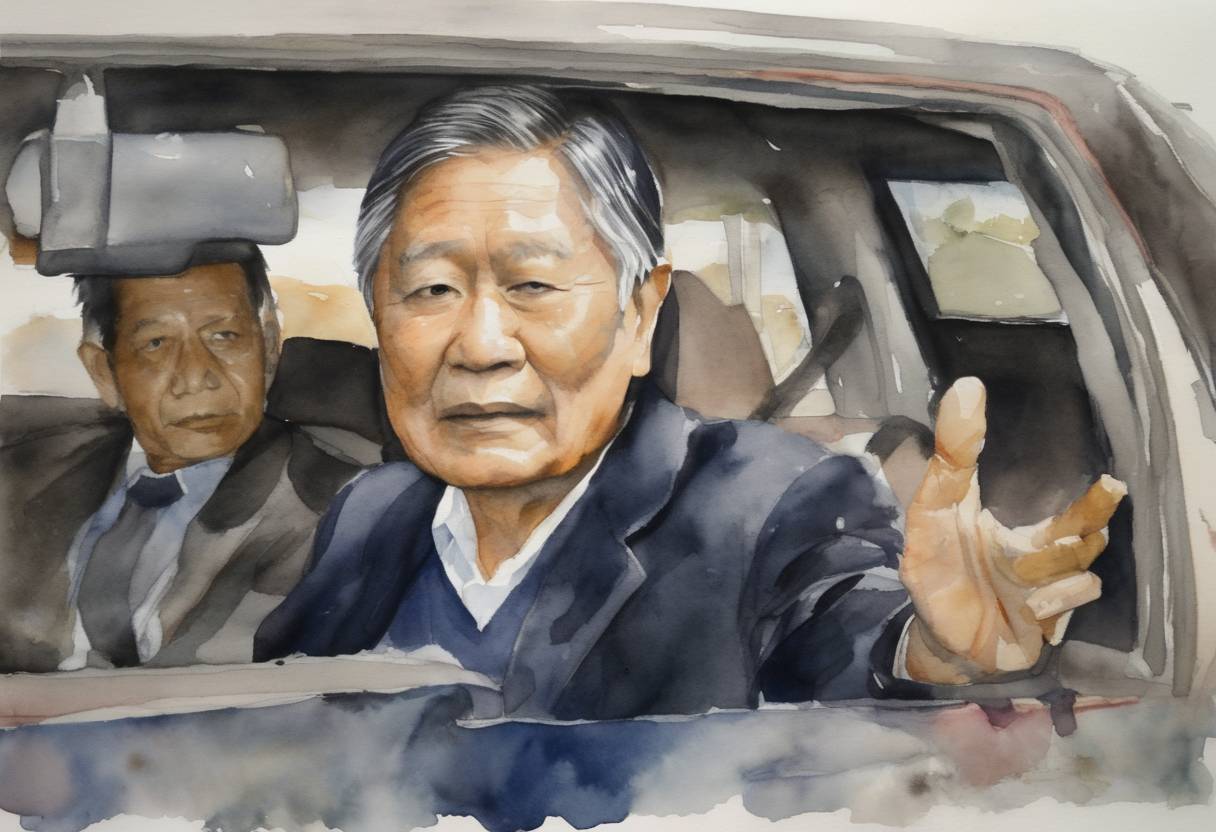
On April 10, 2009, former Peruvian President Alberto Fujimori was sentenced to 25 years in prison by a special tribunal of the Peruvian Supreme Court. The verdict was significant in holding a former democratically elected head of state accountable for human rights violations committed during his tenure.
Alberto Fujimori, president of Peru from 1990 to 2000, was a polarizing figure known for his controversial approaches to stabilizing Peru’s economy and addressing the Maoist insurgency led by the Shining Path. However, his administration was also marked by allegations of corruption and human rights abuses.
The verdict on April 10 dealt with his responsibility in two specific massacres and two kidnappings:
Barrios Altos Massacre (1991): The killings of 15 people, including an 8-year-old boy, at a neighborhood party in Lima, attributed to the Colina Group—an army death squad.
La Cantuta Massacre (1992): The abduction and murder of nine university students and a professor, again linked to government-sanctioned security forces.
Kidnappings: The abductions of journalist Gustavo Gorriti and businessman Samuel Dyer, allegedly involving intelligence officers sanctioned by the government.
The tribunal found Fujimori guilty of authorizing the Colina Group’s actions, signifying his direct responsibility in these severe human rights violations.
Fujimori’s trial and conviction were a critical moment in Peru’s history, representing accountability and justice for past state-sponsored violence. The rulings against him in 2009 followed a dramatic series of events, including his resignation from the presidency in 2000 amidst scandal and subsequent flight to Japan.
In 2005, Fujimori attempted a political comeback, arriving in Chile from Japan, where he was detained and extradited to Peru in 2007. His trial, which began in December 2007, was seen as a landmark case for upholding human rights and legal precedents for prosecuting former leaders.
Alberto Fujimori’s sentencing underscored the challenges of transitional justice in post-conflict societies. While his economic policies may have stabilized Peru, the human rights abuses committed during his regime left a lasting shadow. The trial and subsequent conviction reinforced the rule of law and emphasized the significance of human rights in governance. Despite this, Fujimori maintained a significant support base in Peru, and his legal and political legacy continues to evoke debate.
Source: en.wikipedia.org