2003 · Mombasa, Kenya
A series of coordinated terrorist attacks occurred in Mombasa, Kenya, targeting an Israeli-owned hotel and an Israeli airliner.
December 27, 1985
Palestinian guerrillas attacked airports in Rome and Vienna, killing 19 people and injuring over 100.
Rome and Vienna, Italy and Austria | Abu Nidal Organization
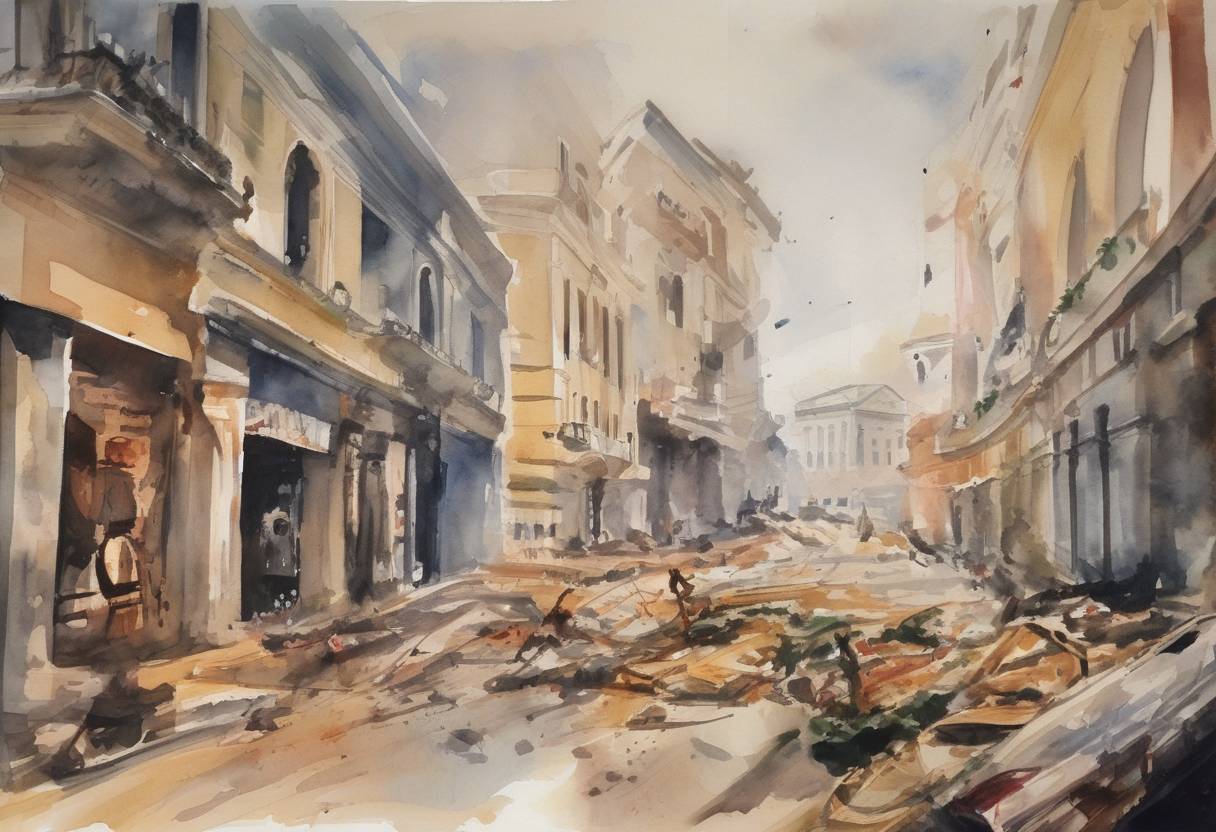
On December 27, 1985, a coordinated terrorist attack was carried out by Palestinian guerrillas at two major European airports: Leonardo da Vinci–Fiumicino Airport in Rome, Italy, and Vienna International Airport in Austria. These attacks resulted in the tragic loss of 19 lives and injuries to over 100 individuals, marking a significant moment in the history of international terrorism.
The attacks were part of a broader pattern of violence associated with the Israeli-Palestinian conflict, which had seen various militant groups resort to international terrorism to draw attention to their cause. During the 1980s, several Palestinian factions were active, with some resorting to high-profile attacks against civilian targets to further their political objectives.
The attacks were attributed to the Abu Nidal Organization (ANO), a Palestinian militant group known for its radical stance and violent tactics. The ANO was led by Abu Nidal, a notorious figure in international terrorism, who had orchestrated numerous attacks against Israeli and Western targets.
The Rome and Vienna airport attacks underscored the global reach of terrorism and the challenges of ensuring security in international travel. They also illustrated the complexities of the Israeli-Palestinian conflict and the lengths to which some factions would go to pursue their political aims. These events contributed to the ongoing discourse on counter-terrorism strategies and the balance between security and civil liberties.
The tragic loss of life and the injuries sustained in these attacks remain a somber reminder of the impact of terrorism on innocent civilians and the importance of international cooperation in combating such threats.
Source: www.nytimes.com