The March for Our Lives: March 25, 2018
2018 · Washington, D.C., United States
The March for Our Lives, a student-led demonstration in support of tighter gun control, took place in Washington, D.C., and other cities across the United States.
March 31, 2018
The 'March for Our Lives' rallies took place across the United States and around the world, organized by student survivors of the Stoneman Douglas High School shooting to advocate for gun control legislation.
Washington D.C., United States | March for Our Lives
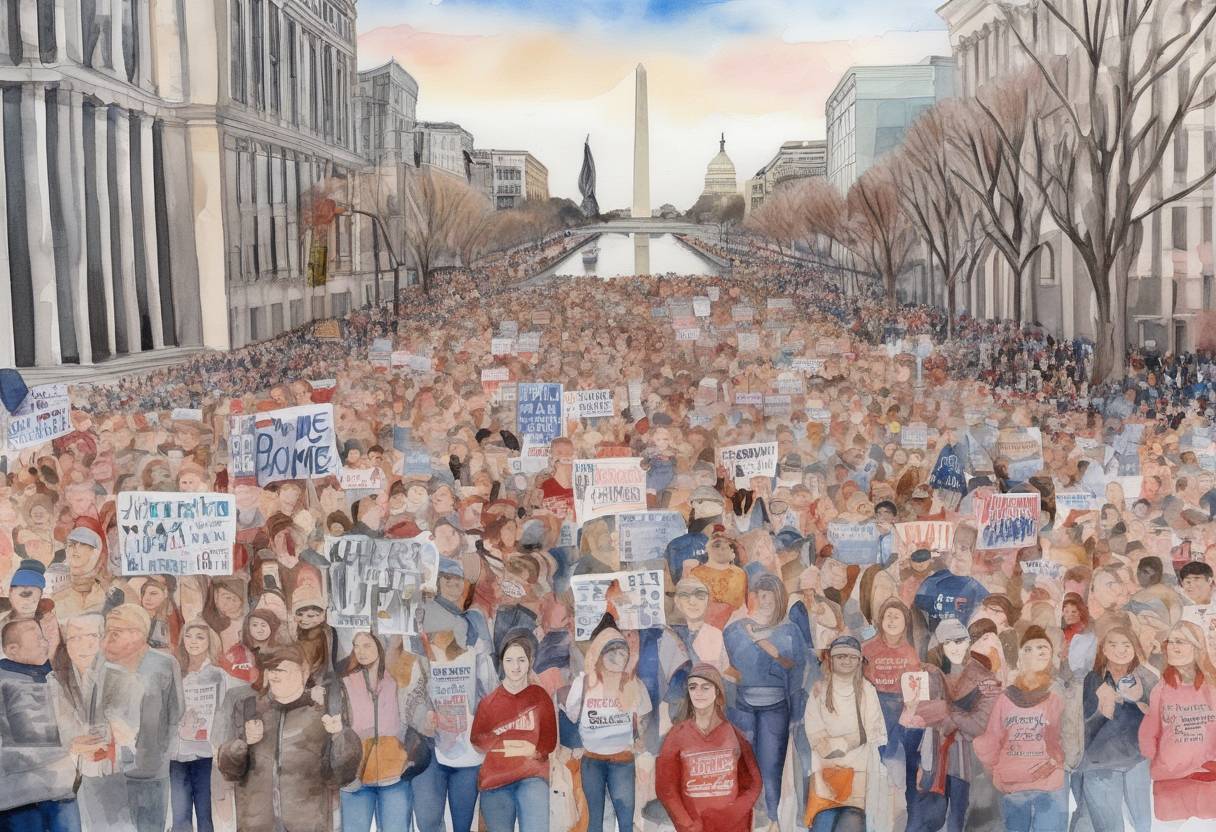
On March 31, 2018, the “March for Our Lives” rallies took place across the United States and around the world. These rallies were organized by student survivors of the tragic shooting at Marjory Stoneman Douglas High School in Parkland, Florida, which occurred on February 14, 2018. The movement aimed to advocate for stronger gun control legislation and to raise awareness about gun violence in the United States.
The catalyst for the March for Our Lives was the devastating shooting at Marjory Stoneman Douglas High School, where 17 students and staff members lost their lives. This event reignited the national debate over gun control and the safety of students in schools. Survivors of the shooting, including students like Emma González, David Hogg, and Cameron Kasky, emerged as prominent voices in the movement, using their platform to call for legislative change.
The main event took place in Washington, D.C., drawing hundreds of thousands of participants. Simultaneously, over 800 sibling marches were held in cities across the United States and around the world, including New York City, Los Angeles, London, and Tokyo. The rallies featured speeches from survivors, activists, and celebrities, all advocating for comprehensive gun reform.
The March for Our Lives movement called for several specific legislative actions, including:
The March for Our Lives had a significant impact on the national conversation about gun control. It inspired a new wave of activism, particularly among young people, and led to increased voter registration efforts. The movement also influenced some legislative changes at the state level, though comprehensive federal gun reform remains a contentious issue.
The rallies demonstrated the power of student-led activism and highlighted the urgent need for dialogue and action on gun violence in America. The movement continues to advocate for change, emphasizing the importance of civic engagement and the role of young people in shaping the future.
The March for Our Lives is part of a long history of grassroots movements in the United States advocating for social and legislative change. It underscores the enduring impact of youth activism and the potential for collective action to influence public policy and societal norms. The movement remains a testament to the resilience and determination of those affected by gun violence and their allies.
Source: www.nytimes.com