The Romanian Revolution Begins in Timișoara: December 16, 1989
1989 · Timișoara, Romania
The Romanian Revolution began in Timișoara, marking the start of the end of Nicolae Ceaușescu's communist regime in Romania.
December 22, 1989
Romanian leader Nicolae Ceaușescu was overthrown following a revolution, marking the end of communist rule in Romania.
Bucharest, Romania | Romanian Communist Party
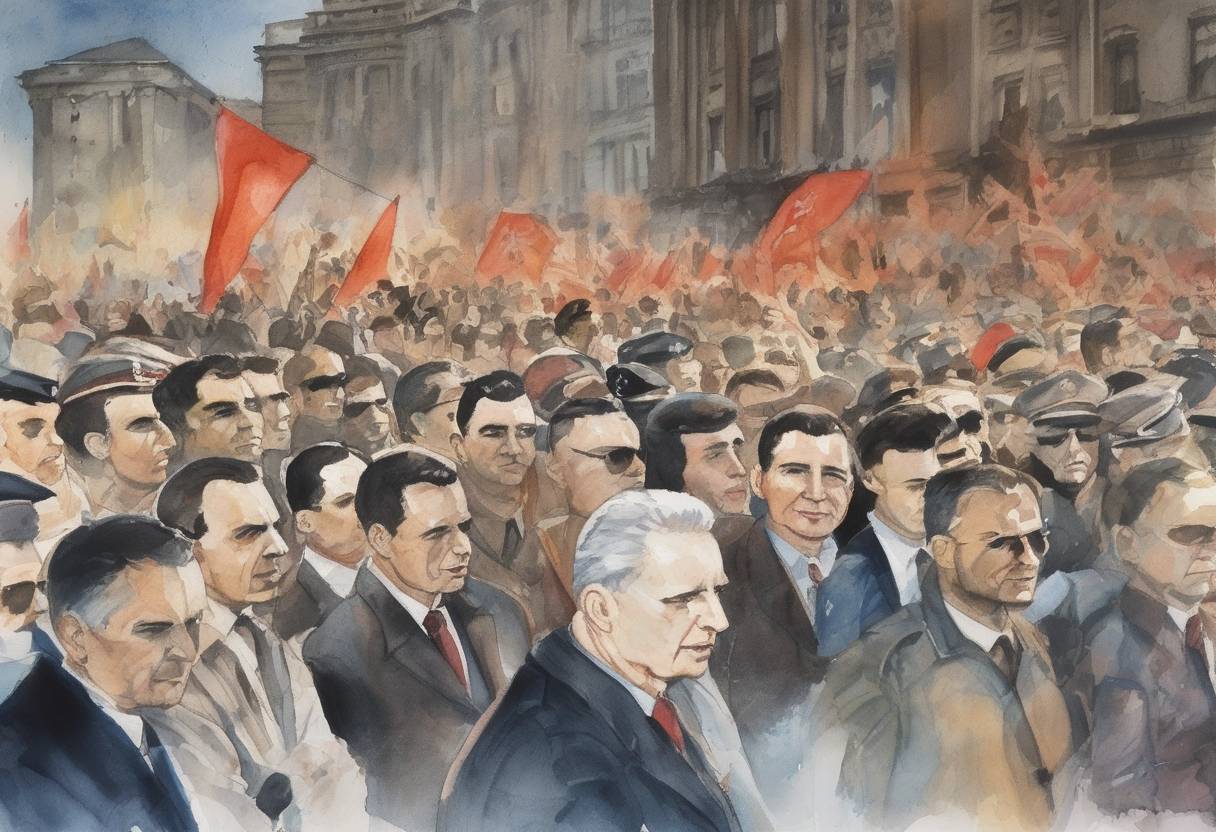
On December 22, 1989, a pivotal moment in Romanian history unfolded as Nicolae Ceaușescu, the long-standing communist leader, was overthrown following a popular revolution. This event marked the end of over four decades of communist rule in Romania and was part of the broader wave of anti-communist uprisings sweeping across Eastern Europe in 1989.
Nicolae Ceaușescu had been in power since 1965, initially gaining popularity for his independent foreign policy and resistance to Soviet influence. However, his regime became increasingly repressive and economically disastrous. By the late 1980s, Ceaușescu’s policies had led to severe shortages of food, fuel, and other basic necessities, causing widespread discontent among the Romanian populace.
The revolution began in the city of Timișoara on December 16, 1989, when protests erupted following the government’s attempt to evict a dissident Hungarian pastor, László Tőkés. The protests quickly escalated into a broader anti-government movement, with demonstrators calling for Ceaușescu’s resignation.
Despite the government’s violent crackdown, which resulted in numerous casualties, the protests spread to other cities, including Bucharest, the capital. On December 21, Ceaușescu attempted to address a mass rally in Bucharest, but the crowd turned against him, chanting anti-government slogans. This marked a significant turning point, as it was broadcast live on national television, revealing the extent of public dissent.
On December 22, Ceaușescu and his wife, Elena, fled the capital by helicopter as the revolution reached its peak. However, they were soon captured by the military, which had switched sides to support the revolutionaries. The Romanian military’s defection was crucial, as it signaled the collapse of Ceaușescu’s regime.
Following their capture, Nicolae and Elena Ceaușescu were subjected to a swift trial by a military tribunal on charges of genocide, corruption, and other crimes. They were found guilty and executed by firing squad on December 25, 1989.
The fall of Ceaușescu’s regime led to the establishment of a provisional government, the National Salvation Front, which promised democratic reforms and free elections. Romania’s transition from a communist state to a democratic society was fraught with challenges, but the revolution of December 1989 remains a defining moment in the country’s history.
The overthrow of Ceaușescu was part of the larger collapse of communist regimes in Eastern Europe, symbolizing the end of the Cold War era. It highlighted the power of popular movements in dismantling authoritarian regimes and paved the way for Romania’s integration into European and global institutions, including its eventual membership in the European Union and NATO.
The events of December 22, 1989, are commemorated annually in Romania, serving as a reminder of the struggle for freedom and the resilience of the Romanian people.
Source: en.wikipedia.org